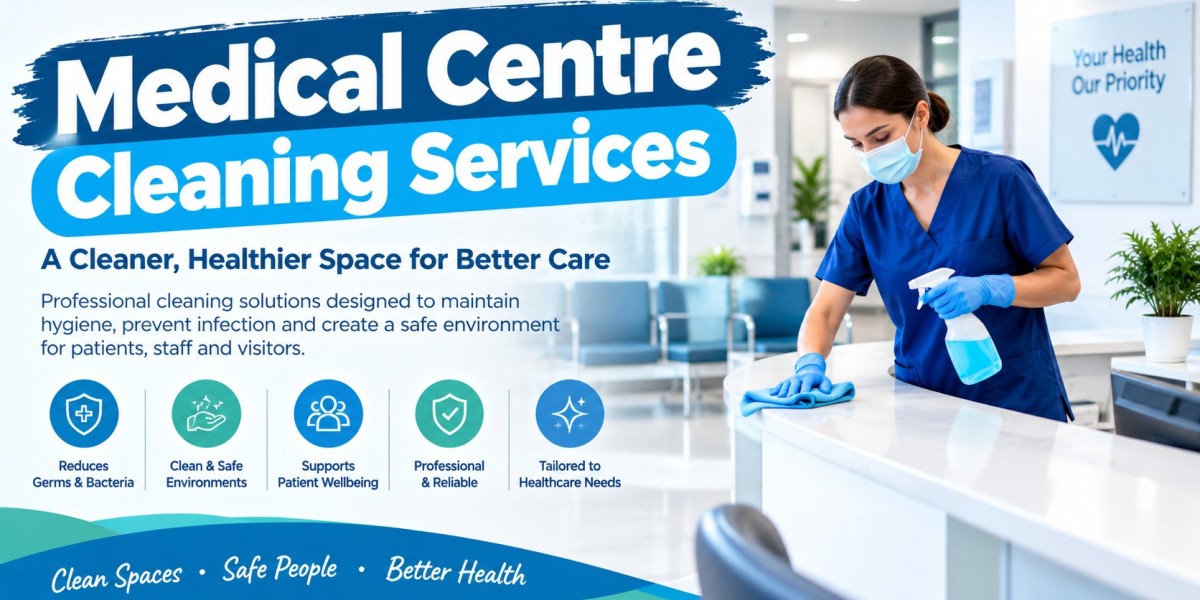

Medical Center Cleaning Services for a Safe and Hygienic Healthcare Environment
Walk into any medical center and you form an impression within seconds. A tidy reception, fresh-smelling washrooms and spotless floors tell patients they are in capable hands. Behind that first impression sits a lot of careful work, and that is where Medical Center Cleaning Services plays an important role. A clean environment supports patient comfort, protects staff wellbeing and backs up the everyday hygiene habits of the whole team.
From waiting rooms and consultation rooms to treatment spaces and staff areas, every part of a clinic needs regular, thoughtful attention. This guide explains what good cleaning looks like in a healthcare setting, what to look for in a provider, and how to maintain high standards from day to day.
Why Cleanliness Is Important in Medical Centers
Medical centers are busy places. Patients with all kinds of health concerns, along with staff and visitors, move through the same spaces every day. Shared surfaces such as door handles, chair arms and reception counters are touched again and again, which makes consistent cleaning essential.
Good cleaning reduces contamination risks, keeps surfaces hygienic and shows patients that their wellbeing matters. It also gives healthcare workers a more comfortable place to do their jobs.
Supporting Infection Prevention
Cleaning and disinfection help reduce the spread of harmful microorganisms on surfaces. It is worth remembering that cleaning is only one part of a wider infection prevention programme. Hand hygiene, appropriate use of disinfectants and clinical protocols all work together. No cleaning routine can promise to eliminate infection risk, but a well-run one makes a real contribution.
Creating a Comfortable Patient Environment
Patients are often anxious, unwell or in pain. Clean floors, sanitised high-touch surfaces, tidy waiting rooms and fresh consultation spaces help them feel more at ease. Small details, like a clean washroom or a wiped-down counter, can shape how someone feels about the entire visit.
Maintaining a Professional Healthcare Facility
Organised cleaning routines also support a professional appearance. When a facility is consistently well kept, it is easier to maintain appropriate hygiene standards and to show visitors and staff that quality matters at every level.
What Do Medical Centre Cleaning Services Include
The exact scope depends on the facility’s needs, risk level, cleaning schedule and the healthcare guidelines that apply. A small general practice will have different requirements from a large multi-room centre. Even so, most programmes cover the following areas.
Reception and Waiting Area Cleaning
This is the first space patients see, and it is also one of the busiest. Cleaning here covers reception desks, chairs, door handles, counters, floors and any other frequently touched surfaces. Magazines, toys and shared items need attention too, or should be removed altogether.
Consultation Room Cleaning
Examination rooms need careful cleaning of surfaces, furniture, sinks, floors and the exteriors of frequently touched equipment. Cleaning staff should follow approved procedures and avoid moving or adjusting clinical equipment unless they have been trained to do so.
Treatment Room Cleaning
Treatment spaces require suitable cleaning and disinfection between patients and after procedures. These tasks should follow the facility’s own infection prevention protocols, because the right approach depends on the type of treatment carried out.
Washroom and Sanitary Area Cleaning
Toilets, washbasins, taps, door handles and other high-touch surfaces need frequent attention. Restocking soap, paper towels and other hygiene supplies is just as important, since hand hygiene depends on those items being available.
Floor and General Surface Cleaning
Different surfaces need different methods. Vinyl, sealed timber and carpet all respond best to specific products and equipment. Using the wrong product can damage a surface or leave it harder to keep clean in the long run.
Important Cleaning Practices for Medical Facilities
Cleaning a medical centre is not the same as cleaning an ordinary office. Offices are mostly cleaned for appearance. Healthcare spaces also need to be cleaned with hygiene in mind. That calls for documented procedures, suitable products, the right equipment, staff training and careful handling of cleaning materials.
Cleaning and Disinfection Procedures
Cleaning and disinfection are two different steps. Cleaning removes visible dirt and soil, while disinfection reduces the number of germs left on a surface. Disinfectant works best on a surface that has already been cleaned, and it should always be used according to the product instructions and the facility’s protocols.
High-Touch Surface Management
Door handles, light switches, reception counters, chair arms and shared touchpoints deserve extra attention. These areas are handled by many people each day, so they should be cleaned more often than low-contact surfaces such as walls or window ledges.
Safe Use of Cleaning Products
Product labels matter. Staff should use the correct dilution where applicable, allow the required contact time and never mix incompatible chemicals. Following these basics protects both the people doing the cleaning and everyone who uses the space.
Appropriate Cleaning Equipment
Suitable equipment helps prevent cross-contamination between areas. Many facilities use colour-coded cloths, mops and buckets so that tools used in a washroom are never used in a consultation room. Correct handling, laundering and storage of this equipment matter just as much as the equipment itself.
Benefits of Professional Medical Centre Cleaning Services
Many healthcare facilities choose to work with a professional provider. Doing so can bring structure to a task that is easy to overlook when clinical work takes priority.
Consistent Cleaning Standards
Documented cleaning schedules, task checklists, regular inspections and clear staff responsibilities all help keep standards steady. Instead of depending on who happens to be free, the facility has a clear plan that is followed every time.
Support for Healthcare Staff
Doctors, nurses and practice managers have plenty to do already. When environmental cleaning is handled by a dedicated team, clinical staff can concentrate on patient care, knowing cleaning tasks are being managed properly.
Improved Hygiene Management
Planned routines help keep surfaces cleaner and support the broader infection prevention procedures already in place. Regular schedules also make it easier to spot problems early, such as worn flooring or areas that are hard to keep clean.
Flexible Cleaning Schedules
Cleaning can be arranged around opening hours, patient appointments and treatment schedules. Some facilities prefer after-hours cleaning, while others need light daytime attention to high-touch areas. A good schedule fits the way the clinic actually runs.
How to Choose a Medical Centre Cleaning Provider
Choosing the right provider is an important decision for any practice manager or healthcare administrator. A few key factors can make the choice easier.
Healthcare Cleaning Experience
Look for a provider with real experience in medical environments. They should understand healthcare hygiene requirements and be able to explain how their methods differ from general commercial cleaning.
Staff Training and Safety Procedures
Cleaning staff should be trained in hygiene procedures, personal protective equipment, safe chemical handling and contamination prevention. Ask how training is delivered and how often it is refreshed.
Customized Cleaning Plans
No two facilities are the same. A good plan reflects the size of the building, the services provided, patient traffic and the risk level of each area. Be cautious of any provider offering a one-size-fits-all approach.
Quality Checks and Communication
Look for documented tasks, inspection procedures and clear reporting. Just as important is prompt communication when a concern comes up. Reliable providers make it easy to raise an issue and see it resolved.
Common Medical Center Cleaning Challenges
Even well-run clinics face practical hurdles. High patient traffic means surfaces get dirty quickly. Frequent contact with shared items increases the number of areas that need attention. Appointments are often back to back, leaving very little time to clean between patients. Sensitive equipment can also limit what products and methods are safe to use, and cleaning must often happen while the center is open.
Clear procedures, suitable staffing and planned schedules go a long way towards solving these problems. For example, a simple checklist for quick surface wipe-downs between appointments, combined with a more thorough clean after hours, helps balance speed and thoroughness.
Best Practices for Maintaining Medical Center Hygiene
Whether you manage cleaning in-house or through a provider, a few habits make a lasting difference:
- Keep a written cleaning schedule and make sure it is followed.
- Prioritize high-touch surfaces throughout the day.
- Support hand hygiene by keeping sinks, soap and sanitizer stocked.
- Separate cleaning equipment between areas where required.
- Review cleaning procedures regularly and update them when needed.
Keep in mind that clinical areas and higher-risk environments may need specialized protocols based on applicable healthcare guidelines. When in doubt, check the requirements that apply to your type of practice and seek advice from your infection prevention lead or relevant health authority.
Conclusion
A clean medical center does more than look good. It supports patient confidence, protects staff and strengthens the wider infection prevention efforts of the practice. Appropriate cleaning procedures, trained personnel, suitable products and regular quality checks all contribute to a safer and more comfortable healthcare environment.
Dependable Medical Center Cleaning Services can help make that happen by bringing structure, consistency and healthcare-specific knowledge to the task. If you manage a healthcare facility, take time to build a cleaning program that suits your clinical activities, hygiene requirements and the standards that apply to you. Reviewing it regularly will help keep your center clean, welcoming and ready for every patient who walks through the door.









