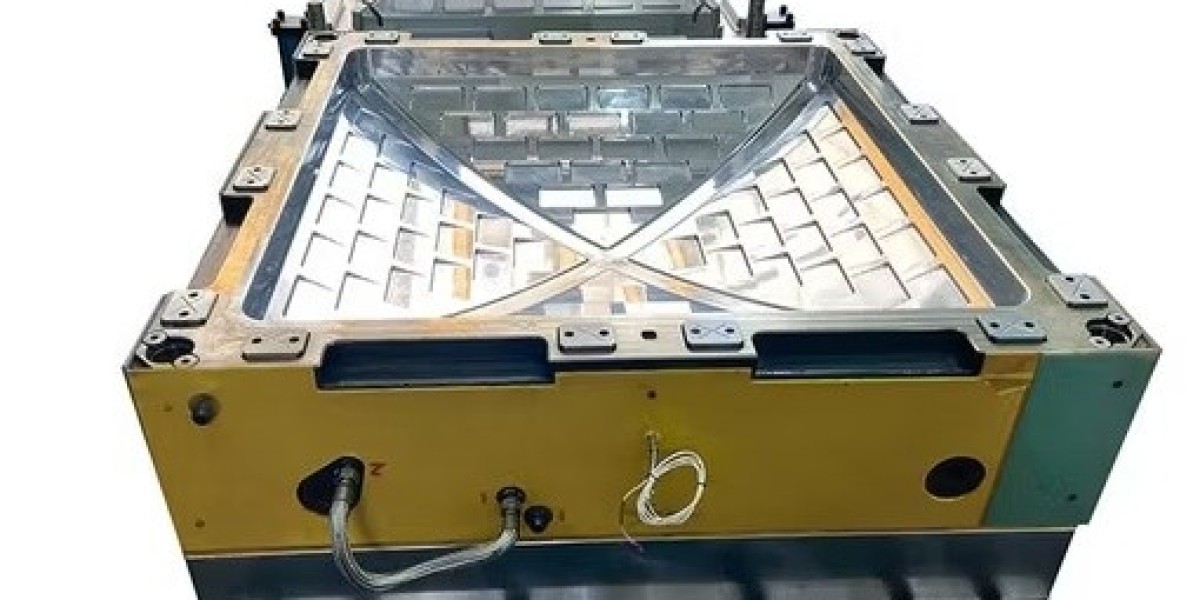

BMC Mould purchasing should begin with a clear understanding of the component, its intended application, and the conditions under which it will be manufactured. For procurement teams, the decision involves more than comparing quotations. Design readiness, equipment compatibility, production targets, inspection methods, and future servicing all deserve attention before an order is confirmed. A structured evaluation helps buyers communicate expectations and gives the manufacturer a practical foundation for planning the project.
Confirm the Product Design Is Ready
Before requesting a quotation, prepare the latest engineering drawings and three-dimensional CAD files when available. Include overall dimensions, wall thicknesses, mounting features, ribs, openings, inserts, and other details that may affect tool construction.
Buyers should also identify the dimensions that influence assembly, sealing, electrical insulation, or mechanical performance. These features may require specific tolerances or additional inspection. If the design is still being developed, clarify which details are fixed and which remain open to engineering discussion.
Drawing revisions should be recorded clearly. Sending outdated files or conflicting specifications can create misunderstandings during design review and manufacturing. A shared document list helps both parties work from the same technical information.
Match the Tool Structure to the Material
Bulk molding compound contains a thermosetting resin system and reinforcing or filler materials. Its processing behavior depends on the formulation, so the material grade and supplier data should be available during the engineering review.
Discuss the intended molding method, curing conditions, charge preparation, and expected part geometry with the manufacturer. Features such as deep cavities, narrow sections, ribs, and embedded inserts may influence material distribution and the way air leaves the cavity.
Rather than assuming that a standard layout will suit every application, ask the engineering team to explain the proposed cavity arrangement, parting line, venting positions, and demolding approach. These decisions should reflect the actual component and its manufacturing conditions.
Check Compatibility With Production Equipment
A tool must fit the machine that will operate it. Before approving the design, provide the press model, working area, platen dimensions, clamping capacity, heating arrangement, and relevant installation requirements.
Also discuss how the tool will be installed, opened, cleaned, and removed for maintenance. If automated loading or part removal is planned, describe the available space and interface requirements early in the project.
Equipment information helps the manufacturer assess practical restrictions before machining begins. It can also clarify whether changes to the tool layout or auxiliary equipment need to be included in the quotation.
Define Inspection Criteria Before Manufacturing
Quality expectations should be documented rather than left to interpretation after the tool is completed. Buyers can identify critical dimensions, surface appearance, flash limits, insert positions, and any functional checks required for the molded component.
Ask what inspection records will be supplied and how dimensional results will be reported. For projects with special requirements, agree on measuring methods and acceptance limits before production starts.
It is also useful to distinguish between inspection of the physical tool and evaluation of the parts it produces. Both provide relevant information, but they answer different questions about project readiness.
Ask for a Practical Trial Plan
Trial molding provides an opportunity to assess how the tool performs under agreed operating conditions. Before ordering, confirm whether sampling is included, how many samples are planned, and which process details will be recorded.
During evaluation, buyers may review filling behavior, surface appearance, dimensions, flash, release from the cavity, and consistency across samples. If an issue appears, both parties should document the observation and agree on the next adjustment.
A clear trial plan also identifies who approves the samples and what happens if the results do not meet the agreed criteria. This makes project decisions easier to track and reduces uncertainty before regular production.
Compare Quotations by Scope
Two quotations may cover different items even when their totals appear similar. Check whether the stated price includes design work, tool steel, machining, heating components, surface treatment, trial molding, inspection documents, packaging, and transport.
Clarify which items are optional and which may create additional charges. Buyers should also confirm the payment schedule, estimated production timeline, responsibilities for design changes, and arrangements for replacement components.
This review gives procurement teams a clearer basis for comparing proposals. It also helps prevent disagreements caused by assumptions about what the supplier is expected to deliver.
Consider Maintenance and Project Support
Routine cleaning, wear inspection, and component replacement can affect production planning over the working life of a tool. Ask how accessible the maintenance areas will be and whether replaceable inserts or spare components are appropriate for the design.
Communication arrangements matter as well. Buyers should know who will handle engineering questions, approve drawing revisions, share progress updates, and coordinate technical issues during sampling.At compositemould, project discussions can start with the product drawings, material information, equipment specifications, expected output, and inspection requirements. Preparing these details helps both sides discuss the proposed tooling structure and manufacturing scope with greater clarity. If you are planning a new industrial component or reviewing options for a custom tooling project, visit https://www.compositemould.com/product/ to review available product information and share your project requirements with the manufacturer.