
Introduction
Australia offers a wonderful mix of beautiful beaches, vibrant cities, scenic road trips, wildlife experiences, and outdoor adventures. Whether you are planning a family holiday, a relaxing coastal escape, or an exciting city break, thoughtful preparation can help you make the most of your time.
For families travelling with babies and young children, planning also means considering suitable transport, accommodation, daily activities, and essential supplies. By organising the important details in advance while leaving room for spontaneous experiences, you can create a memorable Australian holiday for everyone.
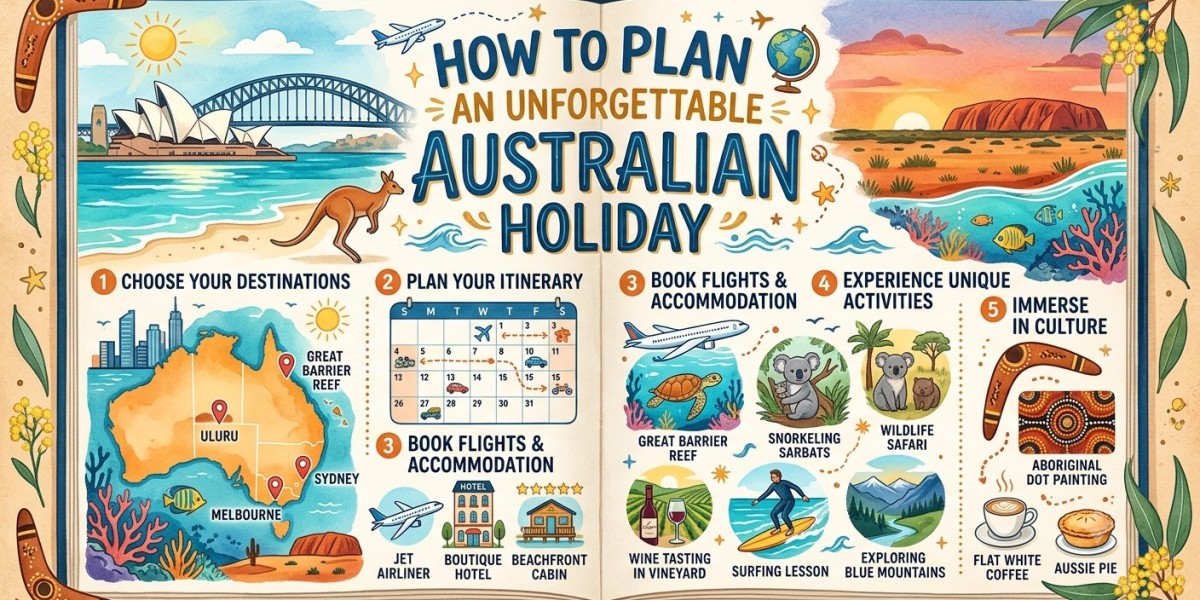
1. Choose the Right Destinations for Your Holiday
Australia is a large country with a wide variety of landscapes and experiences. Choosing destinations that match your interests, available time, and travel style is an important first step.
Explore Melbourne
Melbourne is known for its cultural attractions, cafés, shopping areas, parks, and sporting events. Families can explore the Royal Botanic Gardens Victoria, discover museums, and enjoy walks along the Yarra River.
The city also provides a convenient starting point for exploring nearby destinations, including coastal areas and scenic countryside.
Discover Sydney
Sydney offers famous harbour views, beautiful beaches, and family-friendly attractions. Visitors can explore the waterfront, enjoy coastal walks, or spend time discovering the city's neighbourhoods.
Enjoy Australia's Natural Beauty
Depending on your itinerary, you might consider exploring the Great Ocean Road, visiting national parks, or discovering Australia's distinctive wildlife. Research travel times and seasonal conditions before choosing outdoor activities.
Rather than trying to visit too many destinations, select places that allow you to enjoy each experience without rushing.
2. Plan Your Travel Schedule in Advance
A well-organised itinerary helps you manage transport, accommodation, sightseeing, and meal breaks. Start by deciding how long you want to spend in each destination and how you will travel between locations.
If you are travelling with children, avoid filling every day with activities. Allow enough time for rest, meals, and unexpected changes to your schedule.
Keep important information, such as accommodation details, flight confirmations, and transport bookings, easily accessible. Having these details organised can make travel days less stressful.
3. Arrange Airport Transfers Before Arrival
Airport transportation is an important part of a smooth holiday, especially when travelling with babies or young children.
If Melbourne is your first destination, consider arranging your airport transfer before departure. Families travelling with infants may want to look into Cabs With Baby Seat Melbourne Airport to help organise a journey from the airport to their hotel, accommodation, or another destination.
Before confirming a booking, check the following details:
Whether a suitable baby seat or child restraint is available.
Whether the restraint is appropriate for your child's age and size.
How many passengers and suitcases the vehicle can accommodate.
Where the driver will meet you at the airport.
What happens if your flight is delayed or your arrival time changes.
Advance planning can help you understand the available arrangements before arriving in an unfamiliar city.
4. Select Accommodation That Suits Your Family
Your accommodation can have a significant impact on the overall holiday experience. Consider the location, available facilities, transport connections, and distance from the attractions you plan to visit.
Families with young children may appreciate accommodation with convenient access to supermarkets, parks, restaurants, and public transport.
Before booking, review the property's facilities and policies. If you need a cot, kitchen facilities, laundry access, or additional space, confirm availability directly with the accommodation provider.
Choosing a practical location can also reduce the time spent travelling between activities.
5. Pack According to Your Destination and Activities
Packing thoughtfully can help you avoid unnecessary purchases and make daily travel more convenient.
Consider preparing a checklist that includes:
Weather-appropriate clothing and comfortable walking shoes.
Passports, identification, and travel documents.
Sunscreen, hats, and other sun protection.
Reusable water bottles.
Necessary medications and personal care items.
Chargers, power adapters, and electronic essentials.
Baby supplies, nappies, wipes, and spare clothes when travelling with young children.
Check the expected weather for your destinations before packing. Australia's conditions can vary considerably between regions and seasons, so a little research can help you prepare appropriately.
6. Create a Flexible Budget
Planning your holiday budget helps you understand the likely costs of accommodation, transport, meals, activities, and other essentials.
Research current rates before making bookings, and leave some room in your budget for unexpected expenses. Transport costs can vary depending on the destination, travel time, service provider, and type of journey.
You can also balance paid attractions with free experiences, such as exploring public gardens, visiting beaches, discovering local neighbourhoods, and enjoying scenic walks.
A flexible budget gives you more control over your plans without making every holiday activity feel restricted.
7. Explore Local Food and Culture
An unforgettable holiday is about more than visiting famous landmarks. Exploring local food, neighbourhoods, markets, and cultural experiences can help you appreciate each destination more deeply.
Melbourne, for example, has a diverse food scene with cafés, restaurants, and markets offering a variety of cuisines. Sydney and other Australian cities also provide opportunities to experience local communities and regional food traditions.
When travelling with children, consider meal timings and available food options in advance. Families with specific dietary requirements should check restaurant menus and communicate their needs before ordering.
8. Choose Family-Friendly Activities
Travelling with children can make an Australian holiday especially rewarding when activities are suitable for their ages and interests.
Consider visiting parks, aquariums, museums, wildlife attractions, beaches, and open spaces where children can explore at a comfortable pace.
Before visiting an attraction, check its current opening hours, age suitability, accessibility, and booking requirements. Weather conditions and seasonal schedules may affect outdoor activities.
Try to balance sightseeing with downtime. A relaxed afternoon can sometimes be just as enjoyable as a busy day filled with attractions.
9. Prepare for Weather and Travel Changes
Australian weather can vary by region and season. A sunny day in one destination does not necessarily mean similar conditions elsewhere.
Check local forecasts before outdoor activities and carry suitable clothing for changing conditions. During hot weather, plan breaks in shaded areas, maintain hydration, and follow local safety guidance.
Travel schedules can also change because of traffic, weather, or transport delays. Keeping some flexibility in your itinerary can help you adjust without disrupting the entire holiday.
10. Make Safety Part of Your Travel Planning
Good preparation allows you to enjoy your holiday while taking reasonable precautions.
Keep your travel documents secure, save important contact details, and familiarise yourself with local transport arrangements. When travelling with babies and young children, ensure that suitable child restraints are available for journeys where they are required.
For road trips, plan rest stops and check route conditions before leaving. For beach visits, follow local safety advice and observe designated swimming areas.
Families should also check travel insurance arrangements and understand what their policy covers before departure.
11. Leave Time for Unexpected Discoveries
Although planning is useful, some of the most memorable travel experiences happen unexpectedly. You might discover a quiet beach, a welcoming café, a beautiful walking trail, or a local event that was not part of your original itinerary.
Avoid scheduling every hour of your holiday. Leaving some free time gives you the flexibility to explore places that catch your attention or spend longer at an attraction you particularly enjoy.
A balanced itinerary combines preparation with the freedom to enjoy the moment.
Conclusion
Planning an unforgettable Australian holiday involves choosing suitable destinations, organising accommodation, preparing a realistic budget, and allowing enough time to enjoy each experience. Families travelling with children should also consider transport arrangements, packing requirements, and activities that suit everyone.
If your holiday begins in Melbourne, researching Cabs With Baby Seat Melbourne Airport can help you understand the transport options available for travelling with young children. Confirming child seat availability, pickup details, and luggage requirements in advance can make arrival planning easier.
With a thoughtful itinerary and a flexible approach, you can discover Australia's cities, landscapes, food, and culture while creating lasting memories with your family.
FAQs
1. What is the best way to plan an Australian holiday?
Start by selecting destinations, deciding how long to stay, setting a budget, and arranging accommodation and transport. Keep your itinerary flexible enough to accommodate changes.
2. Is Melbourne suitable for a family holiday?
Melbourne offers parks, museums, gardens, cultural attractions, and family-friendly activities. The best itinerary depends on your children's ages, interests, and travel preferences.
3. Should families arrange airport transfers before arriving in Melbourne?
Advance planning can help families confirm their pickup arrangements, vehicle capacity, and any child restraint requirements before arrival.
4. What should parents check when booking a cab with a baby seat?
Confirm the availability and suitability of the child restraint, the number of passengers, luggage capacity, pickup location, and any relevant booking conditions.
5. How can I make an Australian holiday more enjoyable with children?
Choose age-appropriate activities, pack essential supplies, allow time for rest, plan convenient transport, and avoid scheduling too many activities in a single day.