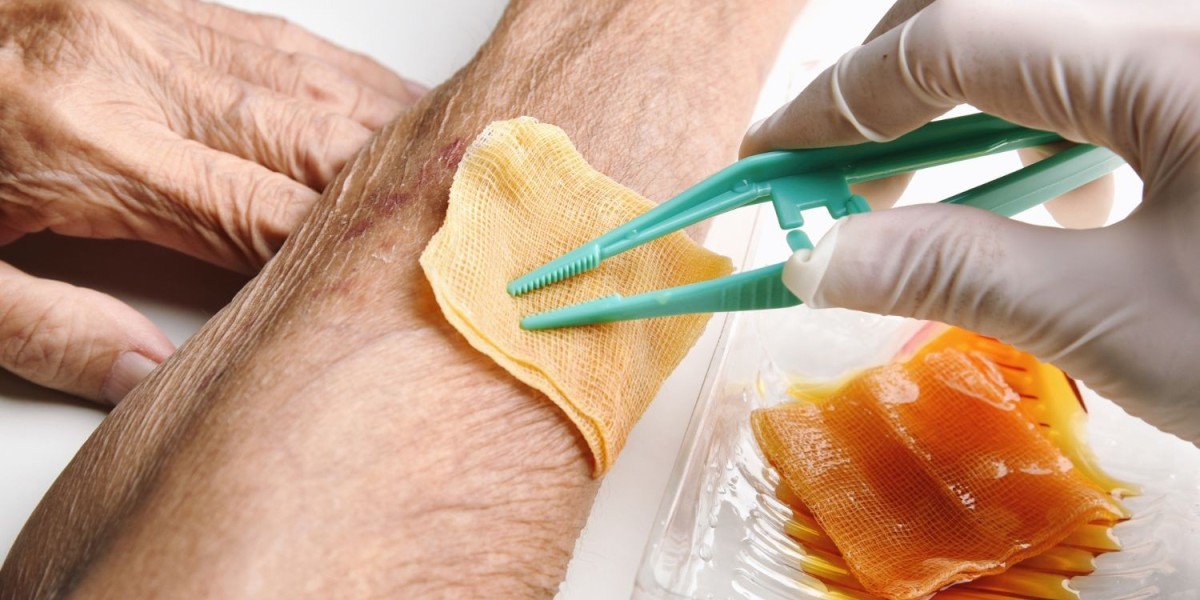

Proper wound care plays an important role in protecting injured skin, reducing infection risks, and supporting the body's natural healing process. Wound Dressing at Home in Dubai allows patients to receive professional wound care in a familiar environment without the added inconvenience of frequent clinic visits. With support from qualified nurses and a Doctor at Home, patients can receive personalized wound assessments, appropriate dressing changes, and guidance on caring for the affected area between visits. Whether recovering from surgery, managing a chronic wound, or healing after an injury, professional wound dressing can help patients follow a consistent care plan. Although healing times vary depending on the wound and the patient's health, appropriate wound management can help reduce avoidable complications and support recovery.
Understanding the Importance of Professional Wound Dressing:
Professional wound dressing involves assessing an injury, cleaning it according to an appropriate care plan, selecting a suitable dressing, and monitoring changes during recovery. Different wounds require different approaches because surgical incisions, skin tears, burns, pressure injuries, and chronic ulcers have distinct care needs. A trained healthcare professional considers the wound's size, depth, location, drainage, surrounding skin, and signs of possible infection before deciding how it should be managed. The dressing should protect the injured tissue, help manage moisture, and reduce unnecessary friction or contamination. Professional support is particularly valuable for patients with diabetes, poor circulation, reduced immunity, or limited mobility, as these factors can complicate healing and increase the need for careful monitoring.
How Professional Wound Assessment Supports Healing:
A thorough wound assessment helps healthcare professionals identify the care requirements of each patient rather than relying on a one-size-fits-all approach. During a visit, the nurse may examine the wound's appearance, surrounding skin, drainage, tenderness, and any changes since the previous dressing. The professional may also ask about the patient's medical history, current medications, allergies, and existing conditions that could affect healing. These observations help determine whether the current dressing remains suitable or whether the patient needs further medical evaluation. Regular assessment can also identify concerns early, including increasing redness, swelling, unusual discharge, or delayed healing. Early recognition does not guarantee faster recovery, but it can help prevent avoidable delays and support timely treatment when complications develop.
Choosing the Right Dressing for Different Wounds:
Selecting an appropriate dressing is essential because different wounds require different levels of protection and moisture management. Some dressings are designed to prevent delicate tissue from sticking to the material, while others help absorb drainage or protect the wound from friction. The choice depends on factors such as wound depth, healing stage, drainage levels, surrounding skin condition, and the instructions of the treating clinician. A dressing that works well for one injury may be unsuitable for another, which is why professional assessment matters. During Wound Dressing at Home in Dubai, qualified healthcare professionals can follow the recommended wound care plan and use suitable dressing materials according to the patient's needs. Specialized care, including wound packing or compression, should only be provided when clinically indicated and by appropriately trained professionals.
Maintaining Cleanliness and Reducing Infection Risks:
Keeping a wound appropriately clean and protected can reduce exposure to contaminants and support the healing process. Professional wound dressing follows suitable hygiene practices, including hand hygiene, clean equipment, and sterile materials when required. The healthcare professional also provides instructions about changing the dressing, managing drainage, and keeping the affected area protected between visits. Patients should avoid touching the wound unnecessarily or applying unapproved creams, powders, or home remedies. Increasing redness, warmth, swelling, worsening pain, pus, fever, or a new unpleasant odor may indicate a possible infection and should be assessed promptly. Severe symptoms, rapidly spreading redness, or signs of serious illness require urgent medical attention. Appropriate hygiene and early reporting of concerns can help reduce the risk of complications.
Supporting Recovery After Surgery or an Injury:
Patients recovering after surgery or an injury may need regular dressing changes to protect the affected area while the tissue heals. Postoperative wounds require particular care because the dressing instructions may depend on the procedure, the closure method, and the surgeon's recommendations. Professional home visits can help patients understand how to protect an incision, recognize unexpected changes, and follow the prescribed schedule for dressing care. Nurses can also explain practical precautions, such as reducing friction, avoiding pressure on the wound, and following the treating clinician's bathing instructions. Patients should not remove surgical packing, disturb stitches, or apply products to an incision unless instructed. If the wound opens, bleeding increases, or pain and swelling worsen, the patient should contact the treating clinician promptly.
Benefits of Receiving Wound Dressing Services at Home:
Home-based wound care can make treatment more accessible for patients who have difficulty travelling because of pain, reduced mobility, advanced age, or recovery after hospitalization. Receiving care in a familiar setting may also help patients feel more comfortable and allow caregivers to learn how to support the prescribed treatment plan. Depending on the service arranged, a qualified professional may assess the wound, change the dressing, document progress, and advise when follow-up care is needed. Important benefits can include:
Reduced need for travel for routine dressing appointments.
Individualized wound care based on professional assessment.
Guidance on maintaining dressing cleanliness between visits.
Monitoring of wound changes during recovery.
Education for family caregivers about safe wound care practices.
Support with identifying concerns that need further medical evaluation.
Home visits do not replace all clinic appointments, specialist assessments, or emergency treatment. The appropriate care setting depends on the wound's complexity and the patient's condition.
The Role of Nutrition and General Health in Wound Healing:
Wound healing depends on more than the dressing itself. The body needs adequate nutrients, sufficient energy, and appropriate hydration to repair tissue, although individual requirements vary according to health status. Protein, vitamins, minerals, and a balanced diet contribute to normal tissue repair, while dehydration or nutritional deficiencies may interfere with recovery. Patients with diabetes should follow their clinician's advice for blood glucose management, as persistently elevated glucose can affect wound healing and infection risk. Smoking can also impair the body's healing processes, so seeking support to stop smoking may be beneficial. Patients with poor appetite, significant weight loss, or dietary restrictions should consult a healthcare professional or dietitian rather than taking supplements without guidance. Managing underlying health conditions is an important part of a comprehensive wound care plan.
Recognizing Delayed Healing and When to Seek Medical Advice:
Some wounds take longer to heal because of their depth, location, repeated pressure, infection, or the patient's underlying health conditions. Professional monitoring can help identify whether progress is slower than expected and whether the care plan needs reassessment. Patients should report wounds that become larger, deeper, more painful, or increasingly red, as well as changes in drainage or surrounding skin. People with diabetes, poor circulation, or reduced immunity should seek advice early if a wound is not improving. Heavy bleeding that does not stop with firm, continuous pressure, deep injuries, exposed underlying tissue, or signs of severe infection require urgent assessment. Do not wait for the next scheduled home visit if serious warning signs occur. A healthcare professional can determine whether additional investigations, treatment, or specialist wound care is required.
Maintaining Consistent Care Between Professional Visits:
The period between dressing changes is an important part of wound management. Patients should follow the healthcare professional's instructions about when a dressing must be changed, whether it needs to remain dry, and what to do if it becomes wet, loose, dirty, or saturated with drainage. Avoid removing an intact dressing unnecessarily, as repeated disturbance may irritate healing tissue. Keep dressing supplies clean and stored appropriately, and wash hands before and after any permitted wound care. Caregivers can record changes in the wound's appearance and note symptoms to discuss during follow-up visits. Patients should not attempt advanced dressing procedures or change prescribed wound treatments independently. Consistency, careful observation, and timely communication help the healthcare team evaluate progress and respond to concerns.
Final Thoughts
Professional wound dressing at home can support safer wound management by combining appropriate assessment, suitable dressing selection, hygiene, and regular monitoring. These practices help protect injured tissue and identify possible complications, although no dressing service can guarantee faster healing. Wound Dressing at Home in Dubai offers a convenient option for eligible patients who need ongoing dressing support, especially after surgery or when mobility is limited. Following professional instructions, managing underlying health conditions, and reporting warning signs promptly are all important parts of recovery. With an individualized wound care plan and appropriate follow-up, patients can receive consistent support while healing in the comfort of their own homes.