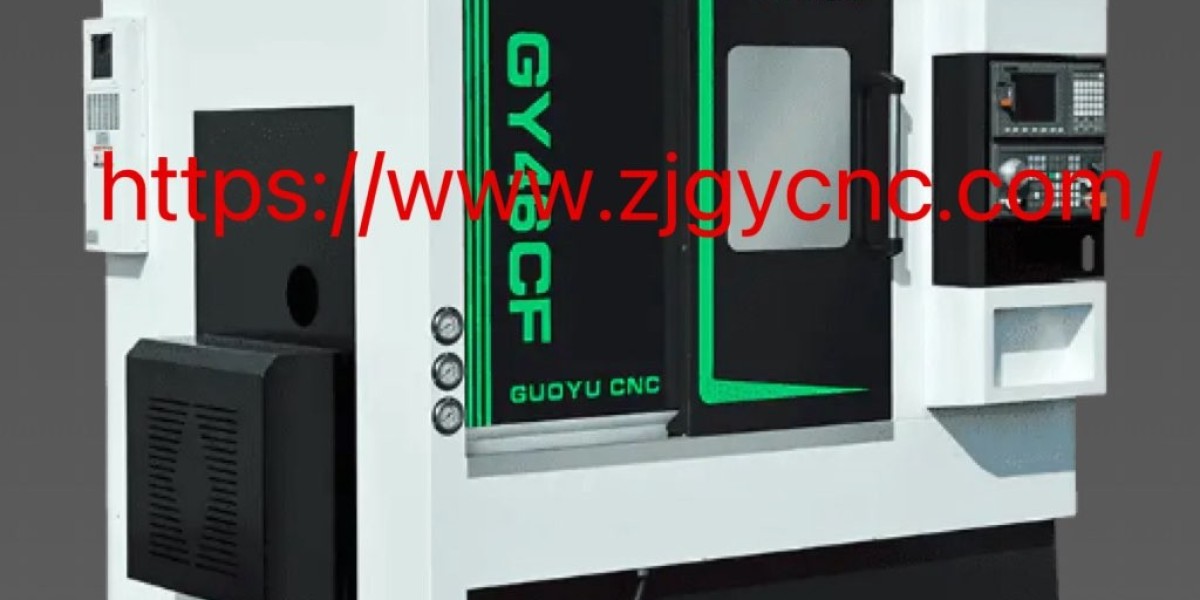

Mill-Turn CNC Machine selection requires buyers to examine component geometry, required operations, and production goals. Integrating milling and turning functions into one system may help manufacturers process different features within a coordinated workflow. Before making a purchasing decision, buyers should evaluate technical specifications, operating requirements, and long-term service needs to determine whether a proposed configuration suits their work.
Identify the Operations Required for Each Component
Start by listing the features that need to be produced, such as cylindrical surfaces, holes, slots, grooves, and flat sections. Consider how many operations each part requires and whether these tasks can be completed within one setup.
Parts involving several production stages may benefit from an integrated arrangement. However, the actual advantages depend on component design, tooling access, and the sequence of operations. Share representative drawings with the manufacturer so its technical team can review your requirements and discuss an appropriate configuration.
Check Spindle and Workpiece Specifications
Workpiece dimensions and material types influence spindle selection, clamping arrangements, and cutting conditions. Buyers should confirm the maximum part diameter, processing length, workpiece weight, and other dimensional limits before comparing available models.
Spindle speed and torque should match the materials and cutting tasks involved. Different applications may require different combinations of speed, cutting force, and stability. Request the relevant specifications and clarify how the proposed configuration accommodates your regular production materials.
Review Milling Functions and Tool Capacity
Milling requirements vary according to part geometry and the features that need to be produced. Examine the available tooling positions, supported tool types, tool-changing arrangements, and access to the surfaces being processed.
For components with multiple features, tool capacity can influence how frequently operators need to interrupt production for tool changes. Buyers should also confirm whether planned operations require special cutters or additional accessories.
Discuss a representative part with the supplier rather than relying only on a general specification sheet. This approach helps both parties assess whether the proposed tooling arrangement is appropriate for the intended workload.
Evaluate Workholding and Positioning
Stable workholding helps maintain dimensional consistency throughout a production run. Depending on the component, buyers may need to consider chuck dimensions, fixture compatibility, clamping force, and the ease of loading and unloading workpieces.
Positioning capabilities also deserve careful review. Confirm the required travel ranges, axis movements, and positioning accuracy against the tolerances shown on your part drawings. If a component contains features on several surfaces, ask how the proposed setup can reach them and whether additional positioning functions are necessary.
A practical review using sample drawings can reveal potential access or clamping limitations before an order is placed.
Assess Control Functions and Operator Requirements
Control-system functions affect programming, job setup, and daily operation. Buyers should check whether the system supports their programming methods, required machining cycles, and preferred workflow. Compatibility with existing production processes may also influence installation and training requirements.
Consider the experience level of your operators and the complexity of the parts being produced. Ask what training materials, technical guidance, and troubleshooting support are available. Clear documentation and an appropriate training plan can help staff become familiar with the equipment and follow consistent operating procedures.
Compare Maintenance and Ownership Costs
The purchase price is only one part of the overall investment. Buyers should also review tooling expenses, routine maintenance, spare-part availability, installation requirements, energy use, and expected service needs.
Ask the manufacturer which components require regular inspection and what maintenance procedures are recommended. It is also useful to clarify warranty coverage, technical support arrangements, and the process for obtaining replacement parts.
When comparing quotations, use the same part requirements and production assumptions for each supplier. This makes it easier to evaluate proposed configurations, operating expenses, and support arrangements on a consistent basis.
Confirm Future Production Needs
Production requirements may change as product designs, order quantities, or material choices evolve. Buyers should consider whether the selected configuration can accommodate likely changes without paying for functions they do not currently need.Prepare a list of current parts, expected output, dimensional tolerances, and possible future applications before requesting a quotation. This information gives the manufacturer a clearer basis for recommending suitable specifications.For more information about manufacturing solutions and available configurations, visit https://www.zjgycnc.com/ and discuss your component requirements with the zjgycnc team before making a purchasing decision.