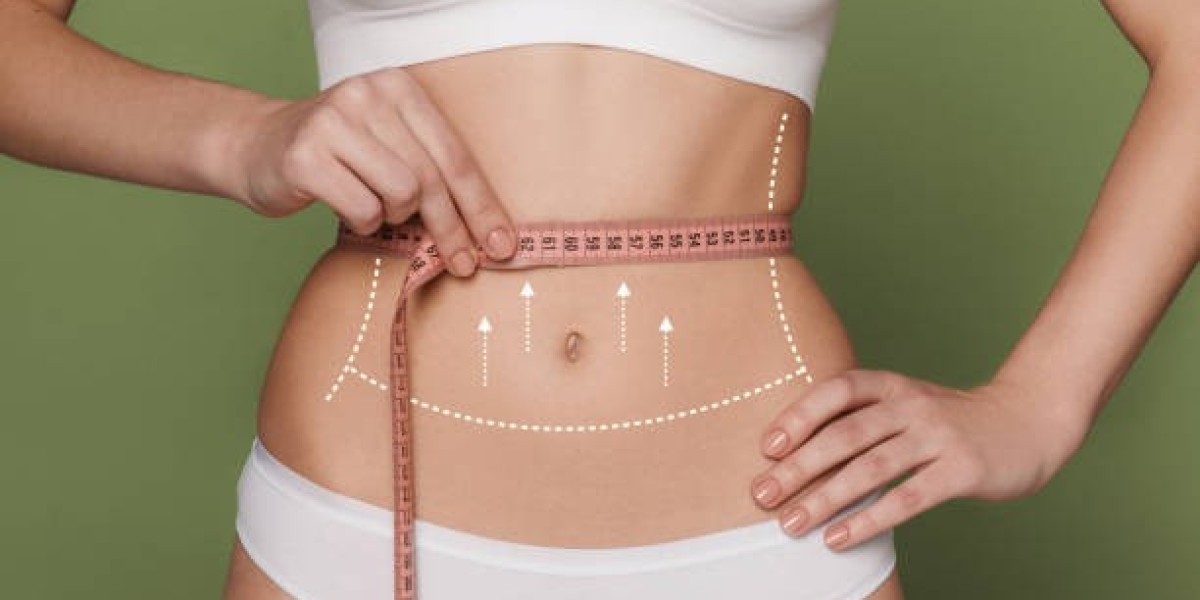

A well-defined waistline is a common body contouring goal for people who want their body proportions to look more balanced. However, stubborn fat around the waist and flanks can remain noticeable despite regular exercise and a balanced diet. Genetics, age, hormones, and individual fat distribution all influence how the body stores fat in this region. A Liposuction procedure in Riyadh (عملية شفط الدهون في الرياض) may help suitable candidates reduce localized fat deposits around the waist and create smoother body contours. Understanding the procedure, its potential benefits, limitations, and recovery requirements can help patients decide whether this treatment fits their personal goals.
What Is Waistline Liposuction?
Waistline liposuction is a surgical body contouring procedure that removes selected deposits of subcutaneous fat from the waist, flanks, and sometimes adjacent areas of the abdomen or lower back. Subcutaneous fat is located directly beneath the skin and can contribute to a wider-looking waistline.
During the procedure, a surgeon makes small incisions in suitable locations and inserts a thin tube called a cannula to loosen and remove targeted fat. The treatment plan is designed around the patient's natural anatomy, fat distribution, and desired outcome.
Liposuction is not intended to replace weight management or treat obesity. It also does not remove visceral fat, which is stored deeper inside the abdomen around internal organs. Patients whose waistline is affected mainly by visceral fat, loose skin, or abdominal muscle separation may require a different treatment approach.
Can Liposuction Create a More Defined Waistline?
Yes, liposuction can help contour the waistline when localized subcutaneous fat is the primary concern. By reducing selected fat deposits around the sides of the waist and abdomen, the procedure may create a smoother transition between the torso and hips.
The extent of improvement depends on the amount and location of fat, skin elasticity, and the patient's natural body proportions. Some people may notice a more defined waist, while others may experience a subtler improvement in the overall silhouette.
A Liposuction procedure in Riyadh is customized to each patient's anatomy rather than designed to produce a particular waist measurement. The surgeon evaluates the surrounding areas to plan balanced fat removal and minimize the risk of uneven contours.
It is important to remember that liposuction cannot change bone structure or guarantee an hourglass figure. Realistic expectations help patients better understand the potential benefits of treatment.
Key Benefits of Waistline Liposuction
Reduces Stubborn Fat Around the Waist
Fat deposits around the waist can sometimes be resistant to lifestyle changes. Although healthy eating and exercise remain important, they do not always reduce fat equally across all body regions.
Liposuction can directly remove selected subcutaneous fat deposits, potentially reducing fullness around the flanks and waist. The procedure is most appropriate for localized contouring rather than substantial weight reduction.
Improves Body Proportions
Excess fat around the midsection can make the waist appear wider in relation to the hips and upper body. Carefully planned fat removal may create more balanced proportions and a smoother silhouette.
The surgeon considers the patient's overall body shape when deciding how much fat to remove and which areas to treat. This helps avoid overcorrection and supports a natural-looking result.
Provides Long-Lasting Contour Changes
Fat cells removed during liposuction do not typically grow back. As a result, changes in the treated area's fat distribution can be long-lasting when the patient maintains a relatively stable weight.
However, remaining fat cells can enlarge if weight increases significantly. Natural aging and changes in skin elasticity can also influence the appearance of the waistline over time.
Who Is a Suitable Candidate?
Waistline liposuction may be appropriate for adults who have localized fat deposits, maintain a relatively stable weight, and have realistic expectations about the outcome.
Several factors influence whether the procedure is suitable.
Stable Weight and Localized Fat
Patients who are close to a suitable, stable weight and have specific areas of stubborn fat may be better candidates than those seeking significant overall weight loss. Liposuction is intended to refine body contours, not serve as a primary weight-management treatment.
Good Skin Elasticity
Skin elasticity affects how well the skin adjusts after fat removal. Patients with good elasticity may achieve smoother contours, while people with significant loose skin may continue to have visible laxity after surgery.
A surgeon can assess whether liposuction alone is likely to meet the patient's goals or whether another procedure should be considered.
General Health and Realistic Expectations
A medical assessment is necessary to review medical conditions, medications, smoking habits, previous surgeries, and other factors that may affect safety and healing.
Patients should also understand that results vary and that liposuction cannot guarantee perfect symmetry, a specific waist size, or permanent protection against future weight gain.
What Happens During the Procedure?
Consultation and Treatment Planning
The process begins with a consultation in which the surgeon examines the waistline, evaluates fat distribution, and discusses the patient's goals. Medical history and overall health are reviewed, and the surgeon explains the proposed technique, anesthesia, potential complications, and recovery requirements.
Patients should ask which areas can be treated safely and whether addressing the abdomen, flanks, or lower back together is appropriate for their circumstances.
Fat Removal and Contouring
During surgery, an appropriate anesthetic approach is used according to the treatment plan. Small incisions allow the surgeon to insert a cannula and remove selected fat deposits. The surgeon works carefully to maintain smooth transitions between treated and untreated areas.
After fat removal, the incisions are managed according to the technique used. Compression garments may be recommended to support the treated areas during recovery.
What Results Can Patients Expect?
The results depend on individual anatomy, skin quality, the amount of fat removed, and the body's healing response. Swelling and bruising are common after surgery and may temporarily obscure the improved contours.
As healing progresses, the waistline gradually becomes more defined. Final results may take several months to become apparent, depending on the extent of treatment and individual recovery.
A Liposuction procedure in Riyadh can provide lasting contour improvements for suitable patients, but the outcome is not immune to future body changes. Maintaining a stable weight and following postoperative instructions can help preserve the results.
Recovery and Aftercare
Recovery varies according to the extent of treatment and the patient's overall health. Temporary swelling, bruising, tenderness, and fluid drainage may occur during the early healing period.
The surgeon may recommend compression garments, gentle walking, wound care, and follow-up appointments. Strenuous exercise and heavy lifting should be postponed until the medical team confirms that it is safe to resume them.
Patients should promptly report worsening pain, fever, increasing redness, or unusual discharge. Shortness of breath or chest pain requires emergency medical attention.
How to Maintain a Defined Waistline
Maintaining a stable weight is an important part of preserving liposuction results. Balanced nutrition, regular physical activity, adequate sleep, and sustainable lifestyle habits can support long-term body composition.
Patients should avoid viewing surgery as a replacement for healthy habits. Although fat cells are removed from the treated area, the remaining cells can enlarge with weight gain. Following medical advice and attending recommended follow-up visits can help patients manage recovery and maintain realistic expectations.
Conclusion
Liposuction can help contour the waistline by reducing localized fat around the abdomen and flanks, potentially creating smoother and more balanced body proportions. Suitability depends on fat distribution, skin elasticity, general health, and realistic expectations. The procedure is designed for body contouring rather than significant weight loss, and maintaining a stable weight can help preserve the outcome. For personalized guidance about waistline contouring and treatment options, contact Royal Clinic Saudia (عيادات رويال كلينك) to arrange a consultation with a qualified medical professional.