
The region's podcast audience is growing faster than almost anywhere else, and the creators who take it seriously are moving out of spare rooms and into proper recording spaces. If you've been weighing a Dubai podcast studio against a home setup, the numbers and the practical trade-offs are both worth a look. Here's how to decide with facts rather than hype.
What the Numbers Say About the Region's Audience
The growth of podcasting in the Middle East markets is one of the better documented stories in audio. A Next Audio analysis in Campaign Middle East reports that 67 percent of people in Saudi Arabia and 57 percent in the UAE listen to podcasts weekly, and that Middle East and Africa monthly listeners rose 21.2 percent in 2025, the fastest rate of any region it measured. The same piece projects the UAE market to grow at a 34.3 percent compound annual rate through 2030.
Advertisers have noticed. Finance, travel, banking and real estate are the leading advertiser categories in the regional market, and real estate developers running campaigns across the UAE and Saudi Arabia in 2025 recorded ad completion rates of 97 to 98 percent. If your show sits in one of those categories, production quality is what turns a listener's attention into a brand's trust.
Even outside those categories, brands look for shows that sound credible before they look at download numbers. A clean, well-lit video clip is easier to send to a prospective sponsor than a rough phone recording, and it keeps the conversation on your audience rather than your equipment.
Platforms are competing for supply too. Ipsos research reported by Campaign Middle East notes that Spotify and Anghami are racing to sign podcasters, and that the flood of new shows has made it harder for any one of them to stand out.
For creators, the takeaway is practical rather than statistical. The audience is large and still expanding, but attention is not unlimited, and new listeners judge a show within the first minute. Sound that is clear from the first sentence gives you a better chance of keeping the people who find you.
Why Dubai Works as a Production Base
Dubai concentrates the industries that advertisers care about most: property, finance, hospitality and travel. It also offers something harder to find, a central location where guests can reach you quickly. Business Bay sits within easy reach of Downtown and DIFC, so an investor, an agent or a founder can slot a recording between meetings.
Gulf Podcast Studios publishes dedicated pages for online course creators, coaches, fitness coaches, finance and investment creators and real estate agents, which gives a fair picture of the niches the city's creators work in. Past sessions have included personal-brand interviews, executive conversations, coaching content and brand videos for social.
If you produce in Arabic, English or a mix of both, the same approach applies: define who the episode is for, book a room that makes them sound good and keep your format consistent across the season. Consistency matters more to a growing audience than any single production upgrade.
What Separates a Studio From a Spare-Room Setup
Most home recordings in Dubai fight the same problems. Apartments tend to have glass walls, tiled floors and high ceilings, all of which reflect sound. Air conditioning hums constantly, and building work can start at any hour. A directional microphone and a few foam panels help, but they rarely solve all of it.
Common culprits to check in your own space:
• Hard surfaces such as glass, tile and bare walls that create echo
• Air conditioning units and fans close to the microphone
• Traffic or construction noise carried through windows
• Shared walls that let neighbours' sound into your recording
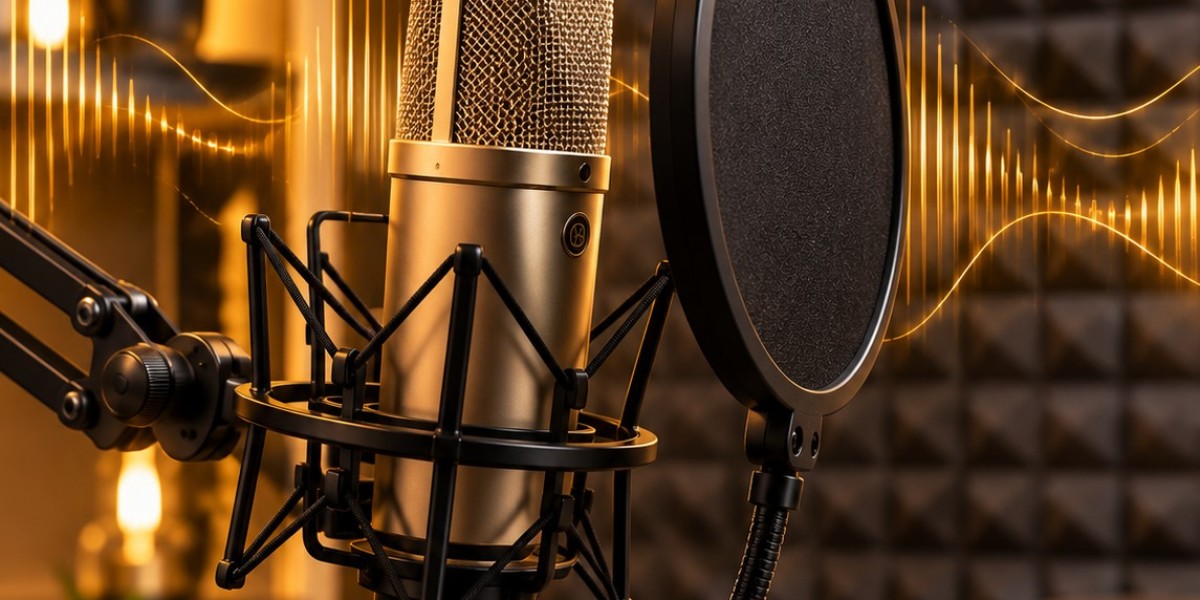
A podcast studio solves the room before you start. Gulf Podcast Studios uses a sound-treated room with broadcast microphones, a mixer, three 4K cameras and an operator running the technical side, so a first-time guest can walk in and simply talk. The room seats up to four people, which means panel-ready video without buying a single stand.
Think too about the people you invite. A guest who has never been on camera performs better in a controlled room with a calm operator than at a kitchen table with a laptop, and that comfort shows in the conversation. For interview-led formats, guest experience is part of production quality.
How to Test a Studio Before You Commit
Book a single hour first. The hourly recording rate starts at AED 450, a small price for learning whether the room fits your show. Use that hour deliberately:
Record ten minutes of conversation with your real guest setup, then listen on earbuds and in a car
Check the raw audio for echo and background noise before judging the final mix
Time the setup so you know how many minutes to budget per session
Ask which files you receive and in what format
As the growth of podcasting in Middle East audiences continues, listeners are getting pickier about sound quality, and a one-hour test is the cheapest way to find out whether your show can meet that standard. If it does, the ten-hour bundle at AED 2,995 lets you spread recordings across six months.
Conclusion
The audience is there, and the competition is growing with it. With the growth of podcasting in Middle East markets showing little sign of slowing, sound quality is becoming part of the brand rather than a technical detail. A studio won't write your show, but it removes the problems that quietly cost listeners: echo, uneven levels and flat video. Test with one hour, compare the raw files, and book more only once the room has earned it. A Dubai podcast studio in Business Bay is easy to reach from most of the city, and the Gulf Podcast Studios team is happy to talk through your format over WhatsApp.
FAQs
1. Is a studio worth it if I already own a good microphone?
Often yes. A microphone can't fix room echo or add camera angles, lighting and a second pair of hands. Many creators keep their own mic for solo audio and use a studio for guests and video.
2. How many people can record at once?
The room comfortably seats up to four people, with mic setups for solo, two-person or small panel formats.
3. Where is the studio located?
At Tamani Arts, Business Bay Office Tower, 10th floor. It's central, whether you're coming from Downtown, DIFC or elsewhere in the city.
4. Can I record things other than podcasts?
Yes. Interviews, online course content, coaching sessions and brand videos all work in the space.