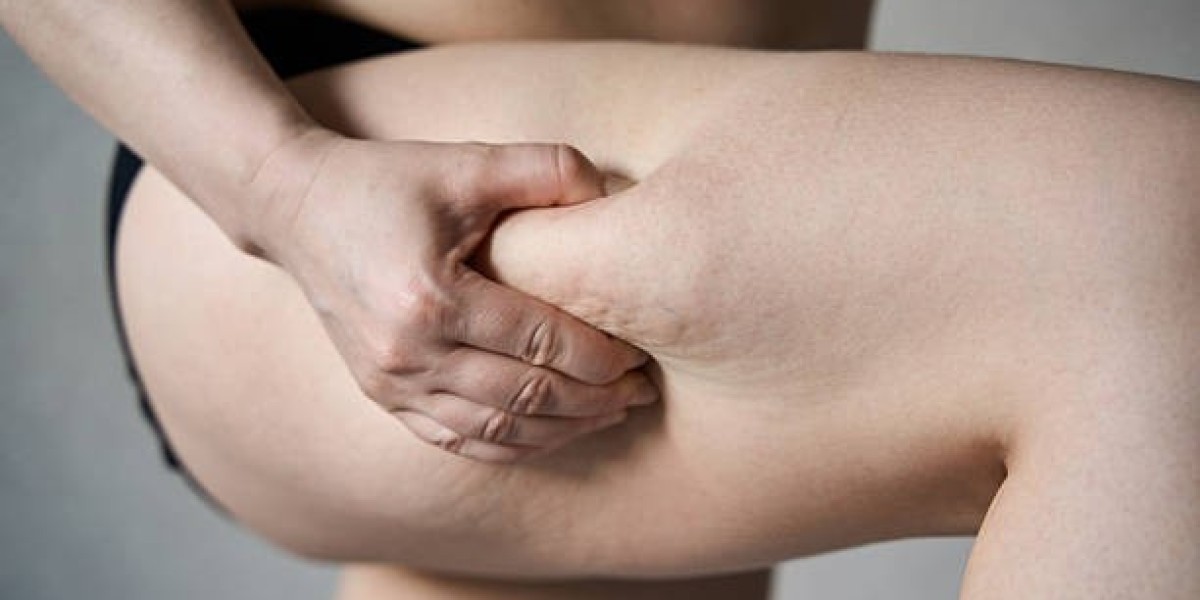

Living with lipedema can involve discomfort, tenderness, swelling, and changes in body shape that affect daily activities and confidence. If you suspect you have this condition or have already received a diagnosis, your first consultation is an important opportunity to understand your symptoms and explore suitable care options. During Treatment for Lipedema in Riyadh (الوذمة الشحمية), an initial appointment typically focuses on reviewing your medical history, examining affected areas, discussing your concerns, and developing a personalized management plan. Knowing what to expect can help you feel more prepared and make it easier to discuss your symptoms openly with a healthcare professional.
Why Is the First Lipedema Consultation Important?
The first consultation helps establish a clearer picture of your symptoms, medical background, and treatment goals. Lipedema is a chronic condition involving an abnormal accumulation of fat, usually affecting the legs, thighs, hips, and sometimes the arms. It may cause tenderness, easy bruising, and a feeling of heaviness that can interfere with movement.
Because lipedema can resemble other conditions, an assessment is important before choosing a treatment approach. Your healthcare professional may consider whether your symptoms are consistent with lipedema or whether another condition, such as lymphedema or chronic venous disease, could be contributing to the changes you have noticed.
The consultation also gives you time to ask questions, understand available options, and discuss what you hope to achieve through treatment.
Reviewing Your Medical History
Questions About Your Symptoms
Your healthcare professional will likely ask when you first noticed changes in your body and how your symptoms have developed. You may be asked whether you experience pain, tenderness, swelling, bruising, or difficulty with activities such as walking and standing.
Other questions may explore whether symptoms affect both legs similarly, whether your feet are involved, and whether discomfort becomes more noticeable at certain times. These details help the clinician understand your experience and identify signs that may require further investigation.
Previous Treatments and Health Conditions
You may also be asked about previous treatments, medications, surgeries, allergies, and existing medical conditions. If you have tried compression garments, physiotherapy, exercise programs, or other management approaches, explain what helped and what did not.
Family history may also be relevant because lipedema can occur in multiple members of a family. Bringing a list of medications and relevant medical records can help make the appointment more productive.
What Happens During the Physical Examination?
A physical examination is often an important part of the initial assessment. The healthcare professional may examine the affected areas to assess the distribution of tissue, tenderness, bruising, skin condition, and any signs of swelling.
Lipedema commonly affects both sides of the body in a relatively symmetrical pattern, although presentation varies. The feet are often spared, but this feature alone cannot establish a diagnosis. The clinician may also assess mobility, discomfort during movement, and other physical factors that could influence treatment decisions.
Depending on your symptoms, additional tests or referrals may be recommended to investigate other possible causes. There is no single test that confirms every case of lipedema, so diagnosis generally relies on medical history and clinical findings, with further testing when appropriate.
Discussing Treatment Options
After reviewing your history and examination findings, your healthcare professional may explain the options that best match your needs. Treatment for Lipedema in Riyadh can involve several approaches, and the recommended plan depends on symptom severity, mobility, overall health, and whether other conditions are present.
Conservative Management
Conservative care may include compression garments, appropriate physical activity, physiotherapy, and guidance on managing discomfort or associated swelling. Compression may help some people manage fluid-related symptoms, while low-impact activities such as swimming, walking, or stationary cycling can support fitness and mobility.
Manual lymphatic drainage may be considered when clinically appropriate, particularly if lymphatic swelling is also present. However, these approaches do not remove the abnormal fat associated with lipedema. Your clinician can explain their potential benefits and limitations based on your symptoms.
Surgical Options
For selected patients with persistent symptoms despite conservative management, specialized liposuction may be discussed. The procedure aims to remove affected fatty tissue and may improve pain or mobility in some individuals.
Surgery is not suitable for everyone and requires careful assessment of potential benefits, risks, recovery needs, and long-term expectations. Possible complications include bleeding, infection, fluid accumulation, contour changes, and lymphatic injury. Your healthcare professional should explain whether a surgical consultation is appropriate and what additional evaluation may be needed.
Setting Realistic Treatment Goals
A key part of the consultation is identifying what you want treatment to achieve. Some people primarily want to reduce tenderness, while others hope to improve walking, manage swelling, or make everyday activities more comfortable.
Your clinician can help you set realistic goals and explain how progress may be assessed. Since lipedema is chronic, treatment generally focuses on managing symptoms and improving quality of life rather than promising a permanent cure.
A personalized plan for Treatment for Lipedema in Riyadh may combine several approaches, with adjustments over time as your needs change. Regular follow-up can help assess whether the chosen strategies are effective and whether further evaluation is necessary.
How to Prepare for Your First Appointment
A little preparation can help you make the most of your visit. Consider writing down when your symptoms began, which areas are affected, and what makes discomfort better or worse. You may also wish to bring previous test results, a medication list, and details of treatments you have already tried.
Prepare questions about the assessment process, available management options, expected benefits, possible risks, and the need for follow-up care. If you are considering surgery, ask about candidacy, recovery requirements, and how complications are managed.
You should feel comfortable discussing your concerns without judgment. A consultation is an opportunity to understand your condition and make informed decisions, not a commitment to proceed with a particular treatment.
Conclusion
Your first lipedema consultation typically involves reviewing your symptoms, examining affected areas, considering other possible conditions, and discussing appropriate management options. Being prepared can help you communicate your concerns and understand the next steps. For personalized guidance and to explore suitable care options, arrange a consultation with Royal Clinic Saudia (عيادات رويال كلينك) and discuss your treatment goals with the healthcare team.