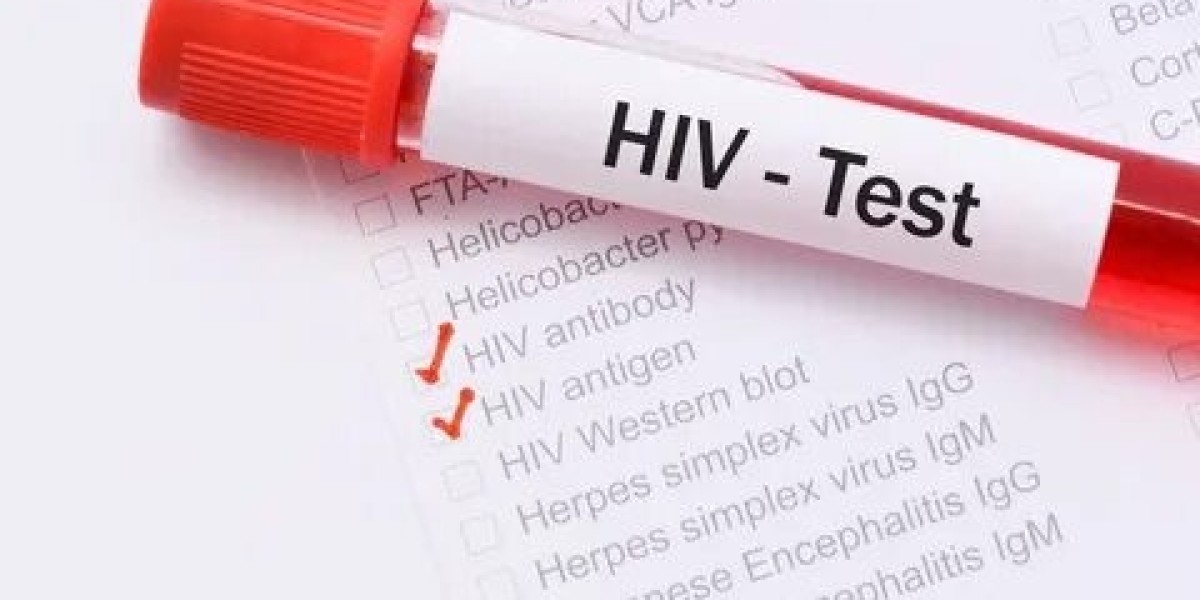

Understanding your HIV status is an important step in protecting your health and making informed decisions about medical care. An HIV Blood Test in Dubai can detect evidence of human immunodeficiency virus (HIV) infection and help healthcare professionals determine whether further testing or treatment is needed. With modern testing methods, HIV can often be diagnosed accurately, and effective treatment can help people living with HIV lead long, healthy lives.
Whether you are considering routine screening, have had a possible exposure to HIV, or want to understand how HIV testing works, knowing what to expect can make the process less stressful. This guide explains the types of HIV tests, when to get tested, how results are interpreted, and what steps to take after testing.
What Is an HIV Blood Test?
An HIV blood test is a medical test used to identify signs of HIV infection. Depending on the testing method, it may detect antibodies produced by the immune system, HIV antigens, or the virus's genetic material.
HIV primarily affects the immune system, especially CD4 cells, which help the body fight infections. Without treatment, HIV can progressively weaken immune function and may eventually lead to acquired immunodeficiency syndrome (AIDS). However, an HIV diagnosis does not mean a person has AIDS, and modern antiretroviral treatment can prevent HIV from progressing to advanced disease.
HIV testing is recommended as part of routine healthcare in many settings and is particularly important after a possible exposure. The appropriate test depends on how recently the exposure occurred, the individual's medical history, and the availability of testing services.
Which HIV Test Is Right for You?
Not every HIV test works in exactly the same way. Some tests are designed for early detection, while others are commonly used for routine screening.
1. Fourth-Generation HIV Antigen and Antibody Test
A fourth-generation HIV test is a widely used laboratory screening method. It checks for both HIV antibodies and an antigen called p24, which can appear in the blood before antibodies become detectable.
Because it looks for two different markers of infection, this test can detect HIV earlier than antibody-only tests in many cases.
A laboratory-based fourth-generation HIV blood test is commonly recommended for routine screening and evaluation after a potential exposure. However, it cannot detect every infection immediately, so the timing of the test matters.
2. HIV Antibody Test
An HIV antibody test looks for antibodies the body produces in response to HIV infection. These tests may use blood collected from a vein, a finger-prick blood sample, or, in some settings, an oral fluid sample.
Antibody tests are widely available and can be useful for screening. Rapid tests may provide results within minutes, while laboratory-based testing may take longer.
The window period for antibody tests is generally longer than that of laboratory-based antigen and antibody tests. A negative result obtained too soon after exposure may therefore need to be repeated.
3. HIV Nucleic Acid Test
An HIV nucleic acid test, sometimes called an HIV RNA test, looks for the virus's genetic material in the blood. It can detect infection earlier than many antibody-based tests.
Healthcare professionals may consider this test when recent exposure is suspected, symptoms raise concern for acute HIV infection, or other test results require clarification.
Because it may be more expensive and is not necessary for every screening situation, a nucleic acid test is usually selected according to clinical circumstances.
When Can an HIV Blood Test Detect Infection?
One of the most important questions about HIV diagnosis is how long after exposure a test can reliably detect infection. This period is known as the HIV testing window period.
According to commonly used guidance from the Centers for Disease Control and Prevention (CDC), typical detection windows are:
Nucleic acid tests: Approximately 10 to 33 days after exposure.
Laboratory antigen and antibody tests using venous blood: Approximately 18 to 45 days after exposure.
Rapid antigen and antibody tests using finger-prick blood: Approximately 18 to 90 days after exposure.
Antibody tests: Approximately 23 to 90 days after exposure.
These ranges are estimates, not guarantees for every individual. The exact window depends on the test, and certain medications used for HIV prevention may affect testing and follow-up recommendations.
If you receive a negative HIV test during the window period, the result may not rule out infection from a recent exposure. Follow the testing provider's advice about when to repeat the test.
Important: If a possible HIV exposure occurred within the past 72 hours, seek urgent medical care to discuss post-exposure prophylaxis (PEP). PEP is a time-sensitive treatment that can reduce the risk of acquiring HIV and should be started as soon as possible when indicated. Do not wait for symptoms or a test result before seeking advice.
What Happens During an HIV Blood Test?
The testing process is usually straightforward. The exact procedure depends on whether the test is performed in a laboratory, clinic, hospital, or community testing service.
A typical laboratory HIV blood test involves the following steps:
Step 1: Discuss your situation. A healthcare professional may ask about possible exposure dates, previous HIV tests, symptoms, and any medicines used for HIV prevention.
Step 2: Provide a blood sample. A trained professional usually draws blood from a vein in your arm. Some screening services use a finger-prick sample instead.
Step 3: Laboratory analysis. The sample is examined for HIV antigens, antibodies, or viral genetic material, depending on the selected test.
Step 4: Receive your result. Rapid tests may provide results within minutes. Laboratory results may take several hours to several days, depending on the facility and its procedures.
Most HIV blood tests do not require fasting. Follow any specific instructions provided by your testing service.
Testing should be handled confidentially in accordance with local laws and healthcare privacy requirements. If you have concerns about confidentiality, ask the provider how your information and results will be protected before testing.
How to Understand Your HIV Test Results?
An HIV Blood Test result should be interpreted according to the type of test used, the time since possible exposure, and whether additional testing is required.
Negative or Nonreactive Result
A negative or nonreactive result means the test did not detect the markers of HIV infection it was designed to identify.
If testing occurred after the relevant window period and there has been no subsequent exposure, a negative result can generally provide reliable information about your HIV status. If the test was taken too early, repeat testing may be necessary.
A negative result does not protect you from future infection. Preventive measures, including condoms, pre-exposure prophylaxis (PrEP) when appropriate, and regular testing based on individual risk, can help reduce the chance of acquiring HIV.
Reactive or Preliminary Positive Result
A reactive screening result does not always mean that a person has HIV. Screening tests are designed to identify possible infections, so additional testing is needed to confirm the diagnosis.
For example, a reactive laboratory antigen and antibody test may be followed by an HIV-1/HIV-2 antibody differentiation test. If the results are negative or indeterminate but recent infection remains possible, an HIV nucleic acid test may be recommended.
This confirmation process helps distinguish true HIV infection from a preliminary result that requires clarification.
Indeterminate or Inconclusive Result
An inconclusive result means the testing process has not provided a clear answer. It may occur when infection is very recent or when test findings do not match.
A healthcare professional may recommend a new blood sample, repeat testing, or a different diagnostic test. Follow-up is important rather than assuming either a positive or negative status.
Can HIV Be Detected Without Symptoms?
Yes. Many people with HIV have no noticeable symptoms for years, especially during the chronic stage of infection. Others may develop flu-like symptoms, such as fever, sore throat, rash, swollen lymph nodes, fatigue, or muscle aches, in the weeks following infection.
These symptoms are not specific to HIV and can occur with many other illnesses. Some people with HIV experience no early symptoms at all.
For this reason, symptoms alone cannot confirm or exclude HIV infection. An HIV blood test is the appropriate way to assess your status after a possible exposure or as part of recommended screening.
If you have symptoms and believe you may have been exposed recently, seek medical advice. A clinician can determine whether early HIV testing or testing for other infections is appropriate.
Who Should Consider HIV Testing?
HIV testing can benefit anyone who wants to know their status, and recommendations vary by country, age, and individual circumstances.
Testing is particularly important for people who:
Have had sex without a condom with a partner whose HIV status is unknown.
Have shared needles, syringes, or other injection equipment.
Have been diagnosed with another sexually transmitted infection.
Have had a partner diagnosed with HIV.
Are pregnant or planning pregnancy and need recommended prenatal screening.
Have had a possible occupational or other blood exposure.
Have never been tested and want to establish their HIV status.
A healthcare professional can recommend a suitable testing schedule based on your circumstances. Some people may benefit from periodic screening, while others may need testing after a specific exposure.
HIV cannot be diagnosed by appearance, and a person's relationship status or perceived risk does not reliably establish their HIV status.
What Should You Do After an HIV Diagnosis?
A confirmed HIV diagnosis can feel overwhelming, but effective treatment is available. The next step is to connect with a qualified healthcare provider or HIV treatment service.
Treatment usually involves antiretroviral therapy (ART), which suppresses HIV replication and allows the immune system to recover or remain healthy. A clinician may also arrange baseline blood tests, including a CD4 cell count and viral load, to assess immune function and measure the amount of HIV in the blood.
Starting treatment promptly is recommended. With consistent treatment and medical follow-up, many people with HIV live long, healthy lives.
When treatment suppresses HIV to an undetectable viral load and maintains that suppression, HIV is not transmitted through sex. This is known as Undetectable = Untransmittable (U=U). People should continue taking their medication and attending follow-up appointments to maintain viral suppression.
An HIV diagnosis is a medical condition, not a judgment about someone's character. Supportive healthcare, accurate information, and confidential counselling can help people manage their health and well-being.
How Much Does an HIV Blood Test Cost?
The cost of HIV testing varies by country, healthcare provider, laboratory, and test type. Some public health facilities, community organizations, and screening programs offer free or low-cost testing.
Before arranging a test, check whether the fee covers the initial screening test, any required confirmatory testing, and a consultation to discuss the results. If you are seeking testing after a recent exposure, ask the provider which test is appropriate for the timing involved.
Choose a reputable healthcare facility or accredited laboratory and follow its instructions for receiving results and arranging any necessary follow-up.
Frequently Asked Questions About HIV Blood Tests:
Is an HIV blood test accurate?
HIV tests are highly accurate when the appropriate test is used at the correct time. Accuracy depends on the testing method, window period, and completion of any recommended confirmatory testing.
Can a routine blood test detect HIV?
Not necessarily. HIV is not automatically included in every routine blood test. A specific HIV screening or diagnostic test must be ordered or included in the relevant screening program.
Do I need to repeat a negative HIV test?
You may need to repeat it if the test was performed during the window period, if you have had another exposure, or if a healthcare professional recommends follow-up because of preventive medication or other circumstances.
Can HIV be cured?
There is currently no widely available cure for HIV, but antiretroviral therapy can control the virus effectively. With appropriate treatment and monitoring, people living with HIV can maintain their health and prevent sexual transmission when viral suppression is sustained.
Final Thoughts:
An HIV blood Lab tests is one of the most reliable ways to determine whether you have HIV. Understanding the differences between antibody tests, fourth-generation antigen and antibody tests, and nucleic acid tests can help you choose an appropriate testing option with a healthcare professional.
The timing of testing is essential because every test has a window period. A negative result obtained too early may require follow-up, while a reactive screening result must be assessed through the recommended confirmatory testing process.
If you have experienced a possible HIV exposure within the past 72 hours, seek urgent medical advice about PEP. Otherwise, arrange testing through a qualified healthcare provider or reputable testing service, discuss your results, and follow any recommended next steps. Knowing your status empowers you to protect your health and access effective care when needed.