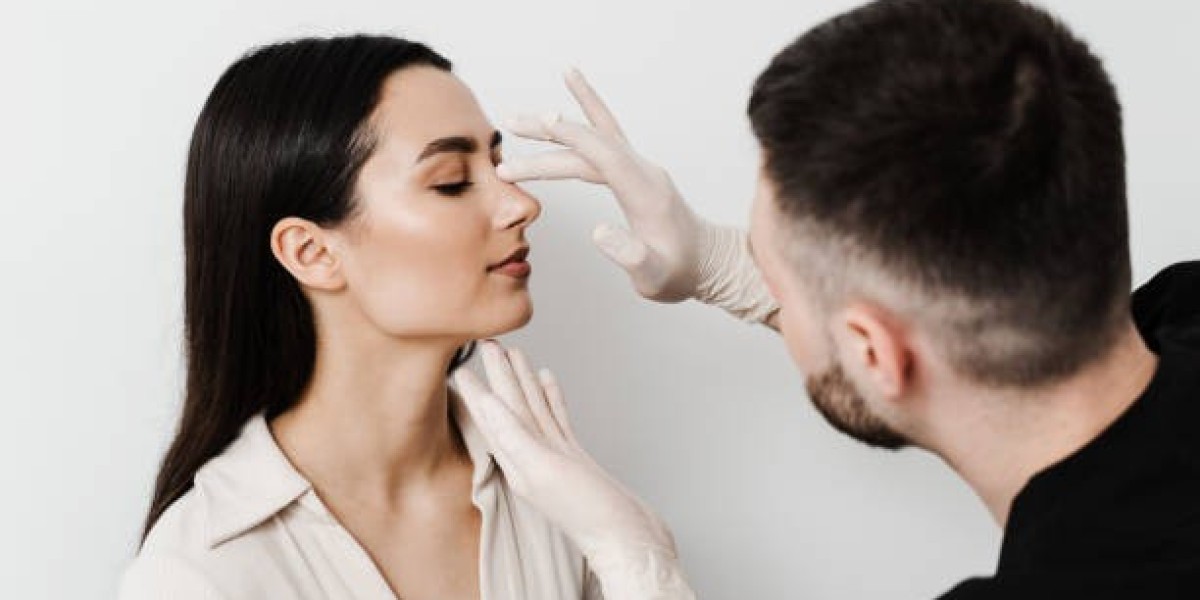

Rhinoplasty can change the shape, proportions, and structure of the nose, but the final appearance does not become visible immediately after surgery. Swelling, bruising, and natural tissue healing can temporarily affect the nasal contour during recovery. While some improvements may become noticeable within the first few weeks, subtle changes can continue for several months. Understanding the recovery timeline helps patients develop realistic expectations and avoid judging their results too early.
Why Rhinoplasty Results Take Time to Develop
Rhinoplasty involves reshaping the underlying bone, cartilage, and sometimes surrounding soft tissue. These structures need time to heal and settle into their new position. The amount of swelling and the speed of recovery depend on several factors, including the surgical technique, extent of correction, skin thickness, and individual healing response.
Patients considering rhinoplasty riyadh price should understand that the nose may look different at various stages of recovery. Early swelling can make the tip appear wider, less defined, or slightly elevated compared with the expected final appearance. These temporary changes generally improve as healing progresses.
Rhinoplasty Results During the First Week
The first week is usually the most noticeable stage of early recovery. Patients may experience swelling, bruising around the nose and eyes, tenderness, and nasal congestion. A splint may be placed to protect and support the nose while the initial healing process begins.
During this stage, the nose may not reflect its eventual shape. Swelling can make the bridge and tip appear fuller than expected. Patients should follow their surgeon's instructions, keep their head elevated while resting, avoid pressure on the nose, and attend the scheduled follow-up appointment.
The surgeon may remove or adjust the external splint during an early follow-up visit, depending on the procedure and healing progress. Even after this appointment, swelling will remain.
What Changes During the First Month?
During the first several weeks, bruising and much of the initial swelling usually begin to improve. The overall nasal shape may become easier to recognize, and patients may notice early changes in the bridge or profile.
However, the nose can still appear swollen, particularly around the tip. Temporary congestion or changes in nasal sensation may also continue during this period. Patients should avoid strenuous exercise, contact sports, and activities that could place pressure on the nose until their surgeon approves them.
Rhinoplasty in Riyadh requires patience during this stage because visible improvement does not mean that internal healing is complete. The nose continues to change as swelling decreases and tissues gradually settle.
How the Nose Changes Between Three and Six Months
Between three and six months, many patients notice more defined contours as residual swelling continues to decrease. The bridge may appear smoother, and the nasal tip may gradually become more refined.
The rate of improvement varies. Some patients see substantial changes during this period, while others experience slower progress, especially when the surgery involved extensive tip work or significant structural adjustments.
Skin thickness is another important factor. Thicker nasal skin can retain swelling for longer and may take additional time to reveal the underlying shape. Patients with thinner skin may notice structural details sooner, although minor irregularities can also be more visible.
When Can You Expect Final Rhinoplasty Results?
For many patients, the nose approaches its final appearance within approximately 12 months. However, complete refinement can take longer, particularly after complex procedures, revision rhinoplasty, or surgery involving extensive work on the nasal tip.
The tip often takes the longest to settle because it contains soft tissue and cartilage that may remain swollen after other areas have improved. Some subtle changes can continue beyond the first year.
It is important to remember that healing timelines are not identical for everyone. A surgeon can assess progress during follow-up appointments and explain whether the recovery is developing as expected.
Factors That Influence the Rhinoplasty Recovery Timeline
Several factors can affect how quickly the final result becomes visible.
Surgical Technique and Complexity
A procedure involving limited adjustments may have a different recovery pattern from one requiring extensive reshaping or structural reconstruction. Open and closed rhinoplasty techniques also involve different surgical approaches, although neither guarantees a faster recovery in every case.
Skin Thickness and Tissue Response
Thicker skin may retain swelling longer, especially around the nasal tip. Individual tissue response, circulation, and natural healing patterns also influence the timeline.
Primary or Revision Rhinoplasty
Patients undergoing revision surgery may require additional healing time because previous procedures can create scar tissue or alter the nasal framework. Revision cases may also involve cartilage grafting or more complex structural adjustments.
Following Postoperative Instructions
Protecting the nose during recovery is essential. Patients should avoid unnecessary pressure, follow medication and cleaning instructions, limit strenuous activities as directed, and attend follow-up visits. Smoking and nicotine can interfere with healing and should be avoided according to medical advice.
How to Support Proper Healing After Rhinoplasty
Although patients cannot force swelling to disappear, they can follow practical steps to support recovery:
Keep the head elevated while sleeping during the recommended period.
Avoid rubbing, pressing, or accidentally bumping the nose.
Follow instructions about nasal cleaning and prescribed medication.
Avoid blowing the nose until the surgeon permits it.
Resume exercise gradually and only after medical clearance.
Protect the nose from direct sunlight and accidental injury.
Attend scheduled follow-up appointments.
Patients should contact their surgeon if they develop fever, increasing pain, spreading redness, unusual drainage, or heavy or persistent bleeding. Sudden breathing difficulty or chest pain requires emergency medical attention.
Why Follow-Up Appointments Matter
Follow-up visits allow the surgeon to evaluate swelling, tissue healing, nasal structure, and breathing function. These appointments also provide an opportunity to discuss concerns about asymmetry or changes in appearance.
Patients should avoid making decisions about revision surgery while significant swelling remains. Early changes do not necessarily represent the final outcome, and additional procedures should only be considered after an appropriate assessment and sufficient healing.
Rhinoplasty in Riyadh should be approached with realistic expectations, as the final result depends on anatomy, surgical planning, and individual recovery.
Understand Your Rhinoplasty Recovery Journey
Final rhinoplasty results generally develop gradually, with many patients seeing substantial refinement over the first year. If you are considering nose reshaping or have questions about your recovery timeline, contact Royal Clinic Saudia to discuss your concerns and receive guidance based on your individual nasal structure and treatment plan.