
Sourcing equipment for chocolate production is a decision that can influence manufacturing operations long after a purchase has been completed. Buyers need to understand not only what a machine does, but also how its construction, technical support, and compatibility with other equipment affect daily production. When evaluating a Chocolate Ball Mill Supplier, manufacturers should consider the relationship between product quality, application knowledge, communication, and after-sales assistance. A supplier that understands the practical challenges of chocolate processing can help buyers assess equipment in the context of their actual production environment rather than relying on general product descriptions.
Material selection is an important part of this evaluation. Chocolate processing equipment contains surfaces and components that serve different purposes, so each material should be appropriate for its intended role. Product-contact surfaces need to be suitable for food processing, resistant to corrosion, and manageable during cleaning. Stainless steel is commonly used in food machinery because it offers a practical combination of durability and cleanability. Other materials may be used for external structures, supports, and mechanical components. Buyers should also ask about seals, internal contact surfaces, surface finishes, and material documentation. Looking at the complete equipment assembly provides a more useful assessment than focusing on one visible material.
A reliable purchasing process begins with a clear description of the intended application. Chocolate manufacturers may produce different product styles, work with varied formulations, or operate several processing stages within one facility. Before requesting a recommendation, buyers should explain the ingredients involved, the desired characteristics of the finished chocolate, the existing production arrangement, and the way materials move between machines. They should also consider whether the equipment will serve a new production line or replace an existing unit. Sharing this information allows the supplier to understand the operational context and discuss whether the proposed solution is compatible with the manufacturer's process.
Supplier evaluation should include more than the initial product quotation. Buyers can review the supplier's experience with food processing machinery, the range of related equipment available, and its ability to explain how individual machines work within a wider production system. Technical communication is particularly useful when a project involves multiple processing stages or customized arrangements. Prospective customers may request product documentation, discuss installation conditions, and clarify which services are available before and after delivery. Sample discussions and technical consultations can also reveal how carefully a supplier responds to application-specific questions. Clear communication at this stage helps establish realistic expectations for both parties.
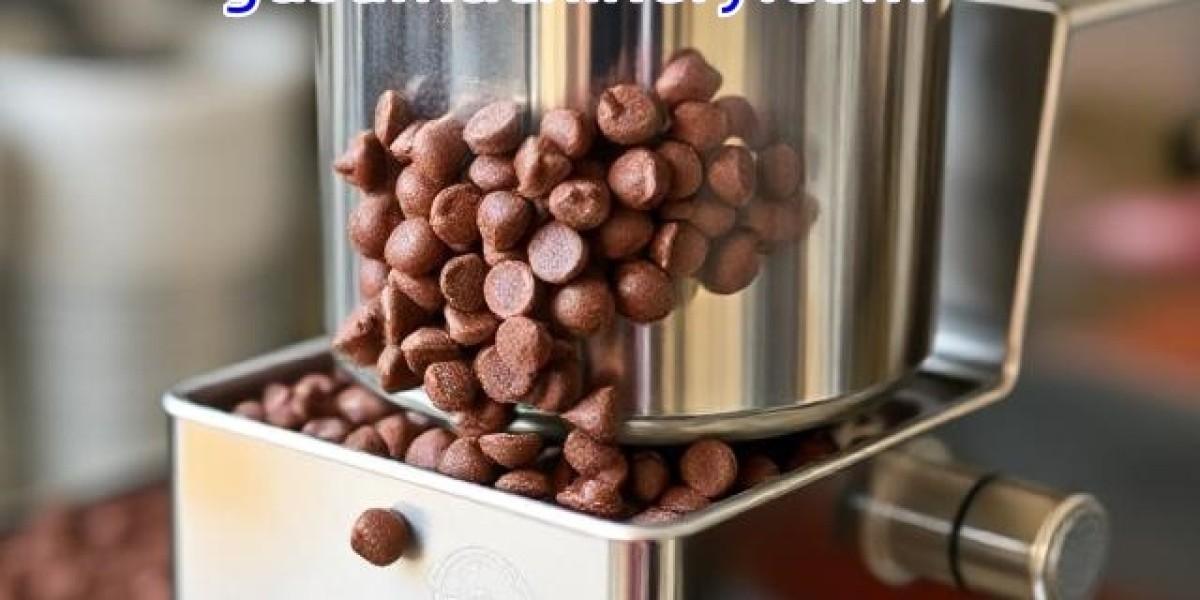
The technology behind a ball mill is based on mechanical interaction between the chocolate mixture and grinding media inside a processing chamber. As the material moves through the equipment, repeated contact helps refine its texture and supports the development of a more uniform mixture. The result depends on several connected factors, including ingredient preparation, formulation, material movement, and process management. A machine should therefore be assessed as part of the complete production method rather than as an isolated piece of equipment. Buyers can discuss how feeding, circulation, product transfer, and temperature management are coordinated with the rest of the line.
Technical support becomes especially valuable when equipment is introduced into an operating facility. Installation planning may involve reviewing the available floor space, material handling routes, utility connections, and access for operators and maintenance personnel. The supplier should be able to clarify the information needed before installation and explain the responsibilities of each party during setup. Communication about operating procedures and staff training is also important. Operators need to understand the machine's normal working sequence, relevant safety practices, cleaning requirements, and the correct way to respond when an unexpected condition occurs. Well-organized guidance can make the transition into production easier to manage.
The everyday experience of using the equipment depends on its accessibility and the quality of the working arrangement. Controls should be understandable, inspection areas should be reasonably accessible, and connections should support an organized production layout. Maintenance teams also need to know how to inspect relevant components and identify signs that servicing may be required. Buyers should ask about recommended maintenance practices, technical documentation, spare-part arrangements, and the process for requesting assistance. These considerations are particularly relevant for manufacturers that need to coordinate equipment care with scheduled production activities. A supplier's willingness to explain service procedures can contribute to more effective equipment management.
Equipment design influences how naturally a machine fits into the factory environment. The arrangement of the main body, access panels, connections, and supporting structure affects installation, cleaning, and routine inspection. A well-organized exterior can help operators identify important working areas, while practical access points make it easier for technicians to carry out their responsibilities. Buyers should also consider how the machine's appearance and layout correspond with neighboring equipment, material pathways, and the overall organization of the production area. Visual design is most useful when it supports practical operation rather than serving as decoration alone.
Gusu Food Processing Machinery Suzhou Co., Ltd. works with businesses seeking machinery for chocolate and other food processing applications. During supplier discussions, manufacturers can explain their product range, production objectives, ingredient requirements, and existing equipment arrangements to explore suitable processing solutions. Questions about technical coordination, installation preparation, operator guidance, and ongoing service can help clarify the scope of support available for a project. More information about the company's equipment and services can be found at https://www.gusumachinery.com/.