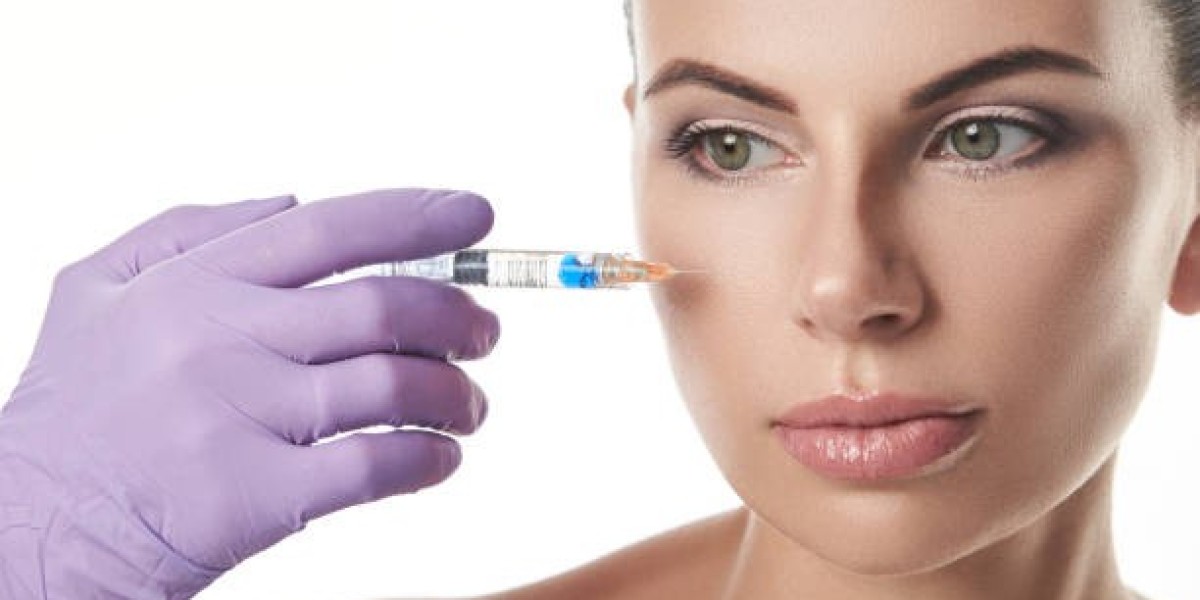

Regenerative medicine has introduced different approaches that aim to support the body's natural repair processes and improve tissue health. Two treatments frequently discussed in this field are stem cell therapy and platelet-rich plasma (PRP). Both involve biological materials, but they work differently and have distinct applications, limitations, and levels of scientific evidence. Understanding the differences between Stem Cell Therapy in Riyadh and PRP can help individuals make informed decisions when exploring modern regenerative treatment options.
Stem cell therapy involves the use of specific cells with regenerative properties, while PRP uses a concentrated preparation of platelets obtained from a person's own blood. Although both approaches are being investigated for different medical and aesthetic applications, they are not interchangeable. Learning how Stem Cell Therapy in Riyadh differs from PRP can help patients understand their mechanisms, potential uses, and the importance of professional medical assessment.
What Is Stem Cell Therapy?
Stem cell therapy is a broad term for medical treatments and research approaches involving cells that can develop into certain specialized cell types or influence surrounding tissues through biological signaling. These cells are being studied for their potential role in tissue repair, regeneration, and selected medical conditions.
One established application is blood-forming stem cell transplantation, which is used for certain blood cancers, bone marrow disorders, and inherited blood conditions. Other proposed applications involving skin rejuvenation, hair restoration, joint repair, and organ regeneration remain under investigation and may not have sufficient evidence for routine clinical use.
What Is PRP Therapy?
Platelet-rich plasma is a preparation made from a patient's own blood. A blood sample is processed, usually through centrifugation, to concentrate platelets in a smaller volume of plasma.
Platelets contain growth factors and other signaling substances involved in the body's natural healing response. PRP is used or studied in selected medical and aesthetic settings, including certain musculoskeletal and dermatological applications. However, its effectiveness varies depending on the condition, preparation method, and treatment protocol.
How Do Stem Cell Therapy and PRP Work Differently?
Although both approaches involve biological processes associated with tissue repair, their mechanisms are different.
Stem Cell Therapy Mechanism
Stem cell-based approaches use specific cells or cell-derived materials to investigate or influence tissue activity. Depending on the treatment, the intended mechanism may involve cell replacement, cellular communication, or the release of biological signals.
The effects depend on the cell source, preparation, delivery method, and condition being treated. Not every stem cell product contains the same type of cells, and not every application has established clinical benefits.
PRP Therapy Mechanism
PRP works primarily through the concentrated platelets obtained from the patient's blood. These platelets release growth factors and other substances that participate in tissue repair and cellular communication.
PRP does not introduce stem cells into the body. Instead, it uses the patient's own platelet components to influence biological responses. Its results can vary, and it is not effective for every condition.
Key Differences Between Stem Cell Therapy and PRP
Understanding their main differences can make treatment discussions more straightforward.
Source of Biological Material
Stem cell treatments may involve cells obtained from different sources, depending on the procedure and regulatory framework. PRP is prepared from a patient's own blood, making its biological source different from most stem cell-based approaches.
Main Biological Function
Stem cell approaches may involve cell development, cellular signaling, or tissue-related activity. PRP primarily delivers concentrated platelets and their growth factors to the treatment area.
Preparation Process
Stem cell procedures vary considerably depending on the cell type and preparation method. PRP generally involves collecting blood and processing it to concentrate platelets before use.
Clinical Applications
Stem cell transplantation has established applications in certain blood and bone marrow conditions. Other regenerative uses are still being studied. PRP has selected applications in medical practice, but evidence and recommendations differ depending on the condition and treatment protocol.
Scientific Evidence
The evidence for both treatments varies by application. Neither treatment should be assumed to work for every medical or cosmetic concern. Patients should evaluate the research supporting the exact procedure being offered rather than relying on broad claims about regenerative medicine.
Stem Cell Therapy vs PRP for Hair Restoration
Both treatments are discussed in the context of hair loss, but their mechanisms differ.
PRP uses concentrated platelets from the patient's blood and is used in some clinical settings for selected hair loss conditions. Research suggests it may improve certain hair-related outcomes in some patients, although results vary.
Stem cell-based hair restoration approaches are still being investigated. Researchers are exploring whether stem cells or cell-derived signals could influence hair follicle activity and the scalp environment. However, these approaches are not established standard treatments for common hair loss conditions.
The appropriate option depends on the cause and severity of hair loss, follicle condition, medical history, and available clinical evidence.
Stem Cell Therapy vs PRP for Skin Rejuvenation
PRP is used in some aesthetic settings to support skin-related procedures. It is being studied for its potential influence on tissue repair, collagen-related activity, and skin quality.
Stem cell-related approaches are also being investigated for possible effects on cellular repair, collagen signaling, and tissue remodeling. However, many cosmetic stem cell applications remain experimental, and reliable improvements in skin rejuvenation have not been firmly established.
Anyone considering Stem Cell Therapy in Riyadh or PRP for cosmetic purposes should understand the evidence, regulatory status, and possible risks associated with the specific procedure.
Which Treatment Is Better for You?
There is no universal answer because stem cell therapy and PRP are designed around different biological mechanisms. The appropriate approach depends on the medical concern, treatment goals, individual health, and the scientific evidence available for that application.
A qualified healthcare professional can assess the condition and explain whether an established treatment, PRP, or a research-based regenerative approach is appropriate. Patients should also ask about potential side effects, realistic outcomes, and alternative options before proceeding.
Book Your Appointment at Royal Clinic Saudia
If you want to understand the differences between regenerative treatments such as stem cell therapy and PRP, Royal Clinic Saudia can be a starting point for discussing your questions with qualified professionals. Book an appointment to discuss your concerns, understand available medical options, and receive guidance based on your individual needs.
FAQs:
What is the main difference between stem cell therapy and PRP?
Stem cell therapy involves specific cells or cell-derived materials that may influence tissue activity, while PRP uses concentrated platelets obtained from the patient's own blood to deliver growth factors and other signaling substances.
Does PRP contain stem cells?
No. PRP is a platelet-rich preparation made from blood. It contains concentrated platelets and plasma components, not a therapeutic preparation of stem cells.
Is stem cell therapy better than PRP for hair loss?
Neither treatment is universally better. PRP has clinical use for selected hair loss conditions, while stem cell-based hair restoration remains under investigation. Treatment decisions depend on the cause of hair loss and the available evidence.
Are stem cell therapy and PRP safe?
Both treatments have potential risks, and safety depends on the preparation method, procedure, and clinical setting. Patients should discuss possible complications and treatment alternatives with a qualified healthcare professional.