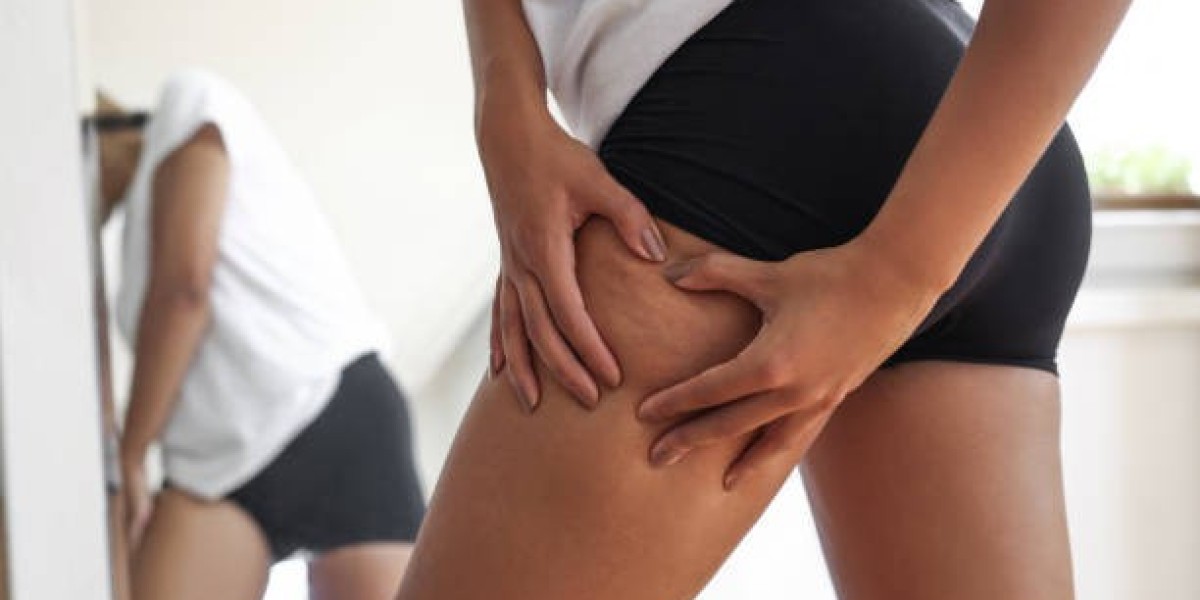

Lipedema is a chronic condition that causes an abnormal and often symmetrical buildup of fat, mainly around the hips, buttocks, thighs, and legs, and sometimes the arms. It may cause tenderness, pain, easy bruising, and a feeling of heaviness that can make physical activity challenging. Although exercise cannot eliminate lipedema fat, it can support mobility, muscle strength, joint function, and overall well-being. As part of Treatment of lipedema in Riyadh (علاج الوذمة الشحمية في الرياض), suitable physical activity can help patients manage certain symptoms and maintain a more active lifestyle.
Choosing the right exercise routine is important because every patient experiences lipedema differently. Some people may find walking comfortable, while others prefer swimming or gentle cycling because these activities place less pressure on the joints. A personalized approach to Treatment of lipedema in Riyadh may include low-impact exercise alongside other supportive methods, depending on symptoms, physical ability, and medical history. The goal is not to cure the condition through exercise but to improve physical function and support long-term symptom management.
How Can Exercise Help Manage Lipedema?
Regular physical activity offers several potential benefits for people living with lipedema. It does not reverse the abnormal fat distribution, but it can help address some of the physical challenges associated with the condition.
Improves Muscle Strength
Strengthening the muscles in the legs, hips, and core can support everyday movements such as walking, standing, and climbing stairs. Stronger muscles may also help improve stability and reduce strain during routine activities.
Supports Mobility and Joint Function
Lipedema-related heaviness and discomfort can make movement difficult. Gentle, consistent exercise can help maintain flexibility and joint mobility, making everyday activities more manageable.
Encourages Healthy Circulation
Muscle movement helps support normal blood and lymphatic fluid circulation. This may be particularly useful for people who experience swelling alongside lipedema, although exercise alone does not treat every cause of swelling.
Supports Emotional Well-Being
Living with a chronic condition can affect confidence and emotional health. Enjoyable physical activities may help reduce stress, improve mood, and create a sense of control over daily health routines.
Which Exercises Are Best for People With Lipedema?
Low-impact activities are often a practical starting point because they can support movement without placing excessive stress on the joints. The most suitable options depend on individual comfort, symptoms, and fitness level.
Walking
Walking is an accessible activity that can help maintain mobility and support general fitness. Patients can begin with short, comfortable sessions and gradually increase the duration as their ability improves.
Swimming and Water Exercises
Water-based activities are often comfortable for people with leg heaviness or joint discomfort. Water provides buoyancy, reducing the pressure placed on joints while allowing the muscles to work. Swimming and gentle water walking may be useful options.
Cycling
Stationary or regular cycling can help improve leg strength and cardiovascular fitness. Patients can start with low resistance and adjust the session according to their comfort.
Gentle Strength Training
Light resistance exercises can strengthen the muscles around the hips, thighs, and legs. Bodyweight movements, resistance bands, and supervised exercises may be suitable depending on the patient's condition.
Stretching and Mobility Exercises
Gentle stretching can help maintain flexibility and comfortable movement. These exercises may be particularly useful for patients who experience stiffness or reduced mobility.
How Often Should You Exercise With Lipedema?
There is no single exercise schedule that works for every patient. The appropriate frequency and intensity depend on physical ability, symptom severity, other health conditions, and previous activity levels.
A gradual routine is usually more manageable than starting with demanding workouts. Patients can begin with brief sessions several times a week and increase activity when their bodies adapt. Rest days and recovery time are also important, especially when discomfort or fatigue occurs.
A healthcare professional or physiotherapist familiar with lipedema can help develop an exercise plan that matches individual needs.
Can Exercise Reduce Lipedema Fat?
Exercise can support overall health and may help manage general body weight, but it cannot specifically remove lipedema fat. Lipedema tissue may respond differently from ordinary body fat, and affected areas can remain disproportionate even when a person is physically active.
It is important not to blame patients for their symptoms or assume that a lack of exercise causes lipedema. The condition is chronic, and its exact cause is not fully understood. Exercise should be viewed as a supportive part of care rather than a replacement for medical assessment or other appropriate treatments.
Tips for Exercising Safely With Lipedema
A comfortable and consistent routine can make physical activity easier to maintain. Patients should pay attention to their symptoms and avoid pushing through significant pain.
Start with low-impact activities and increase intensity gradually.
Choose comfortable footwear and supportive clothing.
Take breaks when experiencing unusual fatigue or discomfort.
Stay hydrated and allow enough time for recovery.
Use compression garments during exercise only if recommended by a healthcare professional.
Avoid activities that repeatedly cause significant pain or worsen symptoms.
Seek professional guidance before starting a demanding workout routine.
If swelling, pain, or other symptoms suddenly become worse, consult a healthcare professional rather than assuming they are normal exercise effects.
Should Exercise Be Combined With Other Lipedema Treatments?
Exercise may be more helpful as part of a broader management plan. Depending on individual needs, a specialist may recommend compression garments, manual lymphatic drainage for associated swelling, physiotherapy, or other supportive approaches.
For selected patients with persistent symptoms, specialized liposuction may also be discussed. This procedure aims to remove affected fat while protecting surrounding structures, but it involves surgical risks and does not guarantee a permanent cure.
A personalized plan for Treatment of lipedema in Riyadh can help patients understand how exercise and other approaches may work together to support comfort, mobility, and long-term care.
Book Your Appointment at Royal Clinic Saudia
If lipedema symptoms are affecting your movement or daily activities, professional guidance can help you identify suitable management options. Book an appointment at Royal Clinic Saudia (عيادات رويال كلينك) to discuss your concerns, receive an individual assessment, and explore an appropriate care plan.
FAQs:
Can exercise cure lipedema?
No. Exercise cannot cure lipedema or remove the affected fat tissue. However, suitable physical activity can support muscle strength, mobility, circulation, and general well-being.
Is walking good for people with lipedema?
Walking can be a useful low-impact activity for many patients. Starting with short sessions and gradually increasing the duration can help make it more comfortable.
Can swimming help reduce lipedema symptoms?
Swimming and other water-based exercises may help support mobility and muscle activity while placing less pressure on the joints. They can be particularly comfortable for people who experience leg heaviness.
Should people with lipedema avoid weight training?
Not necessarily. Gentle strength training may help improve muscle function and stability. The intensity and type of exercise should be adapted to individual symptoms and physical ability.








