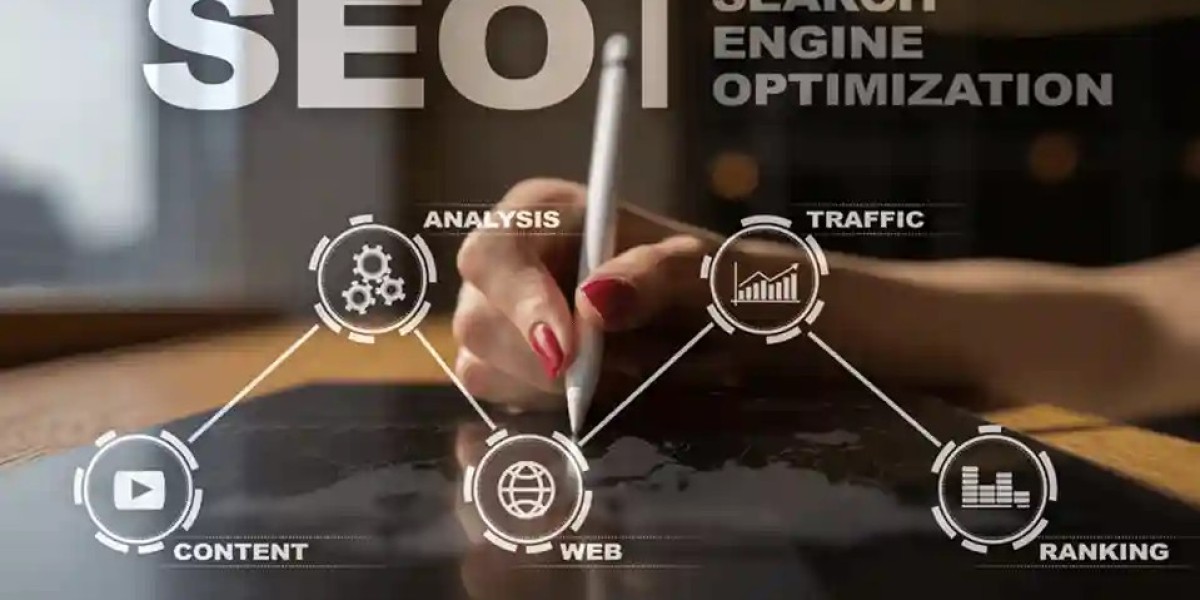

A website should do more than provide information about a business. It should help attract potential customers, answer their questions, build trust, and encourage them to take meaningful action. However, many businesses invest in website design and content without developing a strategy to generate consistent leads.
This is where search engine optimization becomes valuable. SEO helps businesses connect with people who are actively searching for relevant products, services, and solutions. By improving organic visibility and creating a better website experience, businesses can turn their websites into valuable channels for attracting potential customers.
Professional SEO services bring together keyword research, content optimization, technical improvements, and strategic link building to support this process. The objective is not simply to increase website traffic but to attract visitors who are more likely to become qualified leads.
Understanding the Connection Between SEO and Lead Generation
Lead generation is the process of attracting potential customers and encouraging them to express interest in a business's products or services. This may happen when someone submits a contact form, requests a quotation, books a consultation, downloads a resource, or calls a company.
SEO supports lead generation by making a website easier to discover when people search for relevant solutions.
For example, imagine a company providing website development services. A potential customer searching for website development for a small business may discover the company's service page through Google. If the page clearly explains the services, demonstrates experience, and provides an easy way to request a consultation, the visitor may become a lead.
This illustrates why search visibility and conversion opportunities should work together. Ranking for relevant searches brings potential customers to the website, while useful information and clear calls to action encourage them to take the next step.
Targeting Keywords That Attract Potential Customers
Not every website visitor has the same intention. Some people are researching a topic, while others are comparing providers or preparing to purchase a service.
An effective SEO strategy considers these differences when selecting keywords.
For example, someone searching for "what is email marketing" is probably looking for basic information. Another person searching for "email marketing agency for small businesses" may be closer to hiring a service provider.
Both searches can contribute to organic growth, but they require different content approaches.
Professional SEO services use keyword research to identify search terms based on relevance, search volume, competition, and user intent. This helps businesses prioritize keywords that connect with their actual services and commercial objectives.
Long-tail keywords can also provide valuable opportunities. These are more specific search phrases that often reveal a clearer customer requirement. Instead of targeting only a broad term such as "SEO agency," a company might target phrases related to local SEO services, technical SEO audits, or SEO for e-commerce websites.
A balanced keyword strategy helps businesses attract visitors at different stages of the buying journey and create more opportunities for qualified inquiries.
Creating Landing Pages That Encourage Inquiries
Landing pages play an important role in converting organic visitors into leads. A page may receive search traffic, but if it does not clearly explain what a business offers or how visitors can take action, it may generate limited inquiries.
Every important service should have a dedicated page that addresses the needs of its intended audience.
A strong service landing page generally includes:
A clear headline explaining the service.
An introduction that addresses the customer's problem.
A detailed explanation of available solutions.
Benefits that are relevant to the target audience.
Genuine testimonials, case studies, or other trust signals.
Frequently asked questions that address common concerns.
A visible call to action, such as requesting a quote or booking a consultation.
For example, a home renovation company should explain the types of renovation work it handles, its service areas, its working process, and how customers can request an estimate.
The content should focus on customer needs rather than simply repeating keywords. When visitors can quickly understand the service and its value, they have a clearer reason to contact the business.
Publishing Helpful Content to Build Trust
Potential customers rarely make every purchasing decision immediately. They often research their problems, compare available solutions, and look for businesses they can trust.
Helpful content gives companies an opportunity to support this research process.
A business can publish educational articles, detailed guides, comparison posts, and frequently asked questions that address the concerns of its target audience.
For example, a financial consulting firm might publish articles about budgeting, cash flow management, financial planning, and common accounting challenges. These resources can attract people researching financial issues while introducing them to the company's expertise.
Content should provide practical information rather than exist solely to include target keywords. Accurate explanations, relevant examples, clear structure, and original insights make resources more useful.
Internal linking can also connect informational articles with relevant service pages. Someone reading an article about business accounting challenges could follow a contextual link to learn about professional accounting support.
This creates a natural journey from information discovery to service consideration.
Improving Technical SEO for a Better Website Experience
Technical problems can affect both search visibility and the experience visitors receive after arriving on a website.
A website with broken links, inaccessible pages, confusing navigation, or slow loading times may struggle to keep visitors engaged. Even when a page attracts relevant organic traffic, technical issues can make it harder for users to explore the business's offerings.
Technical SEO helps identify and resolve these problems.
Important areas include:
Crawling and indexing to help search engines discover and understand important pages.
XML sitemaps to provide search engines with information about relevant website URLs.
Robots.txt to manage crawler access to website sections.
Canonical tags to indicate preferred versions of similar or duplicate pages.
Redirect management to guide visitors and search engines when URLs change.
Mobile usability to ensure that pages work properly across different screen sizes.
Website performance to improve loading and interaction experiences.
Businesses should also review Core Web Vitals and identify performance issues that may affect user experience.
A technically sound website creates a more reliable foundation for organic search and helps potential customers access important information without unnecessary friction.
Using Local SEO to Generate Location-Based Leads
For businesses serving specific cities or regions, local SEO can be an effective way to attract customers who are actively looking for nearby services.
People frequently use location-based searches when they need a service provider, repair company, healthcare professional, or other local business.
For example, someone searching for a car repair garage in a particular area may be looking for a provider they can contact immediately.
Businesses can improve their local search presence by maintaining accurate Google Business Profile information, optimizing relevant service and location pages, collecting genuine customer reviews, and ensuring consistent contact details across important online platforms.
Location pages should provide meaningful information about the services available in each area. Simply replacing city names across multiple identical pages does not create useful content for visitors.
A strong local SEO strategy makes it easier for nearby customers to discover a business, understand its services, and contact the right provider.
Building Authority With Relevant Backlinks
Trust is an important part of the customer decision-making process. People are more likely to consider a business when they can find useful information about its expertise, experience, and reputation.
Relevant backlinks can contribute to a website's wider SEO strategy. These are links from external websites pointing to pages on a business's website.
Quality backlinks can help search engines discover content and may contribute to a website's authority. They can also introduce a business to new audiences when links appear on relevant industry websites.
Businesses can earn backlinks through expert contributions, useful research, industry publications, digital PR, and relationship-based guest posting.
For instance, a technology company could contribute an informative article to a relevant technology publication. If the content provides genuine value to readers, it may help establish brand visibility and create a relevant referral traffic opportunity.
Professional SEO services can support link-building campaigns through competitor backlink analysis, publisher research, outreach, and content collaboration.
The focus should remain on relevant, editorially earned links rather than purchasing large quantities of low-quality backlinks.
Creating Clear Calls to Action
A website needs to guide visitors toward the next step. Without clear calls to action, potential customers may read the content and leave without contacting the business.
A call to action tells visitors what they can do next. Depending on the business model, this could include requesting a free consultation, submitting an inquiry, booking an appointment, downloading a guide, or asking for a price estimate.
The placement and wording of these actions matter.
For example, a professional service provider could include a consultation button near the beginning of its service page, followed by another relevant invitation after explaining its process and benefits.
Contact forms should also be straightforward. Asking visitors to provide too much information at the initial stage may discourage them from completing the form. Businesses should collect the details necessary to respond effectively without creating unnecessary barriers.
Phone numbers, email addresses, and contact options should be easy to locate, especially on mobile devices.
Clear calls to action help transform website visits into measurable business opportunities.
Measuring SEO Performance Beyond Website Traffic
A website receiving thousands of organic visits is not necessarily generating valuable leads. Traffic needs to be evaluated according to its relevance and contribution to business goals.
Businesses should monitor performance indicators that show whether their SEO strategy is attracting the right audience and encouraging meaningful actions.
Google Search Console helps track search impressions, clicks, click-through rates, and queries that bring visitors to a website through Google Search. Google Analytics can provide information about visitor behavior and conversions when tracking is properly configured.
Important lead generation metrics include:
Organic sessions and relevant landing-page traffic.
Contact form submissions.
Phone calls and consultation requests.
Conversion rate from organic visitors.
Qualified leads generated through search.
Cost per lead when comparing SEO with other marketing channels.
Revenue attributed to organic search where reliable tracking is available.
For example, a service page receiving 500 monthly visitors and generating 20 qualified inquiries may be more valuable than a blog post receiving 5,000 visitors but producing very few relevant leads.
This is why businesses should focus on the quality of organic traffic rather than relying entirely on visitor numbers or keyword rankings.
Why Professional SEO Services Support Consistent Lead Generation
Generating leads through organic search requires coordination between different areas of website optimization. Keyword research identifies opportunities, content answers customer questions, technical SEO improves accessibility, and conversion optimization encourages visitors to take action.
Managing all these activities without a clear strategy can make it difficult for businesses to identify priorities or measure progress.
Professional SEO services help companies develop a structured approach based on their industry, audience, competition, and business objectives.
An SEO strategy may begin with a website audit to identify technical issues and content gaps. The next steps could include keyword mapping, improving service pages, publishing useful resources, building relevant backlinks, and optimizing conversion paths.
Performance should then be reviewed regularly to understand which pages attract qualified visitors and where improvements are needed.
SEO is not an instant lead generation solution. Results depend on factors such as competition, website history, content quality, search demand, and the consistency of optimization efforts. However, ongoing improvements can help businesses develop a stronger organic channel over time.
Final Thoughts
Turning a website into a consistent lead generation channel requires more than attracting visitors from search engines. Businesses need to understand customer intent, create useful content, optimize important landing pages, maintain technical performance, and provide clear opportunities for visitors to get in touch.
SEO connects these activities by helping potential customers discover relevant solutions when they search online. With a well-planned strategy, a business website can become more than a digital brochure. It can serve as an ongoing source of qualified traffic, inquiries, and customer opportunities.
The real advantage of SEO comes from focusing on business outcomes rather than rankings alone. By measuring meaningful conversions and continuously improving the website experience, businesses can build a more reliable foundation for long-term lead generation.
Read More Read More Read More Read More Read More Read More Read More
Read More Read More Read More Read More Read More Read More Read More
Read More Read More Read More Read More Read More Read More Read More
Read More Read More Read More Read More Read More Read More Read More
Read More Read More Read More Read More Read More Read More Read More
Read More Read More Read More Read More Read More Read More Read More
Read More Read More Read More Read More Read More Read More Read More
Read More Read More Read More Read More Read More Read More Read More