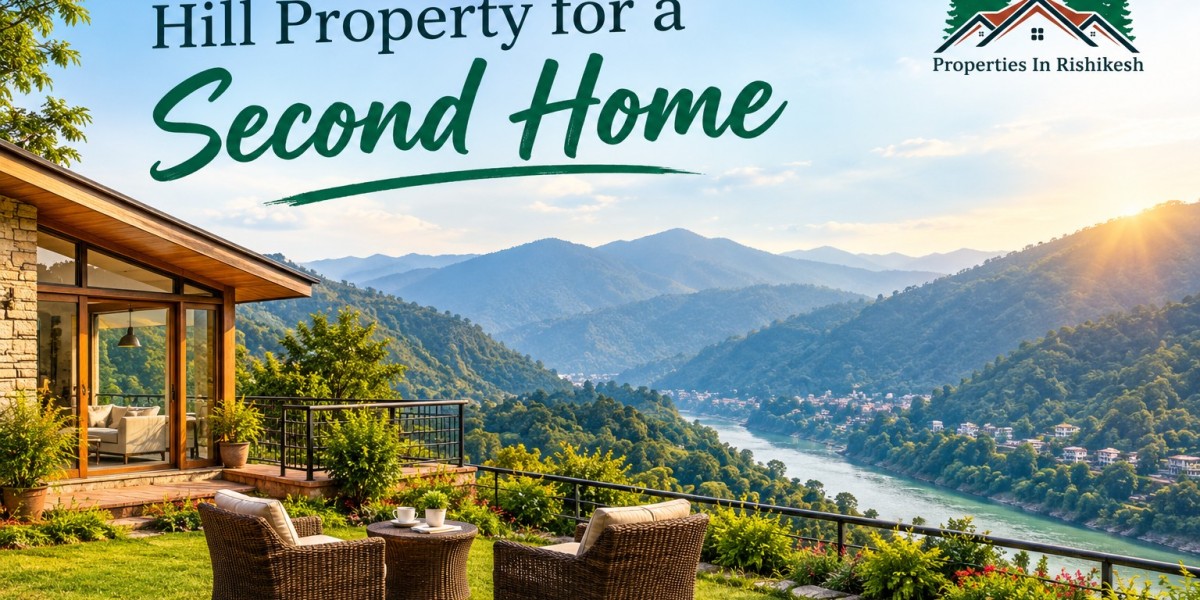

Buying land in a mountain region can be an exciting decision. However, hillside locations require more attention than ordinary residential areas. Buyers must study the terrain, ownership records, road access, and local regulations. Plots In Rishikesh can attract buyers who want a peaceful location or a long-term investment. Yet, a beautiful view should never become the only reason behind a purchase. Careful research can help buyers avoid costly mistakes.
Understand the Land Before Making an Offer
Hill properties often have different ground conditions. Some plots sit on gentle slopes, while others have steep surfaces. These differences affect construction costs and building designs.
Buyers should examine the land during an actual site visit. They should check the slope, soil condition, nearby trees, and surrounding structures. A civil engineer or qualified surveyor can provide useful advice.
Avoid making decisions based only on photographs. Pictures may not show drainage problems, uneven ground, or access difficulties. Visit the property in person before paying an advance.
Check Ownership Documents and Legal Status
Legal verification should happen before any financial commitment. Buyers must confirm the seller's ownership and the property's legal status.
Ask for the following documents:
- Registered sale deed or relevant ownership records.
- Latest land revenue records.
- Khasra and Khatauni details, where applicable.
- Mutation records.
- Approved land-use documents.
- Previous ownership documents.
- Encumbrance and dispute information.
A local property lawyer can examine these records. The lawyer should also verify whether the seller has the right to transfer the land.
Hill districts may have specific land purchase restrictions. Rules can differ according to location, land category, and buyer eligibility. Therefore, verify the latest applicable regulations before proceeding.
Study Road Connectivity and Accessibility
Road access plays an important role in hill property ownership. A location may look attractive but remain difficult to reach.
Check whether the property has a legally recognised approach road. Ask about road ownership, width, maintenance, and seasonal conditions.
Some mountain roads become difficult during heavy rainfall. Landslides, road repairs, and traffic restrictions can affect daily movement.
Buyers should also check the distance from important facilities. Hospitals, schools, grocery shops, and public transport can influence everyday convenience.
Locations such as Narendra Nagar and Devprayag offer different surroundings and travel conditions. Compare actual connectivity before choosing either area.
Examine Water Supply and Drainage
Water availability deserves special attention in mountain regions. Not every property has access to a reliable municipal supply.
Ask the seller about existing water connections. Check whether the location depends on natural springs, storage tanks, or private arrangements.
Drainage also needs careful inspection. Rainwater can move quickly along slopes and create pressure around buildings.
Poor drainage may damage foundations, retaining walls, and nearby land. Buyers should ask about existing drainage channels and suitable water disposal arrangements.
A technical inspection can identify possible concerns before construction begins.
Understand Construction Rules and Local Permissions
Not every vacant plot allows unrestricted construction. Local authorities may apply building regulations according to land classification and location.
Buyers should verify:
- Permitted land use.
- Building approval requirements.
- Maximum construction limits.
- Setback requirements.
- Environmental restrictions.
- Road access conditions.
- Applicable safety standards.
Do not assume that an existing structure has received proper approval. Request supporting documents from the seller.
Anyone planning a holiday home should consider these requirements early. Future construction plans must match the property's legal permissions.
Consider the Purpose of Your Investment
Every buyer has different expectations. Some want a permanent residence, while others prefer a holiday home or rental property.
A family home requires convenient access to daily facilities. A retirement home may need nearby healthcare services. Rental investments require demand, accessibility, and proper property management.
Villas In Rishikesh may interest buyers who prefer independent homes and private outdoor spaces. However, buyers should compare maintenance expenses and rental demand before investing.
Properties near Tapovan may attract different visitors than those in quieter mountain settlements. The intended use should guide the location choice.
Calculate the Complete Investment Cost
The purchase price does not represent the total investment. Buyers must prepare a realistic budget for additional expenses.
These may include:
- Stamp duty and registration charges.
- Legal verification fees.
- Survey and inspection costs.
- Site development expenses.
- Retaining wall construction.
- Water and electricity connections.
- Building permissions.
- Regular maintenance.
Hill construction can require special foundations and slope protection. These features may increase the overall budget.
Obtain estimates from qualified professionals before finalising the purchase. Keep an additional reserve for unexpected work.
Evaluate Future Resale Possibilities
A property should also make sense from a future ownership perspective. Buyers may eventually decide to sell, transfer, or develop their land.
Good road connectivity, clear documents, usable land, and nearby facilities can support resale interest.
Haridwar, Tehri, and Jim Corbett have different property markets and development patterns. Buyers should study local demand rather than assume every hill location will appreciate.
Avoid relying on guaranteed return claims. Property values can change with infrastructure, regulations, and market conditions.
Make a Decision After Proper Verification
A successful hill property purchase requires more than selecting an attractive location. Buyers need legal clarity, suitable terrain, dependable access, and realistic development plans. Properties in Rishikesh may offer different opportunities across residential and investment categories. However, each property deserves an independent assessment. Compare the documents, visit the site, and consult qualified local professionals. A well-checked purchase can provide greater confidence and reduce future complications.
Final Thought
Mountain living can offer a different lifestyle, but responsible buying starts with practical research. Take enough time to verify every important detail. A careful decision today can protect your investment for years.








