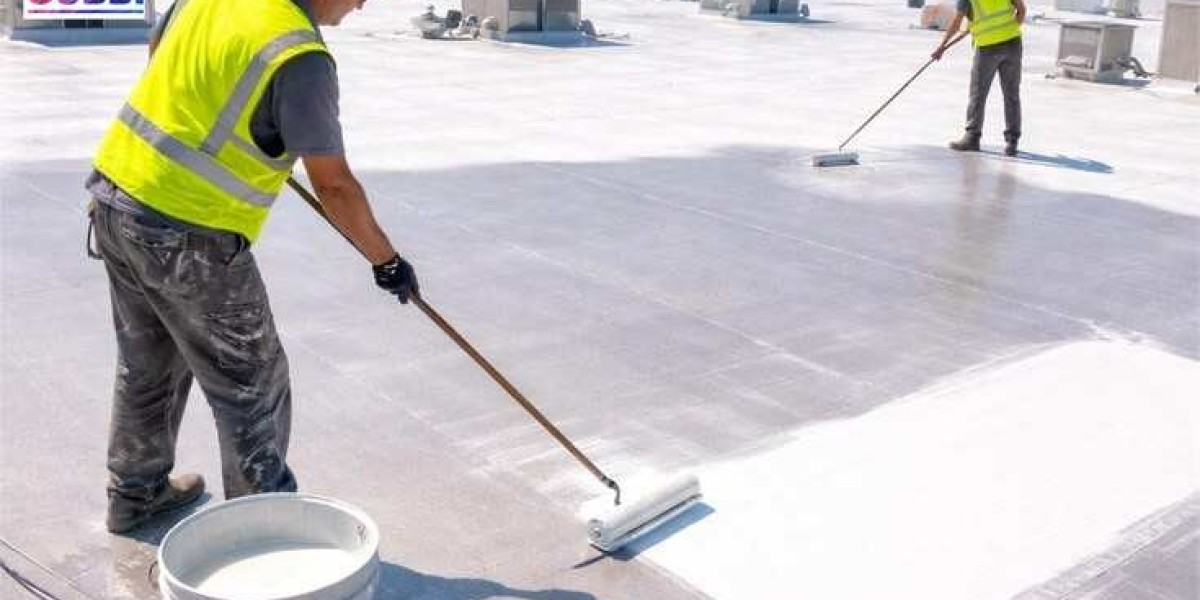

Roof leakage and terrace water seepage are common problems in buildings exposed to heavy rainfall, temperature changes, and continuous moisture. Even a small crack in a concrete roof can allow water to enter and gradually damage ceilings, walls, and interior finishes. Understanding the causes of leakage, selecting suitable waterproofing materials, and maintaining proper drainage can help commercial and industrial property owners protect their buildings from recurring water-related problems. Roof waterproofing services help prevent rainwater from penetrating concrete slabs, roofing systems, and other exposed surfaces. These services involve identifying vulnerable areas, repairing damaged sections, and applying suitable waterproofing treatments. Terrace waterproofing services are particularly important for flat roofs, where standing water can increase the risk of seepage. Choosing an appropriate system based on surface conditions, water exposure, and building requirements helps improve protection and reduce repeated repair work.
Why Do Roofs and Terraces Develop Leakage Problems?
1. Cracks in Concrete Roof Slabs
Concrete roof slabs are continuously exposed to sunlight, rainfall, and temperature fluctuations. Over time, these conditions can contribute to cracking, especially when concrete quality, curing, or construction practices are inadequate. Water can enter through these openings and reach the ceiling or walls below. Timely inspection and appropriate crack treatment help address potential leakage pathways before moisture penetration causes more extensive deterioration.
2. Poor Drainage and Water Ponding
Inadequate roof slope, blocked drainage outlets, and poorly positioned rainwater pipes can prevent water from draining efficiently. When water remains on a terrace for extended periods, it increases exposure to moisture and places greater demands on the waterproofing layer. Regularly cleaning drainage outlets and checking the roof gradient can help prevent water accumulation. Correcting drainage problems is often necessary before installing a new waterproofing system.
3. Deterioration of Existing Waterproofing
Waterproofing coatings and membranes can deteriorate because of ageing, ultraviolet radiation, physical damage, and repeated temperature changes. Poor surface preparation or incorrect application can also cause peeling, blistering, and loss of adhesion. When an existing waterproofing system begins to fail, applying another layer without investigating the underlying condition may provide only temporary relief. Proper assessment helps determine whether local repairs or complete replacement is necessary.
4. Weak Joints and Pipe Connections
Roof slabs contain several vulnerable locations, including construction joints, expansion joints, drainage outlets, and plumbing penetrations. Water may enter through these areas when sealing materials deteriorate or the original detailing is inadequate. The junction between the terrace floor and parapet wall also requires careful attention. Treating these locations with compatible sealants and suitable waterproofing details helps create a more continuous barrier against moisture penetration.
Common Signs That Indicate Roof Waterproofing Is Needed
Ceiling Dampness and Water Stains
Brown patches, damp marks, and peeling paint on ceilings may indicate water entering from the roof or terrace above. However, the visible stain does not always identify the actual entry point because moisture can travel through concrete before appearing indoors. A proper inspection should examine the roof surface, drainage arrangements, joints, and nearby plumbing. Identifying the source before starting repairs helps prevent unnecessary treatment of unaffected areas.
Wall Seepage and Paint Peeling
Moisture entering through roof edges, parapet walls, or terrace junctions can spread into adjoining walls. Common warning signs include bubbling paint, deteriorating plaster, damp patches, and white mineral deposits on the surface. Repainting alone will not resolve the underlying problem if water continues to enter the building. Addressing the external moisture source and allowing affected materials to dry properly are important steps in preventing repeated damage.
Musty Odours and Persistent Dampness
Persistent moisture inside a building can create unpleasant odours and encourage mould growth in suitable conditions. Storage areas, plant rooms, staircases, and rooms beneath leaking terraces may be particularly affected when ventilation is limited. These conditions can interfere with building use and increase maintenance requirements. Investigating roof leakage early helps reduce prolonged dampness and supports a cleaner indoor environment.
Different Types of Roof Waterproofing Methods
1. Liquid Waterproofing Membrane
Liquid-applied waterproofing systems form a continuous protective layer after the material cures. Depending on the formulation, these coatings may offer flexibility and good adhesion to properly prepared concrete surfaces. They can be useful on roofs with multiple corners, service penetrations, and irregular details. The selected product must suit the exposure conditions, expected movement, drainage performance, and intended use of the roof.
2. Polyurethane Waterproofing Coating
Polyurethane, commonly called PU waterproofing, is used where a flexible waterproofing layer is required. Depending on the product specification, it can accommodate certain movements in the substrate and provide protection against water penetration. Successful application depends on moisture conditions, surface preparation, coating thickness, and curing requirements. Professional assessment is important when selecting PU systems for exposed industrial roofs or terraces subject to regular foot traffic.
3. Bituminous Waterproofing Membrane
Bituminous membranes are supplied in sheet form and are used in various roof waterproofing applications. Modified bitumen membranes can provide a continuous barrier when correctly installed with properly treated overlaps, edges, and penetrations. Some systems require heat application, which introduces additional safety considerations during installation. The suitability of a bituminous membrane depends on the roof construction, surface condition, environmental exposure, and the protective finish specified for the project.
4. Cementitious Waterproofing
Cementitious waterproofing materials are cement-based formulations designed to reduce water penetration when applied to suitable substrates. Certain polymer-modified products can improve adhesion and performance for specific applications. These systems may be appropriate where compatibility with concrete or cement-based finishes is important. However, the expected movement of the surface and the possibility of standing water must be considered before selecting a cementitious treatment for an exposed terrace.
5. Traditional Terrace Waterproofing Systems
Traditional methods, including brick-bat coba and other terrace treatments, have been used in Indian buildings for many years. Their performance depends on correct construction, suitable materials, adequate drainage, and proper treatment of joints. Existing traditional terrace layers may require repair or replacement when cracks, trapped moisture, or poor slopes contribute to leakage. An inspection helps determine whether the existing system can be retained or needs a different waterproofing approach.
How to Choose the Right Waterproofing System
Selecting the right waterproofing system requires more than comparing product prices or coating types. The decision should consider whether the surface is new or existing, whether it receives direct sunlight, and whether people or equipment regularly use the roof. Drainage conditions, crack patterns, substrate moisture, and the proposed finishing layer also influence performance. A solution selected for the actual site conditions is more likely to provide effective and maintainable protection.
For example, an exposed industrial roof with several equipment supports may require a different system from a tiled terrace or a roof with frequent maintenance access. Flexible membranes can be considered where movement and detailing require them, while other systems may suit stable concrete surfaces. The expected service conditions, installation requirements, and compatibility with existing materials should guide the selection. A qualified contractor can evaluate these factors before recommending the treatment.
When comparing terrace waterproofing contractors, property owners should review their inspection process, understanding of concrete conditions, proposed treatment sequence, and experience with similar projects. Gubbi Civil Engineers Limited can be considered for industrial, commercial, and infrastructure-related civil repair and waterproofing requirements. Before proceeding, discuss the site's leakage history, existing surface condition, drainage concerns, and intended usage. A clear technical proposal helps establish the work scope, material selection, execution process, and maintenance expectations.
The Importance of Surface Preparation Before Waterproofing
Surface preparation is a critical part of any roof waterproofing project because coatings and membranes must be installed on a suitable base. Dust, loose concrete, deteriorated coatings, oil, and other contaminants can interfere with adhesion. Before application, the surface should be inspected and prepared according to the selected system's requirements. Existing damage must also be assessed so that the waterproofing layer is not expected to compensate for unresolved substrate problems.
Cracks, joints, and damaged concrete may require separate treatments before the main waterproofing application begins. The repair method should depend on the crack's width, depth, movement, and possible structural significance. Active movement or suspected structural distress requires appropriate technical assessment rather than simply filling the opening. Completing these preparatory tasks helps improve system continuity and reduces the risk of premature failure caused by defects beneath the waterproofing layer.
Roof Waterproofing for Industrial and Commercial Buildings
Industrial and commercial buildings often have large roof areas, service installations, ventilation equipment, and drainage networks. Leakage can affect production spaces, electrical installations, stored materials, and routine operations. For these facilities, waterproofing planning should consider the consequences of water ingress as well as the condition of the roof itself. Suitable treatment can help protect building assets and reduce disruptions associated with recurring leakage and emergency maintenance.
Factories, warehouses, office buildings, and institutional facilities may have different roofing arrangements and exposure conditions. Some roofs experience regular maintenance traffic, while others support pipes, cooling equipment, or other building services. The waterproofing system must be compatible with these conditions and allow necessary maintenance access. For large facilities, dividing the roof into inspection zones can help identify recurring problem areas and establish a practical maintenance schedule.
Terrace Waterproofing for Tiled and Finished Surfaces
Terraces finished with tiles can develop leakage even when the visible flooring appears intact. Water may enter through deteriorated joints, cracks in the underlying screed, poorly sealed edges, or defective drainage details. Tiles and grout should not automatically be treated as the only waterproofing barrier. Understanding the construction below the finish is important because the actual moisture entry point may remain hidden until leakage becomes visible inside the building.
When leakage occurs beneath terrace tiles, the appropriate repair depends on the condition of the tiles, bedding, waterproofing layer, and substrate. Localised repairs may be possible when the damage is limited and the surrounding system remains sound. More extensive deterioration may require removing sections of the finish to access the affected layers. The proposed method should balance effective leak prevention with the condition of the existing terrace and the practical requirements of the building.
The Role of Drainage in Preventing Terrace Leakage
Waterproofing and drainage work together to protect a roof from water penetration. Even a suitable membrane can face unnecessary stress if outlets become blocked or the terrace allows water to collect in low spots. Drainage inspections should check outlet openings, rainwater pipes, slope direction, and areas where debris accumulates. Correcting these problems helps water move away from the surface instead of remaining near vulnerable joints and connections.
The roof slope should direct water towards properly positioned drainage outlets without creating persistent ponding areas. Where the existing gradient is inadequate, correcting the slope may be necessary before installing a replacement waterproofing system. Drainage capacity should also be considered in relation to roof size and local rainfall conditions. These measures form part of a complete leakage-prevention strategy rather than relying on the waterproofing material alone.
Common Waterproofing Mistakes to Avoid
One frequent mistake is applying a new coating directly over a damaged or unsuitable surface without investigating the cause of leakage. Another is selecting materials solely because they are inexpensive or advertised as suitable for every roof. In practice, waterproofing systems have different requirements and limitations. Incorrect application thickness, insufficient curing, untreated joints, and poor detailing can all affect performance. Following the product specifications and completing the necessary repairs helps reduce these avoidable problems.
Another common issue is neglecting inspection after the waterproofing work is completed. The finished surface should be checked for visible defects, incomplete coverage, and poorly treated junctions. Where appropriate, a controlled water test can be arranged after the material has cured, subject to the system specifications and the roof's structural capacity. Documenting the work and following the contractor's maintenance guidance also helps building owners manage future inspections and repairs.
How Regular Maintenance Extends Waterproofing Performance
Regular roof inspections can identify early warning signs before they develop into larger leakage problems. Building owners should check for cracks, peeling coatings, loose protective finishes, damaged sealants, and blocked rainwater outlets. Inspections are particularly useful before and after the monsoon season, when rainfall and water accumulation may reveal weaknesses. Keeping records of previous repairs can also help identify recurring locations and support better maintenance planning.
Maintenance requirements vary according to the waterproofing system, weather exposure, roof usage, and surrounding building conditions. Some surfaces may need periodic coating inspections, while others require closer attention to membrane edges, protective layers, and joints. Any repair should use materials compatible with the existing system. Instead of waiting for water to appear on the ceiling, scheduled inspections allow potential problems to be addressed while the affected area remains manageable.
Understanding the Cost of Terrace Waterproofing Services
The cost of terrace waterproofing services depends on several factors, including the total roof area, existing surface condition, type of waterproofing material, and amount of repair work required. A roof with widespread deterioration may need more preparation than a surface with limited damage. Access arrangements, drainage improvements, protective screeds, and finishing requirements can also influence the overall project cost. Therefore, an accurate estimate should be based on a site inspection.
Property owners should compare quotations by reviewing the complete scope rather than choosing the lowest amount alone. Important details include surface preparation, crack treatment, number of coats or membrane layers, junction detailing, testing arrangements, and applicable warranty conditions. A clearly defined scope helps prevent misunderstandings during execution. Investing in a technically suitable treatment can reduce repeated repair expenses, although the expected service life will depend on workmanship, materials, exposure, and maintenance.
Preparing Your Building for the Monsoon Season
Preparing a roof before the monsoon involves checking more than visible cracks or damaged paint. Drainage outlets should be cleared, old waterproofing should be inspected, and vulnerable joints should receive appropriate attention. Any persistent leakage should be investigated before heavy rainfall makes repairs more difficult. Early planning also allows building owners to arrange inspections, select suitable materials, and schedule work according to weather conditions and product curing requirements.
For buildings with a history of recurring seepage, monsoon-ready roof protection should include a review of previous repair locations and any areas where water regularly accumulates. Maintenance teams should also check roof penetrations, parapet junctions, and rainwater pipes. A planned inspection before the rainy season can help identify defects that might otherwise remain unnoticed. The objective is to address the underlying causes of leakage instead of repeatedly treating the visible symptoms.
Roof and terrace leakage can affect concrete surfaces, interior finishes, building operations, and long-term maintenance budgets. Understanding the causes of water seepage makes it easier to choose suitable repair methods and waterproofing systems. Proper drainage, careful surface preparation, compatible materials, and attention to vulnerable joints all contribute to better results. Regular inspections are equally important because even well-installed waterproofing systems require maintenance according to their exposure and service conditions.
Choosing experienced terrace waterproofing contractors can help property owners evaluate the roof's current condition and plan the appropriate treatment. Whether the requirement involves an industrial facility, commercial building, warehouse, or existing concrete terrace, the solution should be based on the site's specific needs. A systematic approach to inspection, repair, waterproofing, and maintenance can help reduce recurring leakage and support the continued performance of the building.