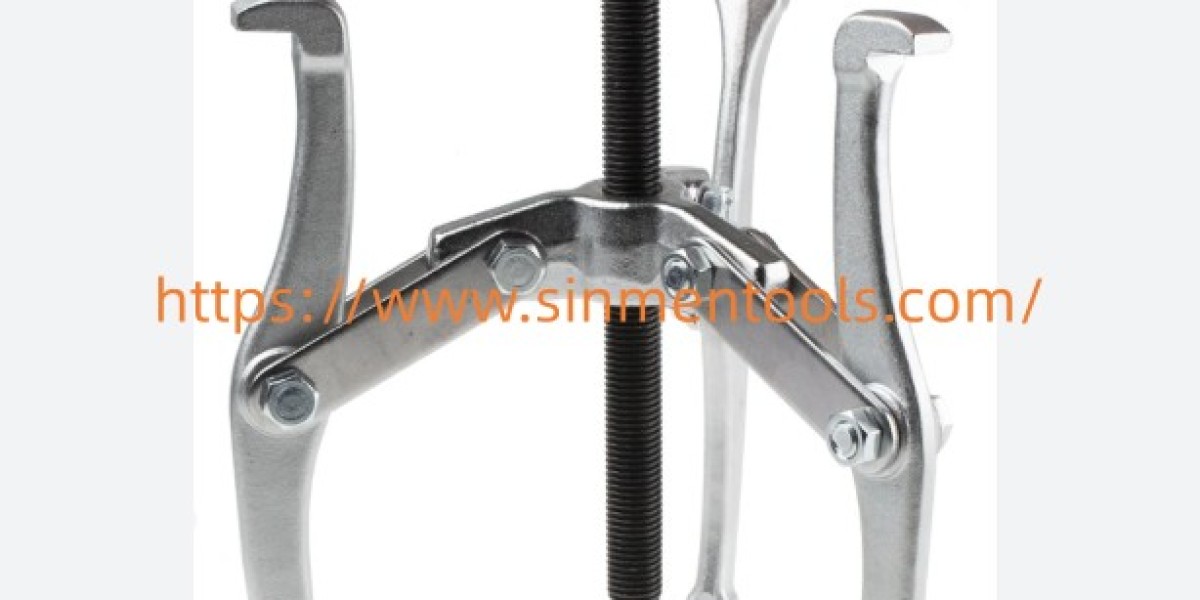

Automotive assemblies rely on bushings to support controlled movement between connected parts, and their condition can influence how a vehicle feels and operates. When a bushing needs replacement, technicians must work carefully around the surrounding housing and adjacent components. Selecting a Bushing Press Kit involves considering more than the number or appearance of its pieces; the quality of its materials, the way its adapters interact, and its suitability for the repair all matter. A well-matched tool can help organize the replacement process and support controlled movement of the component during removal or installation.
The materials used in a press tool contribute to its structural integrity and working life. Steel is often selected for components that carry pressing loads, while the design of each piece determines how force is transferred through the assembly. Sleeves, plates, threaded elements, and adapters need to maintain suitable contact with the parts being serviced. Their surfaces should be finished in a way that supports proper fit and handling. Protective coatings may also help reduce the effects of moisture and workshop exposure during storage. Buyers should assess the quality of the complete tool, since the performance of one component depends on how it works with the others.
A useful selection process starts with identifying the bushing and its location within the vehicle. Bushings can be installed in different types of assemblies, and their surrounding housings may require different approaches during service. Technicians should consult vehicle repair information and the tool maker’s application guidance before choosing equipment. It is also helpful to understand whether the work will be performed on a component removed from the vehicle or within a more restricted working area. For workshops serving a variety of vehicles, clear identification of adapters and application information can simplify equipment selection and help avoid using an unsuitable arrangement.
The tool’s functional design determines how pressing force is applied. A typical setup uses a pressing element to move the bushing while a receiving component provides space for it to travel. Adapters help establish the contact points between the tool, bushing, and surrounding assembly. When the components are correctly matched, force can be applied along the intended path rather than against unrelated surfaces. Alignment is especially important because an angled setup may cause the bushing to bind or move unevenly. The tool should be assembled according to its instructions, and technicians should stop if the arrangement shifts, becomes unstable, or does not behave as expected.
Ease of use can make a difference in a busy repair environment. Clearly organized components help technicians identify the parts needed for a task, while practical storage can reduce time spent searching for adapters. Smooth handling surfaces and accessible operating points may also make setup more straightforward. Instructions should communicate the correct assembly method and explain how the tool is intended to contact the workpiece. A consistent workflow can be useful when several technicians share equipment, since it supports repeatable preparation and inspection practices. Even with a convenient design, users should follow the vehicle manufacturer’s service procedures and use appropriate protective equipment.
Tool care is another part of dependable workshop operation. Before starting a job, technicians should inspect the working surfaces, threaded parts, sleeves, and adapters for damage, deformation, or unusual wear. Dirt and residue should be removed after use so that contact areas remain easy to examine. If the tool includes a threaded mechanism, cleaning or lubrication should follow the manufacturer’s recommendations. Components should be stored in a way that prevents them from being lost, mixed with unrelated parts, or damaged by impact. Any part that appears compromised should be removed from service until its condition has been evaluated.
The visual and physical organization of a press kit can affect how it is stored, transported, and used. A coordinated set of adapters can make the equipment easier to recognize, while a fitted case or compartment system can keep components arranged between jobs. Clear markings, where provided, can help users distinguish similar pieces without relying only on visual guesswork. A tidy exterior and consistent finish may also support easier inspection by making damage or contamination more noticeable. These design details are practical rather than merely decorative: they can help a workshop maintain order and keep equipment ready for the next repair.
Taizhou Xinming Technology Co., Ltd. develops automotive tools for repair and maintenance work. Buyers exploring bushing service equipment can discuss their intended applications, workshop procedures, component organization, and expectations for tool construction when reviewing available options. Confirming the intended use and checking product guidance before beginning a repair can help ensure that equipment is selected appropriately for the task. More information about the company and its automotive tool range is available at https://www.sinmentools.com/.