
Breast reduction surgery can help women achieve smaller, lighter, and more proportionate breasts while improving physical comfort and body confidence. However, because the procedure involves surgical incisions, scars are a natural part of the healing process. Proper scar care is important for supporting skin recovery and improving the appearance of incision lines over time. Breast reduction surgery in Riyadh (عملية تصغير الصدرفي الرياض) requires patients to follow appropriate postoperative instructions, protect healing skin, and give their bodies enough time to recover.
Breast reduction scars may initially appear red, raised, or darker than the surrounding skin. Their appearance generally changes as the body produces new tissue and repairs the incision areas. Although scars cannot usually be removed completely, consistent care may help them become softer, flatter, and less noticeable. Patients undergoing Breast reduction surgery in Riyadh should understand that scar healing varies depending on skin type, surgical technique, overall health, and individual healing ability.
Why Is Scar Care Important After Breast Reduction Surgery?
Scar care plays an important role in the overall recovery process because surgical incisions need time and protection to heal properly. Following the surgeon's instructions helps reduce unnecessary irritation and supports healthy skin repair. Appropriate care may also lower the risk of wound complications that can affect the final appearance of scars.
Patients should remember that scar improvement is gradual. Even with proper care, scars may remain visible, but their color, texture, and thickness often change over several months.
How Should You Care for Breast Reduction Scars?
Following a consistent postoperative routine can help protect healing incisions and support better scar development.
Keep the Incision Area Clean
Keeping the surgical area clean helps reduce the risk of infection and irritation. Patients should follow their surgeon's instructions about bathing, changing dressings, and cleaning the incision areas. Avoid scrubbing or applying harsh products directly to healing wounds.
Follow Dressing Instructions
Dressings protect the incision areas during the early healing period. Patients should change or remove them only according to medical instructions. Avoid pulling at surgical tapes, stitches, or wound coverings unless the medical team advises you to do so.
Avoid Picking or Scratching Scars
Healing incisions may feel itchy or tight, but scratching, rubbing, or picking at the skin can irritate the area. These actions may interfere with healing and increase the risk of infection or noticeable scarring. If itching becomes uncomfortable, discuss suitable options with your surgeon.
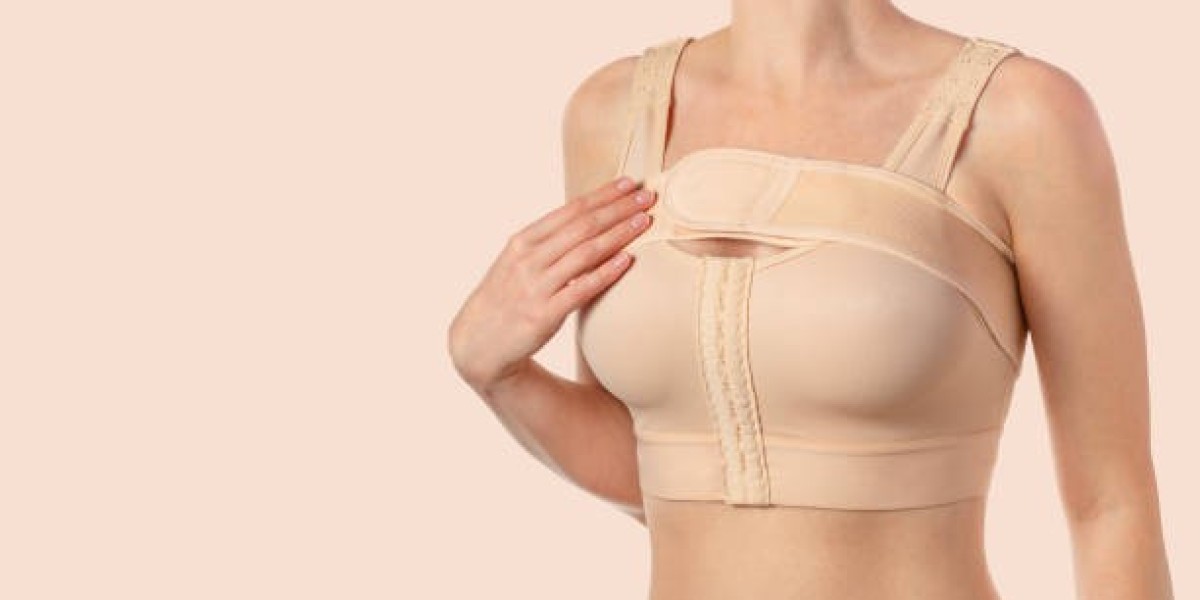
Wear a Supportive Surgical Bra
A recommended surgical bra provides support and helps limit unnecessary breast movement during recovery. Reducing friction and pressure around the incision areas may improve comfort while tissues heal. Patients should follow the surgeon's guidance about how long to wear the garment.
Can Silicone Gel Help Reduce Breast Reduction Scars?
Silicone gel and silicone sheets are commonly used for managing certain types of scars. They may help improve scar hydration, texture, and appearance over time. However, these products should only be applied after the incisions have completely closed and the surgeon confirms that they are suitable.
Patients should use silicone products according to the recommended instructions and understand that results vary. They do not completely erase scars, but they may help make some scars less noticeable with consistent use.
How Can You Protect Breast Reduction Scars From Sun Exposure?
Sun exposure can cause healing scars to become darker and more noticeable. Protecting the incision areas from direct sunlight is therefore an important part of scar care. Patients should keep healing scars covered when possible and use an appropriate broad-spectrum sunscreen once the skin has fully closed and the surgeon approves its application.
Avoid tanning beds and prolonged direct sunlight during the healing period. Continued sun protection may help reduce unwanted pigmentation changes as scars mature.
What Lifestyle Habits Support Better Scar Healing?
Healthy lifestyle habits can support the body's natural tissue-repair process. Patients can consider the following practices:
Eat a balanced diet: Include protein, fruits, vegetables, and other nutrient-rich foods to support healing.
Stay hydrated: Adequate fluid intake supports general health and normal body functions.
Avoid smoking and nicotine: These can reduce blood circulation and interfere with wound healing.
Get enough rest: Proper rest gives the body time to repair tissues.
Maintain a stable weight: Significant weight fluctuations may affect breast shape and skin appearance.
Attend follow-up appointments: Regular medical assessments help monitor incision healing and identify concerns early.
How Long Does It Take for Breast Reduction Scars to Heal?
Scar healing happens gradually and can continue for a year or longer. During the first few weeks, incision lines may appear red, raised, or slightly swollen. Over the next several months, scars often become softer and their color may gradually fade. Some scars remain visible even after complete maturation.
The final appearance depends on the surgical technique, skin characteristics, incision placement, and individual healing response. Patients should avoid expecting immediate changes and follow their surgeon's recommendations throughout recovery.
What Should You Avoid While Caring for Surgical Scars?
Certain activities and products may interfere with incision healing. Patients should avoid applying unapproved creams, oils, exfoliants, or chemical treatments to healing wounds. Scratching, excessive rubbing, and exposing fresh incisions to direct sunlight should also be avoided.
Strenuous exercise and activities that stretch the chest area may place tension on healing incisions. Patients should resume physical activities gradually and only after receiving medical approval.
When Should You Contact Your Surgeon About Breast Reduction Scars?
Some mild itching, tenderness, and redness can occur during normal healing. However, increasing pain, spreading redness, warmth, fever, unusual discharge, wound separation, or sudden swelling should be reported to the surgeon promptly. These symptoms may indicate infection or another healing complication that requires medical assessment.
Scar Care After Breast Reduction Surgery in Riyadh
Women considering Breast reduction surgery in Riyadh should discuss scar placement, healing expectations, and postoperative care before undergoing the procedure. A qualified plastic surgeon can recommend suitable incision-care methods and explain when scar-management products may be appropriate. Personalized guidance helps patients understand how to protect healing skin and manage scars throughout recovery.
Book Your Appointment at Royal Clinic Saudia
If you are considering breast reduction and want to understand the recovery process and scar-care requirements, a professional consultation can help you prepare. Royal Clinic Saudia (عيادات رويال كلينك) offers personalized aesthetic guidance to discuss surgical options, expected results, and postoperative care. Schedule an appointment to discuss your concerns and receive recommendations based on your individual needs.
FAQs:
How can I make breast reduction scars less noticeable?
Following wound-care instructions, protecting scars from sunlight, avoiding smoking, and using surgeon-approved silicone products after complete wound closure may help improve their appearance.
When can I start using scar cream after breast reduction?
Scar products should generally be used only after the incisions have fully closed and your surgeon confirms that the skin is ready. Starting too early may irritate healing wounds.
Do breast reduction scars disappear completely?
No, surgical scars usually do not disappear completely. However, they often become flatter, softer, and less noticeable as they mature.
Is itching normal while breast reduction scars heal?
Mild itching can occur as the skin heals. Avoid scratching the area, and contact your surgeon if itching is severe or accompanied by increasing redness, pain, or unusual discharge.