
Introduction: The Industrial Need for Safe Vertical Access
Industrial facilities, logistics hubs, and commercial construction sites require reliable, efficient solutions for working at height. Traditional fixed scaffolding structures can be slow to erect, labor-intensive, and restrictive to site ground traffic. Modern industrial operations rely on mobile powered access platforms to streamline elevated maintenance and construction tasks.
Managing a modern fleet involves selecting the right manlift machine, evaluating long-term capital investments when searching for a man lift for sale, and ensuring workforce teams complete certified operator safety training. This comprehensive guide reviews machine categories, purchasing dynamics, and operator safety management.
Categorizing Powered Access Machinery
Choosing the right vertical or high-reach machinery requires matching platform mechanics to your site layout and operational needs:
Key Machinery Categories
Electric Slab Scissor Lifts: Equipped with quiet battery-electric drives and non-marking solid rubber tires, these units operate cleanly inside enclosed warehouses, retail hubs, and operational manufacturing plants.
Rough-Terrain Diesel Scissors: Feature heavy-duty 4WD engine drives, deep-tread tires, and automatic hydraulic leveling outriggers designed to handle unpaved soil, mud, and uneven outdoor construction sites.
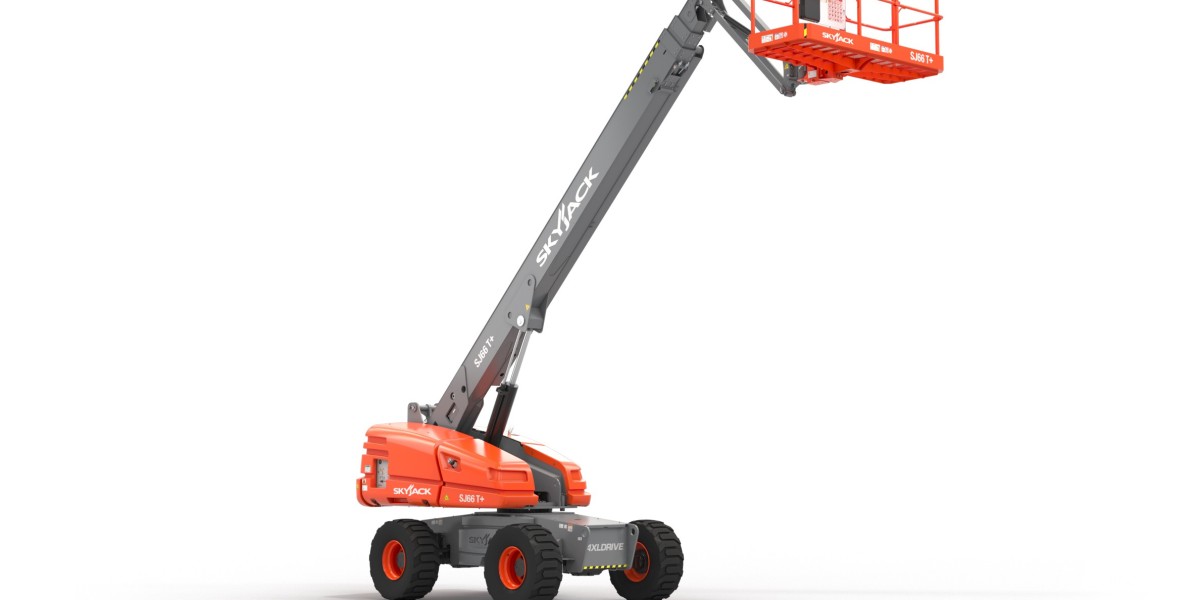
Articulating and Telescopic Booms: Provide extended horizontal reach and up-and-over clearance to position technicians precisely over overhead piping networks, structural trusses, and roof edges.
Financial Analysis: Capital Purchasing & Pricing Factors
When managing long-term assets and evaluating the manlift machine price across regional equipment markets, procurement teams should analyze total operational costs alongside initial purchase prices.
Key Cost Factors in Equipment Sourcing
New vs. Pre-Owned Equipment: Purchasing pre-owned, workshop-tested units helps growing businesses build fleet equity while avoiding early asset depreciation.
Battery Technology Innovations: Modern lithium-ion powered electric units carry higher initial prices than standard lead-acid models, but offer faster recharge cycles, zero battery maintenance, and longer daily operating hours.
Service and Parts Support: Ensure the selected equipment brand is backed by local technical support, accessible OEM replacement parts, and qualified field service technicians.
| Investment Factor | Direct Capital Purchase | Operational Hire / Rental |
| Upfront Financial Outlay | High Initial Capital Investment | Low Initial Expenditure (Predictable OPEX) |
| Machinery Asset Ownership | Builds Long-Term Company Equity | No Asset Ownership |
| Maintenance Responsibility | Internal Workshop & Technical Team | Handled Entirely by Rental Provider |
| Fleet Flexibility | Fixed Fleet Inventory | Scalable Fleet Count Based on Project Needs |
Prioritizing Safety: Enrolling in Local Accredited Training
Acquiring high-quality equipment is only half the equation; safe site execution depends on operator competence. Enrolling technicians in accredited ipaf training near me courses ensures workers develop practical machine handling skills, hazard awareness, and emergency response capabilities.
Essential Components of Certified Operator Training
Pre-Use Mechanical Checks: Inspecting hydraulic lines, fluid levels, structural pins, emergency stop switches, and basket control panels before shift start.
Site Hazard Audits: Assessing ground stability, identifying overhead electrical power lines, checking floor slope limits, and observing wind speed restrictions.
Emergency Operation Readiness: Practicing emergency ground manual descent controls to lower elevated platform baskets safely during unexpected primary power loss.
Conclusion: Strategic Fleet Management
Optimizing industrial access operations requires a balanced approach to equipment selection, capital investment, and safety compliance. By carefully evaluating site spatial requirements, conducting thorough financial audits, and prioritizing accredited operator training, managers can maintain safe, efficient work environments across all project phases.









