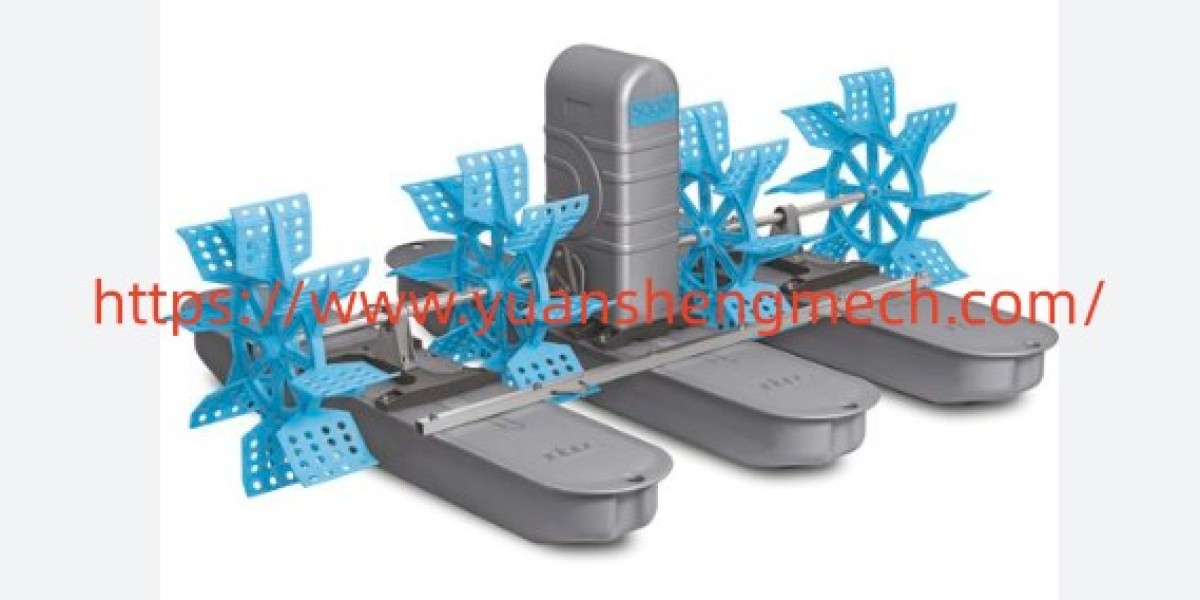

Water movement is an important part of managing an aquaculture pond, particularly when the environment must support active aquatic life. Aeration equipment can help introduce oxygen into water while encouraging circulation across the pond. A Surge Wave Pond Aerator creates a distinctive pattern of directed movement that interacts with the water surface, making its material construction, mechanical arrangement, and installation conditions important considerations. For aquaculture operators, understanding these features can help connect equipment selection with the practical needs of pond management.
Material selection affects how an aerator responds to continuous exposure to water and outdoor conditions. Structural components may use corrosion-resistant metals or appropriately protected materials to help withstand moisture and routine operation. Fasteners and connection points also require attention because they join components that may experience vibration and repeated movement. Floating elements, where included, need to provide stable support while remaining suitable for prolonged environmental exposure. Polymer materials can be useful in buoyant components because they offer a different combination of weight and resistance to moisture. Buyers should assess material compatibility with the pond environment, including possible exposure to salinity, organic deposits, and cleaning practices, rather than evaluating the outer appearance alone.
Selecting a suitable aerator begins with understanding the pond's physical characteristics and management goals. Water depth, pond shape, existing circulation, aquatic species, and the location of other equipment can all influence the selection process. Buyers should consider whether the primary need is surface agitation, directed circulation, or a combination of water movement and oxygen transfer. Placement is also important: an aerator should work with the pond's layout rather than create unnecessary disturbance near banks or sensitive areas. Reviewing the installation site and discussing operating conditions with a manufacturer can help clarify which arrangement is appropriate. Aeration equipment is most useful when its role is considered within the wider water-management plan.
The operating principle of surge wave aeration involves generating a directed flow that produces waves and moves water across the surface. Depending on the design, an impeller or similar mechanism propels water outward, creating repeated surface disturbance and circulation. The movement increases contact between air and water, supporting oxygen transfer, while the resulting current can help distribute water through the pond. Some designs incorporate a floating structure that allows the working assembly to respond to changes in water level. The relationship between the impeller, water flow, and floating support influences how the system interacts with its environment. The specific mechanism should be understood from the product design rather than assumed from the aerator's name.
Manufacturing quality helps ensure that the mechanical components function together as intended. The housing and supporting frame need to hold the operating assembly securely, while the impeller and drive components require appropriate alignment. Connections should be arranged to support installation and inspection, and protective elements should not interfere with normal water movement. Production methods such as forming, machining, molding, and assembly can influence the consistency of the finished unit. Buyers can ask suppliers about material inspection, assembly checks, and how quality is reviewed before equipment is delivered. Examining the complete aerator is useful because the performance of an individual component depends on how it works with the rest of the system.
User experience is closely connected to installation, operation, and maintenance. Equipment should be positioned so that operators can inspect relevant components without unnecessary difficulty. A practical mounting arrangement can help simplify placement, while accessible connections may make routine checks more manageable. Pond conditions can change over time as water levels fluctuate or organic material accumulates, so operators should follow the manufacturer's guidance for cleaning and inspection. Safe servicing is especially important around rotating equipment and electrical components near water. Clear product identification and a straightforward external layout can help farm personnel understand the equipment and incorporate maintenance into their daily routines.
Design and appearance influence how the aerator fits into a working aquaculture site. An organized structure can make the unit easier to position and inspect, while the arrangement of the motor, impeller, and supporting components affects its overall form. Floating elements, when used, should integrate with the working mechanism without obstructing water movement. Smooth external surfaces may make routine cleaning more convenient, and clearly arranged connections can contribute to a tidier installation. Visual simplicity is useful when it supports practical operation, but appearance should remain secondary to material suitability, mechanical compatibility, and the requirements of the pond environment.
Taizhou Yuansheng Aquacul Ture Machinery Co., Ltd. supplies aquaculture and water-management equipment, including aeration products. Businesses considering surge wave aeration can discuss pond conditions, desired water movement, installation arrangements, material preferences, and maintenance expectations with the company. Sharing these details can help clarify how a product may fit into a particular aquaculture operation and support a more informed equipment selection process. Further information about the company's product offerings is available at https://www.yuanshengmech.com/.