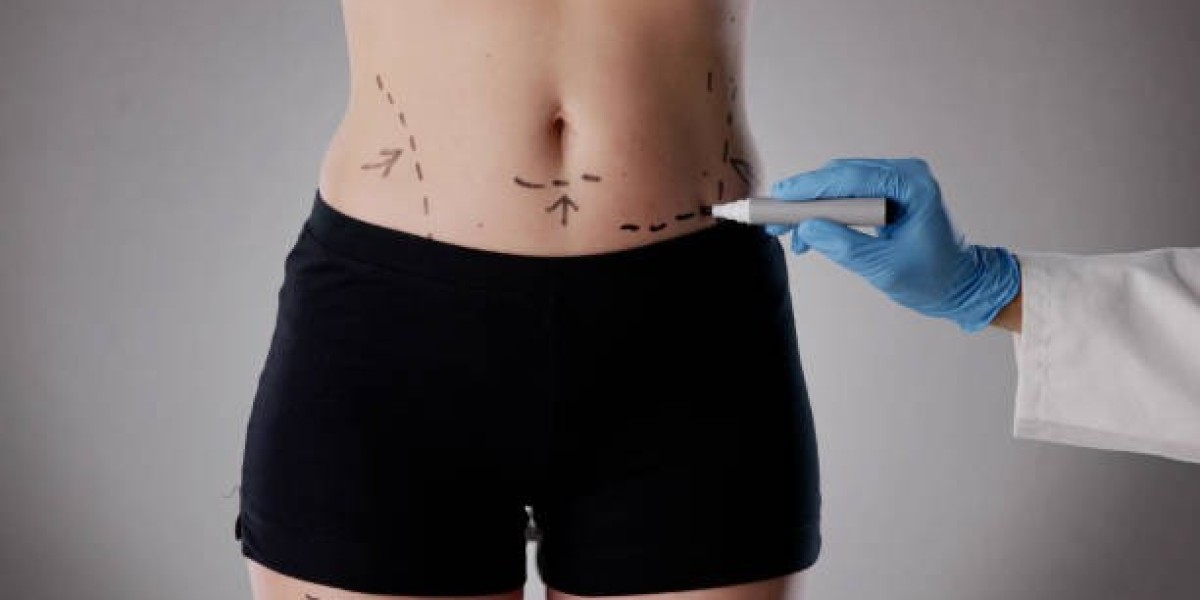

Fat-dissolving injections are a non-surgical cosmetic option designed to target selected localized fat deposits. They may appeal to individuals who want to improve specific body contours without undergoing traditional surgery. However, these treatments are not suitable for everyone. Certain medical conditions, allergies, medications, pregnancy, and skin concerns may increase the risk of complications or make treatment inappropriate. Anyone considering Fat Melting Injections in Riyadh should understand the importance of medical screening before proceeding. A professional assessment helps determine whether the treatment is suitable or whether another body-contouring option would be safer.
Although some injectable formulations can break down targeted fat cells, their ingredients, safety profiles, and approved treatment areas differ. A product intended for one anatomical location should not automatically be used on another. People researching Fat Melting Injections in Riyadh should discuss their health history and treatment expectations with a qualified medical professional. This consultation is particularly important for individuals with existing health concerns, previous cosmetic procedures, or conditions that may affect healing. Understanding who should avoid these injections can help prevent unnecessary risks and support better treatment decisions.
Who Should Avoid Fat Melting Injections?
Certain individuals may need to avoid injectable fat reduction or postpone treatment until a medical concern has been evaluated.
Pregnant or Breastfeeding Individuals
The safety of many cosmetic fat-dissolving injections during pregnancy and breastfeeding has not been adequately established. Since these are elective procedures, treatment should generally be postponed during these periods. Individuals should consult their healthcare professional before considering any cosmetic injectable treatment.
People With Allergies to Product Ingredients
Anyone with a known allergy to an ingredient in the proposed injectable formulation should avoid that particular product. Patients should disclose previous allergic reactions, medication allergies, and sensitivities during consultation.
Individuals With Active Skin Infections
People with infections, open wounds, or significant inflammation around the intended injection area should generally delay treatment. Injecting into an affected area may increase the risk of infection and other complications.
People With Certain Medical Conditions
Some medical conditions can affect healing, increase the risk of complications, or influence the body's response to treatment. Individuals with relevant health concerns should receive an appropriate medical evaluation before considering injections.
Individuals With Bleeding Disorders
People with bleeding or clotting disorders may have an increased risk of bruising or bleeding after injections. Those taking blood-thinning medications should also discuss their medication history with a qualified healthcare professional. They should never stop prescribed medication without medical advice.
Who May Need Additional Medical Evaluation?
Some individuals are not automatically excluded from treatment but require careful assessment before a decision is made.
People With Reduced Skin Elasticity
Fat reduction does not necessarily tighten loose skin. Individuals with significant skin laxity may experience an undesirable appearance if fat is reduced without addressing the excess skin.
Individuals With Previous Cosmetic Procedures
People who have undergone liposuction, fillers, surgery, or other injectable treatments in the intended area should disclose this information. Previous procedures may affect anatomy and treatment planning.
People With Unrealistic Expectations
Fat-dissolving injections are not designed for major weight reduction or dramatic body transformation. Individuals expecting substantial weight loss may need to explore other medically appropriate options.
Individuals With Significant Fat Deposits
Large fat deposits may not respond adequately to injectable treatments. A medical professional can discuss whether another body-contouring procedure is more appropriate.
Why Is a Medical Consultation Important?
A consultation helps determine whether the potential benefits of treatment justify its risks. During the assessment, the medical professional may review several important factors.
Medical History Review
The provider discusses existing health conditions, allergies, medications, previous procedures, and any history of complications from cosmetic treatments.
Examination of the Treatment Area
The intended area is assessed to understand fat distribution, skin condition, and nearby anatomical structures. This helps determine whether injectable treatment is appropriate.
Product Selection
Different fat-dissolving formulations have different ingredients and approved indications. Certain deoxycholic acid formulations are approved for reducing submental fat beneath the chin. Their approval does not automatically establish safety or effectiveness for the abdomen, arms, thighs, back, or other body areas.
Discussion of Risks and Alternatives
Patients should understand the possible side effects, expected results, and limitations of the proposed procedure. If injections are unsuitable, the provider may recommend discussing alternative treatments.
What Are the Possible Risks of Fat Melting Injections?
Even individuals considered suitable for treatment may experience side effects. Common reactions can include:
Swelling: Temporary enlargement of the treated area.
Bruising: Small marks around injection points.
Redness: Mild skin irritation after administration.
Tenderness: Soreness or discomfort in the treated tissue.
Firmness: Temporary lumps or hardened areas.
Numbness: Changes in sensation around the treatment site.
More serious complications may include infection, nerve injury, tissue damage, and uneven contours. Severe or worsening pain, spreading redness, fever, unusual skin discoloration, or persistent changes in sensation should be assessed promptly by a medical professional.
What Are the Alternatives for People Who Cannot Receive Injections?
People who are not suitable candidates for injectable fat reduction may have other body-contouring options. Depending on their concerns, a medical professional may discuss non-invasive fat-reduction technologies, surgical procedures such as liposuction, or skin-tightening treatments.
The most appropriate option depends on the amount of localized fat, skin elasticity, medical history, and aesthetic goals. General weight-management strategies may also be recommended when overall weight reduction is the main concern.
The suitability of Fat Melting Injections in Riyadh should always be determined through an individual assessment rather than general recommendations or promotional claims.
How Can You Prepare for a Safer Treatment Decision?
Before considering an injectable procedure, keep these points in mind:
Share your medical history: Disclose health conditions, allergies, and previous treatments.
Discuss medications: Inform the provider about prescribed and over-the-counter medicines.
Ask about product approval: Confirm whether the formulation is appropriate for the intended anatomical area.
Understand the risks: Ask about possible complications and recovery requirements.
Choose a qualified provider: Ensure the professional has suitable training and experience with the procedure.
Book Your Appointment at Royal Clinic Saudia
If you are unsure whether fat-dissolving injections are suitable for you, a professional consultation can help clarify your options. Royal Clinic Saudia offers aesthetic consultations to discuss individual concerns, medical considerations, and appropriate body-contouring procedures. Schedule an appointment at Royal Clinic Saudia to receive personalized guidance and make an informed decision about your aesthetic goals.
FAQs:
Who should not get fat melting injections?
People with relevant allergies, active infections around the treatment area, certain medical conditions, or other contraindications may need to avoid treatment. Pregnant and breastfeeding individuals should generally postpone elective cosmetic injections.
Can people taking blood thinners receive fat melting injections?
Blood-thinning medication may increase the risk of bruising or bleeding. Patients should discuss their medication with a healthcare professional and should never stop prescribed treatment without medical advice.
Are fat melting injections suitable for people who want to lose weight?
No. These injections are intended for selected localized fat deposits rather than general weight loss or obesity management.
Can I get fat melting injections if I have loose skin?
Fat-dissolving injections do not necessarily tighten loose skin. Individuals with significant skin laxity may need to consider alternative body-contouring or skin-tightening procedures.