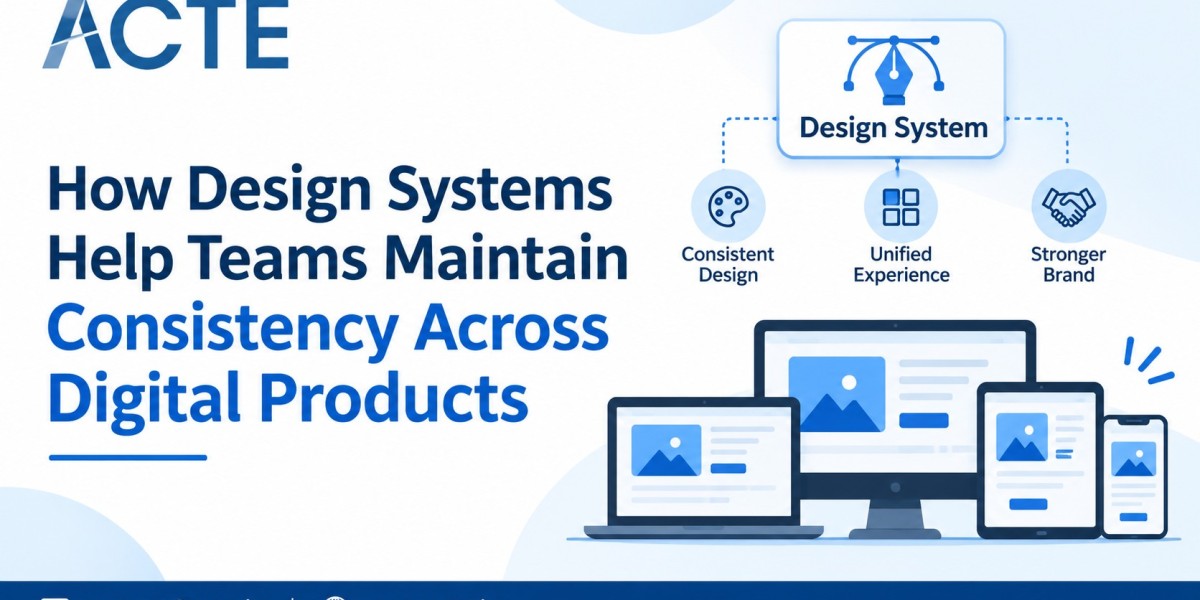

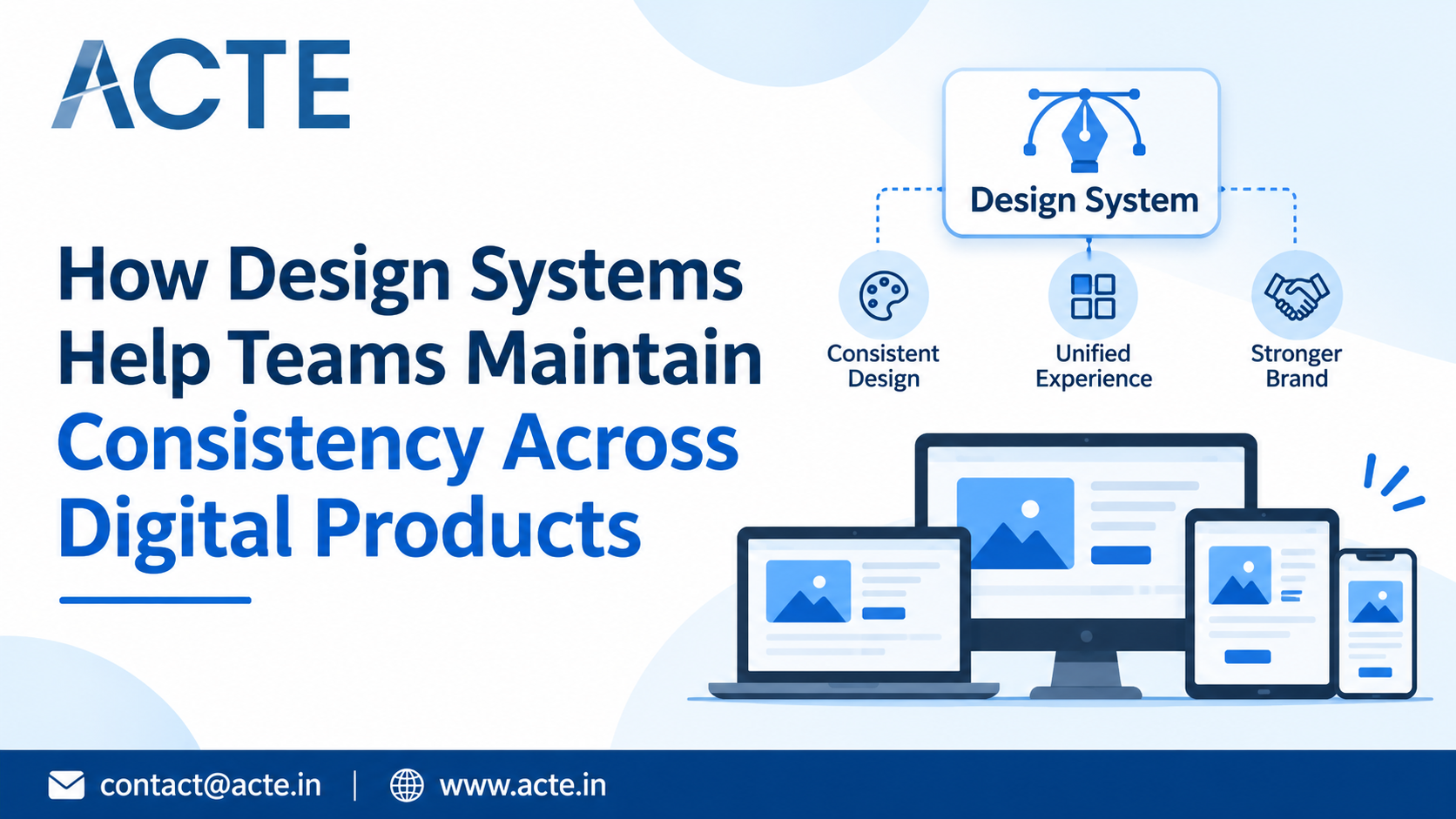
Delivering a uniform experience across websites, mobile applications, and digital platforms is essential for businesses that want to build user trust and strengthen their brand identity. When designers and developers work without shared guidelines, differences in layouts, colors, typography, and interactive elements can affect the overall user experience. Design systems address this challenge by providing standardized design rules, reusable components, and documented practices that teams can follow throughout product development. They simplify collaboration, reduce repeated work, and help organizations create connected digital experiences. Professionals looking to improve their interface design knowledge can explore UI/UX Design Training in Chennai to understand the principles behind consistent and user-friendly products.
Understanding the Core Elements of Design Systems
A design system is a centralized collection of visual guidelines, reusable interface elements, design principles, and technical specifications. It gives teams a reliable foundation for creating digital experiences without repeatedly making the same design decisions. Common elements include typography, color combinations, spacing rules, buttons, icons, navigation menus, form controls, and layout patterns. Documentation explains when and how each component should be used, helping teams maintain a common approach across projects. By bringing these resources together, organizations can reduce confusion, simplify decision-making, and ensure that different products follow a recognizable design language.
Establishing Consistent Branding Across Digital Platforms
Brand consistency plays an important role in helping users recognize a company across different digital touchpoints. If a website uses one visual style while its mobile application follows a completely different approach, users may find the overall experience disconnected. Design systems establish shared standards for brand colors, typography, iconography, spacing, and interactive states. These standards allow teams to maintain a familiar appearance while adapting interfaces to different screen sizes and usage situations. For instance, navigation elements can retain the same visual identity across desktop and mobile platforms while changing their arrangement to improve accessibility. Learning through UI/UX Design Course in Bangalore can help aspiring designers understand how visual consistency contributes to stronger product experiences.
Strengthening Teamwork Between Design and Development
Effective digital product development requires designers and developers to understand the same interface requirements. When design specifications are unclear, developers may implement components differently from the original designs, leading to inconsistencies and additional revisions. A design system provides shared documentation and component specifications that clarify appearance, behavior, spacing, and interaction states. Designers can communicate their intentions more effectively, while developers can implement reusable components with fewer misunderstandings. Product managers and quality assurance teams can also use these guidelines to review requirements and identify inconsistencies. This shared foundation improves coordination, supports faster handoffs, and helps teams maintain quality throughout the development lifecycle.

Reducing Repetitive Work With Reusable UI Components
Reusable components allow teams to build interfaces more efficiently by using established elements instead of recreating them for every project. Standardized buttons, cards, dropdown menus, search fields, alerts, and form controls can be applied across multiple products. This approach reduces duplicated effort and makes interface maintenance more manageable. When a shared component needs improvement, teams can update its design or functionality and apply the change wherever that component is used, provided the implementation supports centralized updates. Reuse also helps prevent small visual differences from appearing across pages. Professionals exploring UI/UX Design Training in Hyderabad can benefit from understanding how component libraries support efficient workflows and scalable interface design.
Improving Accessibility and Interface Usability
A consistent design system can help teams create digital products that are easier to navigate and interact with. It can include standards for text readability, color contrast, keyboard accessibility, visible focus states, descriptive form labels, and clear feedback messages. Applying these practices to reusable components makes it easier to maintain accessibility across different interfaces. Consistent interaction patterns also help users understand how controls behave, reducing unnecessary confusion when moving between product sections. However, teams must still test their components with assistive technologies and users with different needs. Regular accessibility reviews ensure that shared design standards continue to support inclusive and practical user experiences.
Updating Design Systems to Match Changing Requirements
A design system must evolve as products expand, technologies change, and user expectations develop. Outdated components or unclear documentation can create inconsistencies if different teams begin using their own variations. Organizations should regularly review their component libraries, update design guidelines, document changes, and communicate new standards to relevant stakeholders. Clear ownership and version management can help teams understand which components are approved for use. Feedback from designers, developers, and users can also highlight opportunities for improvement. Professionals interested in connecting interface design with implementation can explore a UI/UX Developer Course to build a better understanding of how design specifications translate into functional digital products.
Evaluating Design System Performance and Effectiveness
Organizations should measure whether their design systems deliver practical improvements rather than focusing only on the number of available components. Teams can review development time, component reuse, design inconsistencies, maintenance effort, and the frequency of repeated interface issues. User testing and feedback can help determine whether standardized patterns make products easier to understand and use. Regular evaluations also reveal gaps in documentation, accessibility, and component functionality. These insights allow teams to refine their systems based on real requirements. An effective design system balances consistency with flexibility, ensuring that shared standards support each product without preventing teams from addressing unique user needs.
Conclusion:
Design systems provide a structured way for teams to create consistent, accessible, and maintainable digital products. By combining reusable components, clear documentation, shared visual standards, and collaborative workflows, they reduce duplication and improve communication between designers and developers. Regular testing and updates keep these systems relevant as products and technologies evolve. When implemented thoughtfully, a design system helps organizations maintain a recognizable brand identity while delivering reliable experiences across websites, applications, and other digital platforms.