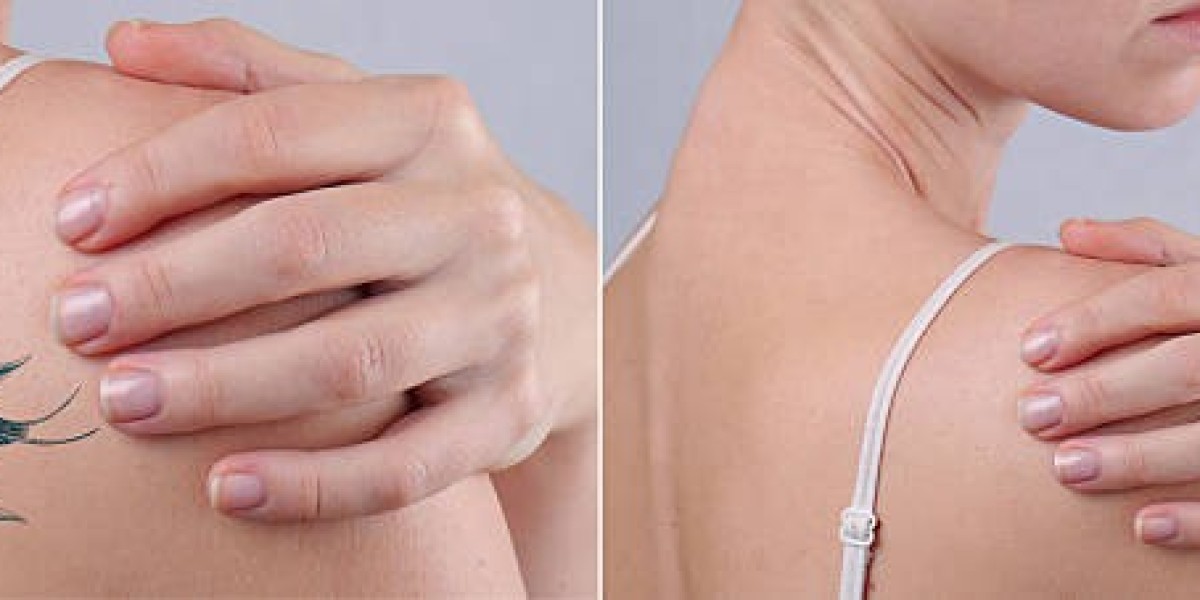

A tattoo may once have represented a meaningful memory, personal milestone, or creative choice, but preferences and circumstances can change over time. An outdated design, an unwanted name, or a tattoo that no longer reflects someone's identity can become a source of regret. Modern Laser tattoo removal in Riyadh offers an option for people who want to fade or remove unwanted ink while taking their skin condition and treatment goals into account. Understanding how the procedure works can help individuals decide whether it is a suitable step towards changing their appearance.
Tattoo regret can develop for many reasons, including changes in personal relationships, professional expectations, lifestyle, or artistic preferences. Some people want complete removal, while others simply wish to lighten a design before getting a new tattoo. During Laser tattoo removal in Riyadh, a specialist examines the ink, skin tone, tattoo placement, and other relevant characteristics to develop an appropriate treatment plan. This assessment helps establish realistic expectations and identify factors that may influence the final result.
How Laser Tattoo Removal Works
Laser tattoo removal uses concentrated pulses of light energy to target pigment particles deposited within the skin. The ink absorbs the selected wavelength, allowing the laser to break larger pigment particles into smaller fragments. The body's natural immune processes gradually help clear these fragments over time, causing the tattoo to become lighter after successive treatments.
Different laser wavelengths are used to target different ink colours. Dark pigments, particularly black, often respond more readily to laser energy, while green, blue, red, and lighter shades may require different approaches. A multicoloured tattoo can therefore need a more specialised plan than a simple design containing one shade.
The treatment does not usually remove a tattoo in a single appointment. Multiple sessions are generally required because the skin needs time to recover and the body needs time to process the fragmented pigment. The degree of fading varies according to the tattoo and the individual's response.
Common Reasons People Consider Tattoo Removal
Changing Personal Preferences
A design that once felt meaningful may no longer represent someone's interests, personality, or current lifestyle. Removing or fading the tattoo can help people feel more comfortable with their appearance. The decision is personal, and a consultation can help clarify whether the desired outcome is complete removal or partial fading.
Relationship and Name Tattoos
Names, initials, and symbols connected to past relationships are common reasons people seek tattoo removal. These designs may carry memories that an individual no longer wishes to display. Laser treatment may help reduce their visibility, although the response depends on pigment characteristics and skin factors.
Professional and Lifestyle Considerations
Some individuals reconsider visible tattoos because of workplace expectations, changing professional goals, or personal preferences about their appearance. Tattoos on the hands, neck, or other exposed areas may be particularly noticeable. A specialist can assess whether the tattoo is suitable for laser treatment and explain what degree of fading may be achievable.
Preparing for a Cover-Up Tattoo
Complete removal is not always the main goal. Some people want an existing design lightened so an artist can create a new tattoo over the area. The amount of fading needed depends on the original design and the intended cover-up. Any new tattoo should be planned only after the treated skin has healed and the appropriate specialist guidance has been followed.
Factors That Influence Tattoo Removal Results
Ink Colour, Depth, and Density
The colour and composition of tattoo ink affect how efficiently laser energy is absorbed. Dense designs with substantial pigment may require more sessions than lighter tattoos. Ink placed deeper within the skin can also respond differently from pigment deposited at a shallower level.
Tattoo Age and Location
Older tattoos may have faded naturally, but age alone does not determine how easily they can be removed. The body's response, ink formulation, and original tattoo technique all matter. Location also influences treatment planning because skin thickness and healing characteristics differ between body areas.
Skin Tone and Individual Healing
Skin tone and sensitivity are important when choosing laser settings. Treatment must target the ink while reducing the risk of affecting surrounding skin. Individual healing responses also vary, so the treatment schedule should be based on professional assessment rather than a fixed timetable.
What to Expect During Treatment and Recovery
Before beginning, the specialist reviews the tattoo, discusses the individual's goals, and evaluates relevant skin characteristics and medical history. During the procedure, protective measures are used, and the laser delivers short pulses to the pigmented area. The sensation is often described as brief snapping or stinging, although comfort levels differ from person to person.
After treatment, temporary redness, swelling, tenderness, or blistering may occur. The treated area should be cared for according to the specialist's instructions. Keeping the skin clean, avoiding picking or scratching, and protecting it from excessive sun exposure can support recovery. Adequate time between sessions is important to allow healing and natural pigment clearance.
Possible risks include burns, infection, scarring, and temporary or lasting changes in skin pigmentation. Complete removal cannot be guaranteed, and some tattoos may leave faint residual marks. Discussing these limitations before treatment helps individuals make informed decisions.
Setting Realistic Expectations About Removing Tattoo Regret
Laser treatment can help reduce the visibility of unwanted tattoos, but the outcome depends on several interacting factors. Some tattoos fade substantially, while others respond more gradually or retain traces of pigment. The number of sessions and the time required vary, making it important to assess progress over the course of treatment.
For anyone considering Laser tattoo removal in Riyadh, a personalised consultation can provide a clearer understanding of the likely response, potential risks, and suitable treatment approach. Making the decision with accurate information can help ensure that expectations remain realistic throughout the process.
Book a Consultation at Royal Clinic Saudi
If an unwanted tattoo no longer reflects your preferences, a professional assessment can help you explore suitable removal options. Contact Royal Clinic Saudi to discuss your goals, have your tattoo evaluated, and receive guidance about a treatment plan that considers your skin and the characteristics of the ink.
FAQs:
1. Can laser tattoo removal completely erase an unwanted tattoo?
Some tattoos can be removed significantly, but complete removal is not guaranteed. Results depend on ink colour, depth, composition, and individual response.
2. How many sessions are usually needed to remove tattoo ink?
Multiple sessions are generally required. The number depends on the tattoo's size, colour, density, location, and how the skin responds.
3. Can I remove a tattoo before getting a cover-up?
Yes. Laser treatment may fade an existing tattoo to make a cover-up easier, but the area should heal fully before a new tattoo is applied.
4. Is laser tattoo removal suitable for every skin type?
Treatment may be possible for many skin types, but laser settings and precautions must be selected according to individual skin characteristics and professional assessment.