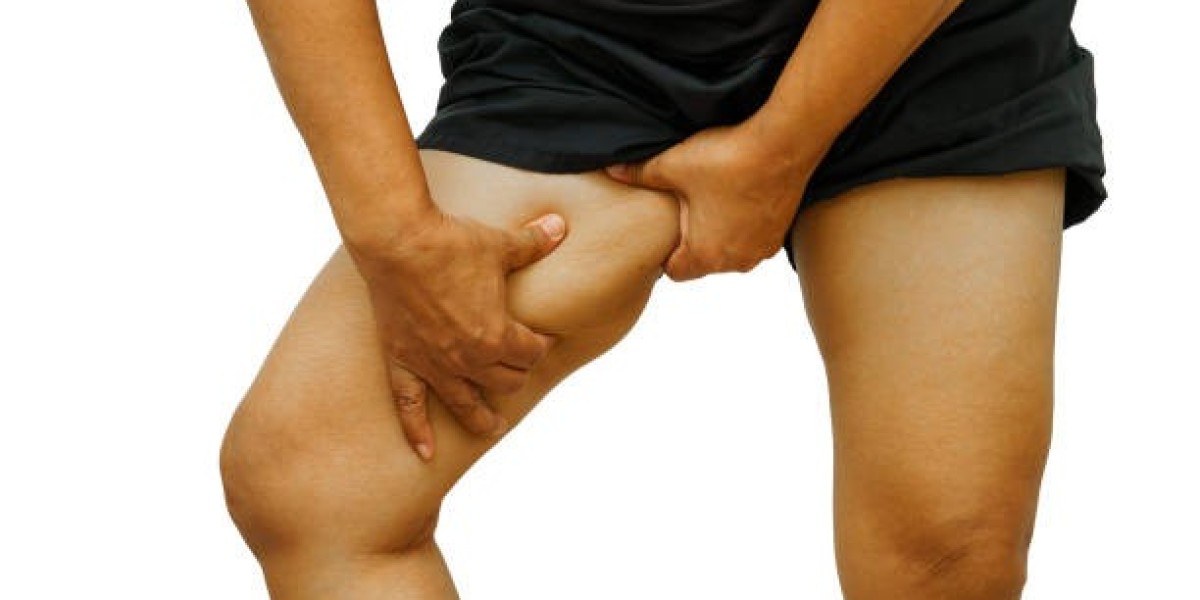

Lipedema is a chronic condition that changes how fatty tissue is distributed throughout the body, most commonly affecting the thighs, hips, and lower legs. It can create a disproportionate appearance in the affected areas, sometimes making the legs look larger than the upper body. These changes may occur alongside tenderness, heaviness, and easy bruising. Understanding the physical characteristics of lipedema jeddah can help individuals recognize potential symptoms and seek an appropriate medical evaluation.
How Lipedema Changes the Shape of the Thighs
The thighs are among the most commonly affected areas in people with lipedema. Fatty tissue may accumulate disproportionately around the upper and inner thighs, creating a fuller appearance that differs from the body's natural proportions.
Increased Fat Accumulation Around the Thighs
One noticeable feature is symmetrical enlargement of the thighs. Both legs are generally affected, although the degree of enlargement may vary. The increased fatty tissue can make the thighs appear wider or heavier compared with the waist and upper body.
This pattern is not simply a reflection of overall weight gain. Lipedema-related fat distribution may remain disproportionate even when a person experiences changes in general body weight.
Changes in Thigh Contours
As fatty tissue increases, the natural outline of the thighs may become less defined. Some individuals notice a fuller appearance around the inner thighs, while others experience more noticeable enlargement along the outer thighs.
The shape and distribution differ between individuals. These changes may also affect how clothing fits, particularly around the hips and upper legs.
How Lipedema Affects the Lower Legs
Lipedema can extend from the thighs toward the knees, calves, and ankles. The lower legs may develop a fuller appearance, sometimes creating a column-like shape rather than a gradually narrowing contour.
Enlargement Around the Calves
Fatty tissue may accumulate around the calves, making them appear disproportionately large. The enlargement is often symmetrical and may be accompanied by tenderness or a feeling of heaviness.
Some people notice that their calves remain relatively enlarged even when their overall body weight changes. However, calf enlargement can have several causes, so a professional assessment is important.
A Noticeable Difference Around the Ankles
A characteristic feature of lipedema is the relative sparing of the feet. Fat accumulation may extend toward the ankles but stop above them, creating a visible transition sometimes described as an ankle cuff.
This appearance can help clinicians distinguish typical lipedema patterns from certain other causes of leg swelling. However, it is not enough to confirm the condition on its own.
Changes in Skin and Tissue Texture
The affected areas may initially feel soft and appear relatively smooth. Over time, some individuals develop uneven or nodular tissue beneath the skin. Larger folds or lobules may become more noticeable in advanced presentations.
These physical changes can influence the overall appearance of the legs, but visible stage does not necessarily indicate how much pain or disability a person experiences.
Why Does Lipedema Cause Disproportionate Leg Appearance?
The exact cause of lipedema is not fully understood. Research suggests that hormonal influences, genetic factors, and changes in fat tissue may contribute to its development.
The condition often becomes noticeable or more pronounced during hormonal transitions such as puberty, pregnancy, or menopause. Its characteristic pattern involves disproportionate fatty tissue accumulation, especially in the lower body.
Lipedema is not simply caused by overeating or a lack of exercise. It can also occur alongside obesity, meaning a person may have both general weight-related changes and lipedema-related fat distribution.
Other Symptoms That May Accompany Changes in Leg Shape
Changes in appearance are only one part of the condition. Some individuals also experience physical symptoms that affect their comfort and everyday activities.
Tenderness and Sensitivity
The thighs and lower legs may feel painful or sensitive when touched or pressed. The level of discomfort varies, and some individuals experience tenderness even when the visible changes appear relatively mild.
Easy Bruising
Some people with lipedema report bruising after minor pressure or without remembering an injury. However, easy bruising is not unique to this condition. Frequent or unexplained bruising should be discussed with a healthcare professional to rule out other causes.
Heaviness and Fatigue
Increased tissue volume and associated symptoms may create a feeling of heaviness in the legs. This can make prolonged standing, walking, or climbing stairs more challenging for some individuals.
Lipedema vs. Ordinary Weight Gain: Understanding the Difference
Ordinary weight gain generally affects fat distribution throughout the body, although individual patterns vary. Lipedema, by contrast, commonly produces disproportionate and symmetrical enlargement of the thighs and lower legs.
Another distinguishing feature is that the feet are usually spared in typical lipedema. People may also experience tenderness and easy bruising, which are not defining features of ordinary weight gain.
Weight loss may reduce overall body fat and improve general health, but it does not necessarily eliminate the disproportionate fatty tissue associated with lipedema. A clinical assessment is needed to understand the cause of these changes rather than relying on appearance alone.
How Is Lipedema Diagnosed?
There is no single universally accepted test that confirms every case of lipedema. Diagnosis is primarily based on medical history, physical examination, and characteristic patterns of fat distribution.
A healthcare professional may examine the thighs, calves, ankles, and feet while assessing tenderness, tissue texture, and swelling. They may also ask about the development of symptoms, family history, and changes associated with hormonal transitions.
Additional investigations, such as ultrasound, may be recommended when necessary to evaluate circulation or exclude conditions such as venous insufficiency and lymphedema. This is important because more than one condition can contribute to changes in leg size.
Management Options for Lipedema-Related Leg Changes
Although lipedema cannot currently be cured through lifestyle changes, several approaches may help manage symptoms and support mobility.
Compression Garments
Properly fitted compression garments may help manage fluid-related swelling and reduce feelings of heaviness for some individuals. The appropriate garment and pressure level should be selected with professional guidance.
Exercise and Physical Activity
Low-impact activities such as swimming, walking, and cycling can support muscle strength, circulation, and joint mobility. Exercise does not remove lipedema fat, but it can contribute to overall physical health and functional ability.
Physical Therapy and Other Treatments
A personalized care plan may include physical therapy, pain management, and manual lymphatic drainage when additional fluid swelling is present. In selected cases, lipedema-specific liposuction may be discussed after careful evaluation, particularly when symptoms remain significant despite conservative management. Results vary, and ongoing supportive care may still be needed.
When Should You Seek Medical Advice?
Consider professional evaluation if your thighs or lower legs become disproportionately enlarged, particularly when accompanied by tenderness, persistent heaviness, or unexplained bruising. Early assessment can help identify whether the changes are consistent with lipedema or another medical condition.
Sudden swelling in one leg, especially with redness, warmth, or significant pain, requires prompt medical attention because it may indicate a separate urgent problem.
Understanding the appearance and symptoms of Lipedema in Riyadh can help individuals make informed decisions about their health and explore suitable management options.
Consult a Specialist for Personalized Guidance
Lipedema can affect the appearance of the thighs and lower legs in different ways, from symmetrical enlargement to changes in tissue texture and ankle contours. Recognizing these features is a useful starting point, but professional evaluation is necessary for an accurate assessment. If you have concerns about Lipedema in Riyadh, consult Royal Clinic Saudia to discuss your symptoms and learn about appropriate assessment and individualized management options.








