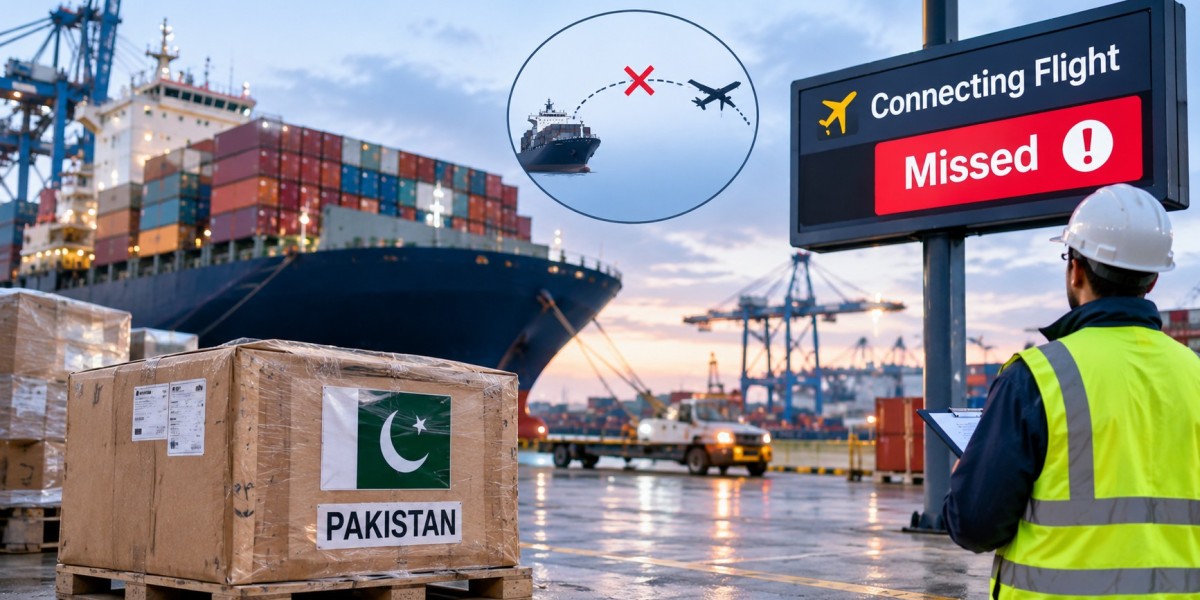

A missed vessel connection can change the expected arrival date of an international shipment. This may happen when a container reaches a transshipment port after its connecting ship has departed, when the original vessel arrives late, or when port operations take longer than planned. The cargo does not automatically disappear or become lost, but it may need to wait for another sailing. Understanding what happens next can help senders make better decisions and avoid confusion when a shipment is delayed.
“A missed connection can affect the schedule without meaning the shipment has gone missing.”
Why Can a Cargo Shipment Miss Its Connecting Vessel?
International sea shipments do not always travel directly from the departure port to their final destination. Some routes involve a stop at another port, where containers are transferred from one vessel to another. This transfer depends on the first ship's arrival time and the next ship's departure schedule.
A connection can be missed for several reasons. The first vessel may arrive behind schedule because of bad weather, congestion, or operational delays. The connecting vessel may leave before the container is ready for transfer. In some cases, port authorities or terminal procedures may also take longer than expected. Even a relatively short delay can matter if the transfer window is narrow.
What Happens to the Container After a Missed Connection?
Once a container misses its planned sailing, it normally remains at the transshipment port while the shipping line or its agent arranges the next available movement. The container is not usually sent back to the original port simply because a connection was missed. Instead, the carrier checks its routing options and determines when the cargo can continue.
For customers arranging Sea Cargo from the UK to Pakistan, this can mean a revised sailing date and a later estimated arrival. The container may be placed on the next suitable vessel, although the exact timing depends on available space, route schedules, and terminal arrangements. The sender should ask whether the shipment has been rolled over to another sailing and request an updated estimated arrival date.
Can a Missed Connection Cause Additional Delays?
Yes. The missed sailing is only one part of the delay. The next vessel may not depart immediately, particularly if the route has limited weekly services or available capacity is restricted.
The overall delay may also depend on:
- How frequently vessels operate on the connecting route.
- Whether space is available on the next sailing.
- The time needed to arrange a new vessel booking.
- Port congestion at the transfer location.
- Weather conditions affecting the next departure.
- Whether the container requires additional handling or checks.
- The arrival schedule of the replacement vessel.
A new sailing date can provide a clearer estimate, but the final arrival may still change if another disruption occurs during the journey.
Does Missing a Connection Change the Shipping Cost?
A missed connection does not automatically mean that the sender must pay a new shipping charge. The financial impact depends on the reason for the delay, the carrier's terms, and the services included in the original quotation. Some costs may arise if the container remains at a terminal beyond the permitted free period or requires additional handling.
Before comparing UK to Pakistan cargo rates per kg, customers should check what the quoted amount actually covers. A price may include transportation but exclude certain storage, terminal, or administrative charges. If a connection is missed, ask the cargo provider whether any extra expense is expected, who is responsible for it, and whether the charge is supported by the carrier's documentation.
How Should Senders Check the Shipment's New Status?
A sender should request specific information rather than relying only on a general message saying that the shipment is delayed. The most useful details are the container's current location, the reason for the missed connection, and the next planned vessel.
Ask the provider for the revised sailing information and an updated arrival estimate. If a tracking reference is available, check whether its latest entry matches the explanation provided. Tracking systems may take time to reflect a change, so a recent update from the carrier or its agent can help clarify the situation.
What Information Should the Cargo Provider Explain?
A useful update should explain what has happened and what is being done to move the shipment forward. Customers can ask for:
- The port where the container is currently waiting.
- The original vessel and the missed connection date.
- The reason the transfer was not completed.
- The proposed replacement vessel, if confirmed.
- The revised estimated departure and arrival dates.
- Any additional charges that may apply.
- The next expected tracking update.
If the replacement vessel has not yet been confirmed, the provider should make that clear instead of presenting an unconfirmed date as final.
Can the Shipment Be Transferred to a Different Route?
In some circumstances, a shipping line may consider another routing option. However, changing the route is not always possible or practical. The alternative may require additional vessel space, different port arrangements, or approval from the carrier.
A different route could also involve more handling and another transfer point. Customers should not assume that changing the route will make the cargo arrive sooner. The provider needs to compare the available options, including their expected departure dates, extra costs, and possible risks, before recommending a change.
What Should Recipients Expect When the Cargo Arrives Late?
A missed connection can affect the recipient's plans, particularly if they have arranged transport, storage, or someone to receive the goods on a particular date. Once the arrival estimate changes, the recipient should avoid making firm arrangements based on the old schedule.
It is sensible to wait for confirmation that the shipment has reached its destination port and completed the necessary release procedures. The cargo may still need clearance and onward transportation before it can be collected or delivered. A vessel's arrival date should not be treated as the same thing as the final delivery date.
“An updated arrival estimate is more useful than an outdated promise.”
How Can Customers Reduce the Impact of a Missed Connection?
Customers cannot control vessel schedules, but they can make arrangements that leave room for unexpected changes. A little planning can prevent a shipping delay from becoming a larger problem.
- Avoid booking onward transport too close to the expected arrival date.
- Ask whether the route includes a transshipment port.
- Keep the booking reference and shipment documents accessible.
- Confirm who will provide updates if a vessel connection is missed.
- Ask about possible storage or terminal charges before shipping.
- Allow extra time for clearance and final delivery arrangements.
- Keep the recipient informed when the estimated date changes.
These steps cannot prevent every disruption, but they can make it easier to respond when the original schedule is no longer possible.
What Should Customers Confirm Before Booking?
Before agreeing to a shipment, customers should understand how the provider handles schedule changes. Ask whether the proposed route is direct or involves a transfer, how updates are communicated, and what happens if the connecting vessel departs before the container is ready.
It is also worth checking the terms covering delays, storage, and additional handling. A provider may be able to explain the usual process, but no shipping company can guarantee that every vessel connection will run exactly as planned. Clear answers before booking can help prevent disagreements later.
Conclusion: A Missed Connection Does Not Mean the Cargo Is Lost
When a sea shipment misses its connecting vessel, the container generally waits at the transfer port until another suitable sailing can be arranged. The main consequences are usually a revised schedule and, in some cases, additional costs depending on the circumstances and carrier terms.
Customers should ask for the container's current location, the reason for the missed connection, and confirmation of the next sailing. Keeping realistic delivery expectations and understanding the provider's responsibilities can make an unexpected delay easier to manage.