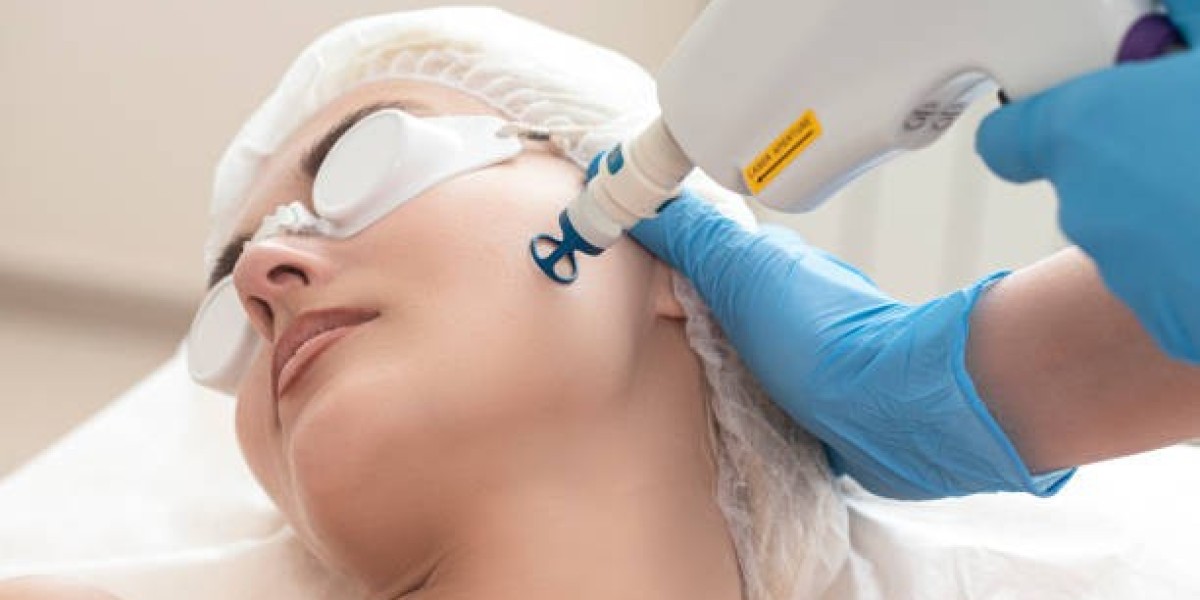

Preparing your skin before a laser procedure is an important step in supporting a comfortable treatment experience and reducing the risk of unwanted reactions. Q-switched laser technology is commonly used to target selected pigmentation concerns, including certain dark spots, freckles, and tattoo pigments. However, the skin's condition, sensitivity, and recent exposure to sunlight can influence treatment suitability. Understanding the preparation process can help patients feel more confident before q switch laser treatment and follow recommendations that support skin safety.
Why Skin Preparation Matters Before Laser Treatment
Q-switched lasers deliver very short pulses of concentrated light energy to target specific pigments. Depending on the wavelength and settings, the energy may fragment pigment particles that the body gradually processes.
Before treatment, the practitioner needs to assess the skin and identify factors that could increase irritation or pigmentation changes. Proper preparation helps establish whether the procedure is appropriate and allows the practitioner to select settings according to the patient's individual needs.
Benefits of Preparing Your Skin
Following professional preparation instructions can help:
Reduce unnecessary irritation before the procedure.
Identify active skin conditions that may require attention.
Lower the risk of complications associated with recent tanning.
Support a more accurate assessment of pigmentation.
Establish realistic expectations about treatment and recovery.
Preparation does not guarantee a particular result, but it helps create safer conditions for treatment.
Avoid Excessive Sun Exposure Before Treatment
Sun exposure is one of the most important factors to consider before a pigmentation-focused laser procedure. Ultraviolet radiation can increase melanin activity and make the skin more reactive.
Recent tanning may also change the skin's pigmentation, making it harder to select appropriate laser settings. Patients should avoid tanning beds and unnecessary direct sunlight before their appointment.
Use Broad-Spectrum Sunscreen
Apply broad-spectrum sunscreen with SPF 30 or higher regularly, following the practitioner's advice. Reapply as directed, especially when spending time outdoors. Protective clothing, wide-brimmed hats, and shade can provide additional protection.
If the skin is sunburned or noticeably tanned, inform the practitioner before treatment. The appointment may need to be postponed until the skin has returned to a suitable condition.
Review Your Skincare Routine
Some skincare products can increase sensitivity, particularly when used shortly before a laser procedure. The practitioner should know which products you regularly apply and whether you have recently experienced irritation.
Discuss Active Ingredients
Products containing retinoids, exfoliating acids, benzoyl peroxide, or strong peeling ingredients may need to be paused temporarily. The appropriate timing depends on the product, treatment area, and skin condition.
Do not discontinue prescribed medication or treatment without discussing it with the relevant healthcare professional. Avoid experimenting with new skincare products immediately before the appointment.
Keep Your Routine Gentle
A simple skincare routine may help maintain the skin barrier before treatment. Consider using:
A mild cleanser that does not cause dryness.
A suitable moisturizer to maintain skin comfort.
Broad-spectrum sunscreen during daytime.
Products recommended by your treating professional.
Avoid harsh scrubs, aggressive exfoliation, and unnecessary facial treatments before the procedure.
Inform Your Practitioner About Medical History
A detailed consultation is essential before undergoing laser treatment. Certain medical conditions, medications, and previous skin reactions may affect suitability or recovery.
Patients should discuss:
Current prescription and non-prescription medications.
Previous laser treatments or cosmetic procedures.
A history of cold sores, skin infections, or unusual scarring.
Allergies and known skin sensitivities.
Recent tanning or sunburn.
Pregnancy or other relevant medical circumstances.
Some medications can increase photosensitivity or affect healing. Providing accurate information helps the practitioner decide whether treatment should proceed, be adjusted, or be postponed.
Avoid Treatment on Irritated or Infected Skin
The intended treatment area should be examined for active irritation, wounds, infections, or inflammation. Conditions such as active acne breakouts, eczema flare-ups, or cold sores may require treatment or stabilization before a laser procedure.
Do not conceal redness, irritation, or other unusual changes with makeup before the consultation. Inform the practitioner about any new symptoms so they can assess whether it is safe to continue.
Understand Your Skin Type and Pigmentation
Skin tone and pigment characteristics influence how Q-switched laser energy interacts with the skin. People with darker skin tones may have a higher risk of post-inflammatory hyperpigmentation or hypopigmentation if unsuitable wavelengths or energy settings are used.
The practitioner should examine the type, depth, and location of pigmentation before selecting a treatment approach. A test spot may sometimes be considered to observe the skin's response, although it cannot guarantee how the entire treatment area will react.
For individuals considering Q-switched Laser Treatment in Riyadh, this assessment is particularly important when treating melasma or pigmentation that developed after inflammation, because these conditions may respond unpredictably to laser procedures.
What to Do on the Day of Treatment
Following a few simple steps can help make the appointment more straightforward.
Arrive With Clean Skin
Unless instructed otherwise, arrive with the treatment area clean and free from makeup, heavy creams, or sunscreen residue. Avoid applying strong active skincare products before the session.
Wear Comfortable Clothing
Choose clothing that allows easy access to the area being treated. If the procedure involves the face, consider avoiding products that may irritate the skin around the treatment area.
Ask Questions During Your Consultation
Before the procedure begins, make sure you understand the treatment plan, possible side effects, expected recovery, and aftercare instructions. Ask whether protective eyewear, cooling, or any additional preparation is required.
What Should You Avoid Immediately Before Treatment?
Certain activities may increase sensitivity or interfere with the skin assessment. Depending on the treatment area and practitioner instructions, avoid:
Tanning beds and intentional sun tanning.
Strong exfoliating treatments or chemical peels.
Waxing or aggressive hair removal over the treatment area.
Picking, squeezing, or scratching the skin.
Introducing unfamiliar skincare products.
Concealing unexplained skin changes without informing the practitioner.
There is no single preparation schedule for every patient. Follow the specific guidance provided during your consultation.
Preparing for Recovery Before Your Appointment
Preparation should also include planning for aftercare. Keep a gentle cleanser, suitable moisturizer, and broad-spectrum sunscreen available if recommended by your practitioner. Arrange to limit direct sun exposure while the skin recovers.
After treatment, temporary redness, swelling, warmth, sensitivity, or darkening of pigmented spots may occur. Avoid picking any crusts and follow instructions about when to resume makeup, exfoliants, and other active products.
Prepare for Your Laser Consultation at Royal Clinic Saudia
Good preparation begins with understanding your skin condition and sharing relevant medical information with a qualified professional. Q-switched Laser Treatment in Riyadh may be suitable for selected pigmentation concerns, but the right approach depends on skin type, pigment characteristics, and individual medical history. For personalized preparation advice and an assessment of treatment suitability, consult the skincare professionals at Royal Clinic Saudia before scheduling your procedure.