
When planning a fluid control system, buyers need equipment that fits both the process and the expectations of the project. In this context, American Standard Valves can be understood as valves designed around applicable American industry standards, helping project teams communicate requirements and consider compatibility across a pipeline. The term does not describe a single material or operating mechanism. Instead, it points toward a framework for evaluating design, connection details, testing practices, and documentation according to the needs of a particular application.
Material selection remains a central part of that evaluation. Industrial valves may use stainless steel, carbon steel, cast iron, brass, or other materials, depending on the service environment. Stainless steel is often considered where corrosion resistance and a clean surface are important. Carbon steel may be selected for applications that prioritize structural strength and suitability for the process. Brass and other non-ferrous materials can be relevant in different utility or equipment settings. No material should be treated as universally suitable. Buyers need to consider the fluid, surrounding environment, cleaning requirements, and compatibility of the internal sealing components as a complete system.
The selection process should begin with the intended function. A valve used to isolate a pipeline during maintenance may have different priorities from one installed in a process that requires frequent operation or integration with automated controls. Buyers should clarify what the valve will control, what medium will pass through it, and how operators will access it after installation. The project’s applicable standards should be identified early, since requirements can address different aspects of the valve, including design, connection compatibility, inspection, and testing. Reviewing these needs with a supplier helps reduce uncertainty before procurement moves forward.
Standards are valuable because they create a shared technical language. When engineers, purchasing teams, and manufacturers refer to the same requirements, they can discuss product suitability with fewer misunderstandings. However, the phrase “American standard” alone is not enough to establish that a valve is appropriate for every installation. Different standards may apply to different valve types and service conditions. A buyer should therefore confirm the specific standard relevant to the project and review the manufacturer’s supporting documentation. This careful approach helps ensure that the chosen product fits the system rather than relying on a broad label.
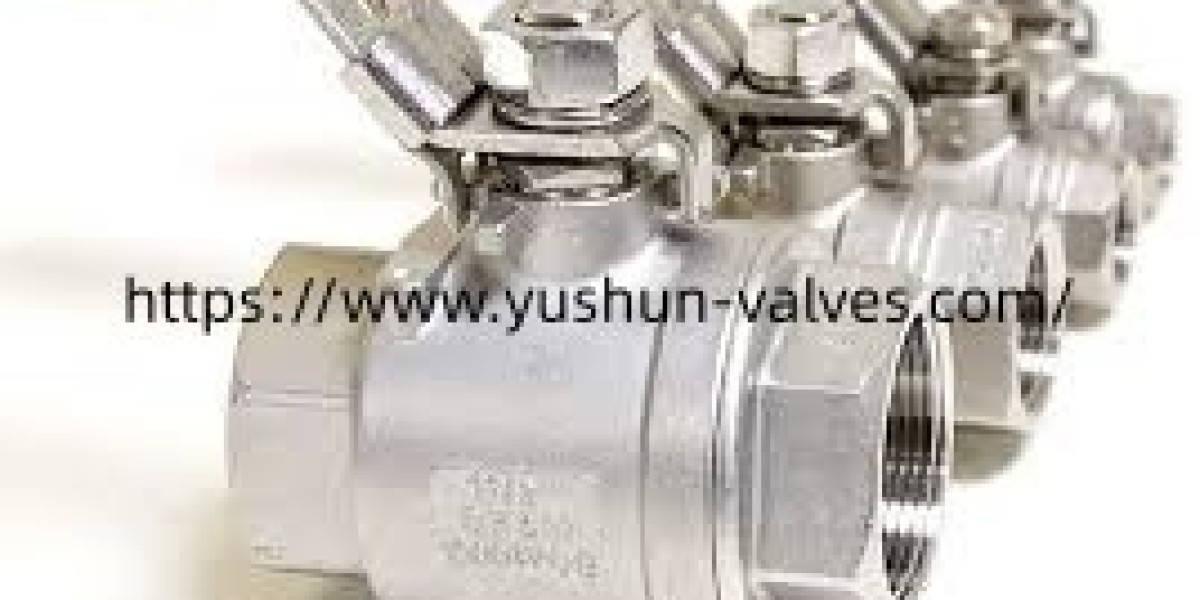
The ball valve mechanism illustrates how practical engineering can support straightforward operation. Inside the valve, a spherical element contains a passage that can align with the pipeline or turn away from it. When aligned, the flow path remains open; when rotated, the ball interrupts the passage and helps isolate the downstream system. Sealing surfaces around the ball support shut-off, while the stem connects the internal movement to a handle or actuator. This arrangement is widely valued for its direct operating action and its usefulness in applications where opening and closing are the main tasks.
Technology and manufacturing quality influence how consistently the mechanism performs. The ball, seats, stem, and body must work together as a coordinated assembly. Proper machining and careful assembly help the internal parts fit as intended, while inspection can identify concerns that may affect sealing or operation. In an automated installation, an actuator may be added to connect valve movement with the wider control system. That integration should be planned around the process and the operator’s needs. A technically suitable valve is one whose design, controls, and maintenance requirements are understood before it becomes part of the system.
User experience is shaped by practical details that become noticeable during installation and daily work. A clearly positioned handle can make the valve’s operating state easier to recognize. Accessible connections and a sensible external arrangement can help installers work efficiently and give maintenance teams room to inspect the component. Documentation also contributes to a better experience: clear guidance on installation, operation, and service can help users understand the valve’s role and avoid unsuitable handling. These considerations are especially useful when equipment is managed by different teams over its service life.
Design and appearance should support function rather than exist only for visual appeal. A well-organized valve body can integrate neatly with nearby pipes, fittings, and instruments. A consistent surface finish can make the product easier to inspect, while a practical shape can support handling and access. For industrial facilities, a tidy equipment arrangement can also improve the clarity of the working environment. Zhejiang Yushun Valve Co., Ltd. provides industrial valve product information for buyers reviewing fluid control options and discussing application requirements with a supplier. To explore its product range and learn more about available valve designs, visit https://www.yushun-valves.com/product