
A large reusable bottle is the result of many decisions that begin long before it reaches a retail shelf. When a brand works with a 40oz Water Bottle Manufacturer, the discussion can extend beyond the bottle’s appearance to include material suitability, production consistency, functional details, and the expectations of the people who will use it. A successful product brings these elements together, creating drinkware that supports everyday routines while reflecting the identity of the business offering it.
Material selection influences both the character and practical performance of a bottle. Stainless steel is often used for reusable drinkware because it offers a durable structure and a surface that can be maintained through regular cleaning. The inner surface is particularly important because it comes into contact with the beverage. The outer body, meanwhile, contributes to the bottle’s visual finish and handling experience. Other components, such as lids, seals, and handles, may use different materials chosen for their specific roles. Considering the complete assembly helps buyers evaluate a bottle more carefully than focusing on its metal body alone.
For businesses sourcing drinkware, the buying process should begin with a clear product brief. A bottle intended for a retail collection may need a distinctive appearance, while a corporate gift program may emphasize branding and packaging. A distributor serving outdoor customers may prioritize a convenient carrying design and a closure suited to movement. Defining the target audience, intended use, brand style, and customization needs helps narrow the options. Buyers can then compare manufacturers based on their ability to communicate clearly, provide product information, and support the project from initial concept through production.
A useful supplier evaluation also considers how the manufacturer approaches quality. Material selection, component preparation, assembly, and finished-product inspection all influence consistency. Buyers may ask how incoming materials are reviewed, how production issues are identified, and how the factory handles feedback from sample evaluation. These questions are especially relevant for customized products, where a design must be reproduced in a consistent way across an order. Open communication can help clarify expectations before production begins and reduce the likelihood of misunderstandings later.
Manufacturing technology turns a product concept into a usable bottle. Forming processes shape the body, while joining and finishing methods help create a clean and functional structure. For insulated drinkware, the relationship between the inner and outer walls is an important part of the design. The lid and sealing components must also fit the bottle’s intended use. A factory’s work is therefore not limited to producing a container; it involves coordinating multiple parts so that the finished product feels coherent in the hand and performs as expected in daily use.
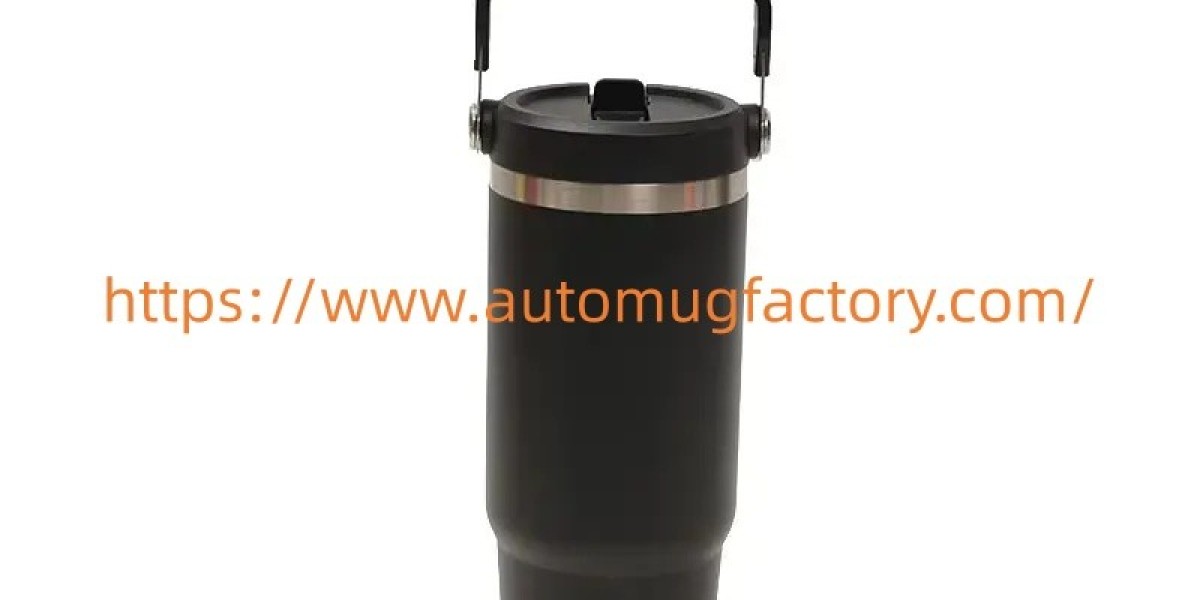
Functionality is closely linked to how people interact with the bottle. The opening should support comfortable drinking and convenient filling. A lid may be designed for simple removal, controlled pouring, or use while moving between activities. A handle can make a large bottle easier to carry, while a well-considered base can support stability on desks and other surfaces. Each feature should have a clear purpose. Adding unnecessary complexity may make a product look innovative but can also create more parts to clean or maintain. Good product development weighs convenience against simplicity.
User experience can be assessed through practical handling rather than appearance alone. A sample review allows buyers to notice whether the bottle feels balanced, whether the lid is intuitive, and whether the surface offers a comfortable grip. Cleaning access is another important point: users need to reach the interior and maintain the parts that come into contact with beverages. A design that makes routine care easier can encourage more consistent use. Manufacturers benefit from this feedback because it helps them refine details that may not be obvious in a drawing or digital presentation.
Design and appearance are important to brand recognition. Color, texture, silhouette, and decorative treatments can give a bottle a distinctive identity while preserving its everyday purpose. A soft matte finish may communicate understated style, whereas a vivid coating or patterned surface can create a more expressive look. Logo placement should work with the shape of the bottle rather than interrupting its visual balance. For a coordinated product range, buyers may also consider how colors, lids, and accessories work together across different drinkware designs.
Yongkang Xiaoyu Industry & Trade Co., Ltd. provides drinkware design and manufacturing services, including stainless steel bottles and customized insulated products. Its OEM and ODM capabilities allow business customers to discuss product styles, colors, surface treatments, logo techniques, and accessories as part of a project. For brands and distributors developing a new bottle concept, sharing the intended audience and design direction can help establish a productive conversation with the manufacturer. Product information and customization details are available at https://www.automugfactory.com