
Wastewater systems often encounter materials that are difficult to transport through conventional pumping equipment. Fibers, fabric fragments, plastic debris, and other soft solids can become entangled around internal components or interfere with liquid movement. In these situations, a Submersible Cutter Pump provides a specialized approach by combining liquid transportation with a mechanical cutting function. Its practical value depends on more than the cutting mechanism itself. Material compatibility, structural coordination, installation conditions, and maintenance accessibility all influence how effectively the equipment serves different wastewater applications.
Material selection is particularly important because cutting pumps operate in environments where moisture, suspended particles, and abrasive substances may affect component surfaces. Pump housings need to provide structural protection, while internal components must withstand repeated contact with wastewater. Cast iron is commonly considered for its strength and suitability for demanding applications. Stainless steel offers another option where corrosion resistance and surface characteristics are important. The selection depends on the composition of the liquid and the conditions in which the pump will operate.
The cutting assembly requires additional attention. Its blades and supporting components experience repeated mechanical contact with incoming debris. Materials used in these parts should balance hardness, wear resistance, and structural stability. A suitable material combination helps maintain cutting effectiveness while reducing unnecessary deterioration. Sealing components also deserve consideration because they protect the motor and other important internal areas from liquid intrusion.
Buyers should evaluate material choices according to the actual wastewater environment rather than relying on general product descriptions. Water containing ordinary household waste may present different challenges from industrial wastewater containing chemical residues or abrasive particles. Discussing these conditions with the manufacturer helps identify an appropriate construction and avoid selecting equipment that is unsuitable for its intended application.
Purchasing a cutting pump begins with understanding what needs to be transported. Some drainage systems mainly handle wastewater containing hair, cloth fragments, and flexible packaging materials. Others may involve mixed organic waste and suspended solids. The type and nature of these materials influence the preferred cutting arrangement and pump configuration.
Installation conditions should also be examined before making a purchase. Buyers need to understand the collection pit layout, discharge pipeline arrangement, electrical connections, and available maintenance access. A suitable pump should integrate naturally into the existing drainage system without creating unnecessary installation difficulties. It is also useful to consider whether the equipment will operate continuously, intermittently, or under changing wastewater conditions.
Supplier evaluation is another important part of the purchasing process. Experienced manufacturers can help customers understand the differences between ordinary sewage pumps and cutting-type designs. Product documentation, quality inspection procedures, manufacturing experience, and after-sales support provide additional information about the supplier's ability to serve long-term requirements. Taizhou Shanying Pump Co., Ltd. offers different sewage and cutting pump products for buyers exploring wastewater handling equipment across various applications.
The main functional distinction of a cutting pump lies in the coordination between its cutting assembly and hydraulic components. Incoming wastewater first reaches the cutting area, where rotating and stationary cutting elements work together to reduce suitable soft debris into smaller pieces. The resulting mixture can then move through the pump's internal passages and enter the discharge pipeline.
This arrangement helps address problems associated with materials that might otherwise become entangled around conventional impellers. However, cutting technology does not mean that every solid object can be processed. Hard objects, unsuitable debris, and materials outside the intended application may still create operational problems. Understanding the pump's intended working conditions remains essential for proper equipment selection.
The motor, impeller, cutting assembly, casing, and mechanical seals must function as a coordinated system. The motor drives the mechanical components, while the hydraulic structure transports the processed liquid. Effective sealing helps protect electrical parts, and a properly arranged inlet allows wastewater to enter the cutting area. The interaction between these components influences operational stability and the overall service experience.
For operators, convenient installation and straightforward maintenance can be just as important as the cutting function. Equipment used in underground drainage chambers or wastewater collection pits may be difficult to access. A practical structural arrangement, clear connection points, and understandable installation instructions can simplify initial setup. During regular operation, inspection of the cutting components, seals, cables, and external connections helps identify developing problems.
Maintenance planning should also reflect the type of wastewater being handled. Fibrous materials may accumulate around moving components if operating conditions are unsuitable, while abrasive substances can gradually affect surfaces and cutting edges. Regular cleaning and inspection help operators understand equipment condition and respond to changes before they interrupt the drainage process. Access to replacement components and manufacturer support can further improve long-term maintenance arrangements.
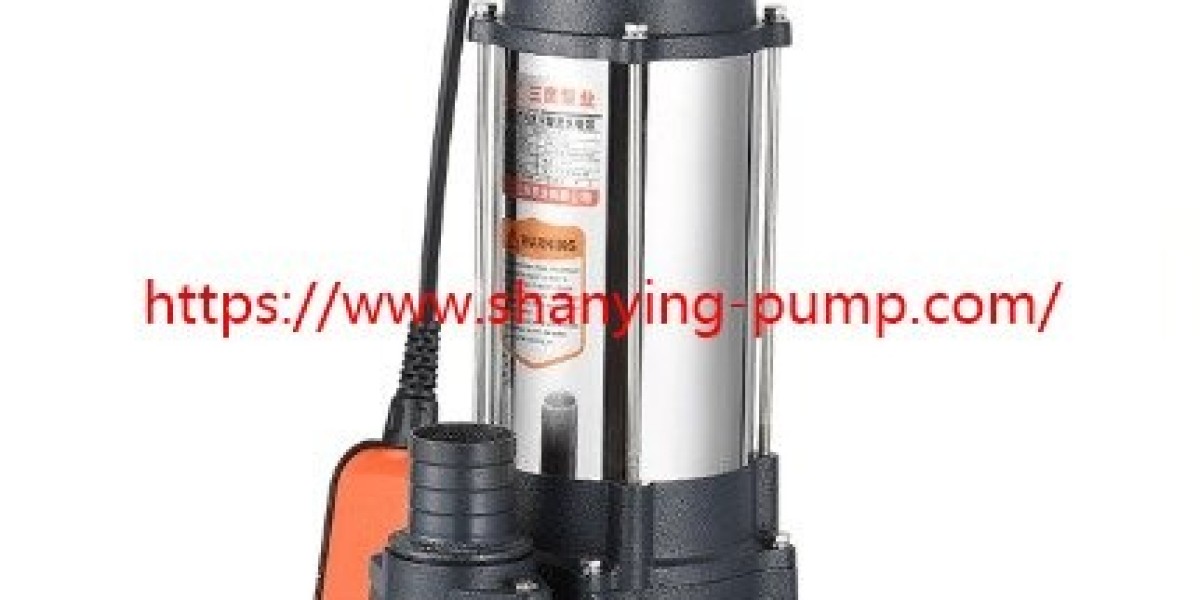
Product appearance and structural design also influence practical usability. A well-organized housing protects internal mechanisms while allowing the equipment to be positioned and connected conveniently. The relationship between the cutting inlet, pump body, and discharge outlet should support the intended installation arrangement. Surface finishing, component assembly, and protective construction contribute to the overall manufacturing quality that buyers examine when comparing different products.
Taizhou Shanying Pump Co., Ltd. incorporates pump research and development, manufacturing, sales, and service into its business operations. Its product range includes stainless steel cutting pumps and other sewage pumping solutions designed for different water handling conditions. The company also provides product testing and quality management support as part of its manufacturing activities. Buyers interested in exploring cutting pump designs, product options, and wastewater handling solutions can learn more through its official website: https://www.shanying-pump.com/.