
Stress can affect many functions in the body, including the natural hair growth cycle. When someone experiences prolonged emotional pressure, physical strain, illness, or a major life change, they may notice increased hair shedding. Understanding the connection between stress and hair health is an important first step toward effective Hair Loss Treatment in Riyadh. Although stress-related hair loss is often temporary, identifying the trigger and choosing the right care can help support healthy regrowth.
One of the most common forms of stress-related hair loss is called telogen effluvium. It occurs when a significant number of hair follicles enter the resting phase earlier than expected, leading to increased shedding several weeks or months after a stressful event. With professional guidance and suitable Hair Loss Treatment in Riyadh, patients can identify possible causes, manage contributing factors, and develop a personalized approach to improving hair health.
How Does Stress Cause Hair Loss?
Hair grows in a repeating cycle consisting of growth, transition, resting, and shedding phases. Normally, only a small percentage of hair follicles are in the resting phase at one time. However, significant physical or emotional stress may disrupt this balance and cause more follicles than usual to enter the resting stage.
This condition is commonly known as telogen effluvium. Increased shedding may become noticeable around two to three months after the triggering event. Common triggers include work pressure, emotional difficulties, surgery, serious illness, sleep deprivation, rapid weight loss, and major lifestyle changes.
In some individuals, prolonged stress may also aggravate existing hair conditions, such as androgenetic alopecia. This means stress may not always be the only reason for hair loss.
Common Signs of Stress-Related Hair Loss
Recognizing the symptoms can help patients seek appropriate care before excessive shedding becomes a concern. Common signs include:
Increased hair falling out during washing or brushing.
More hair collecting on pillows, clothing, or shower drains.
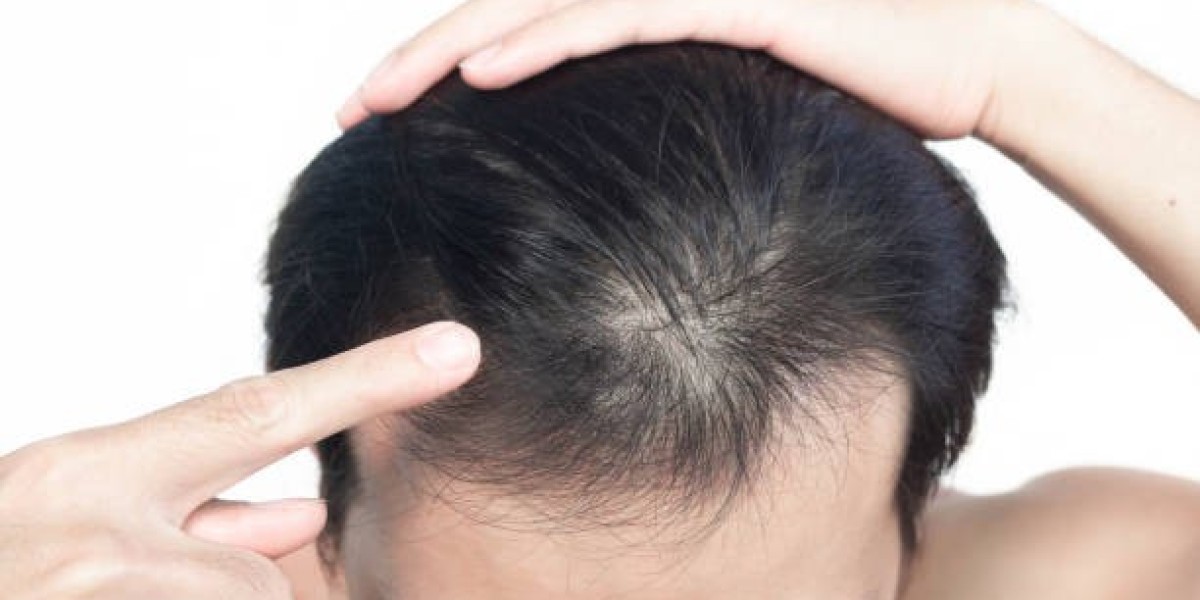
Noticeable thinning across the scalp rather than one specific area.
Reduced hair volume and a less dense appearance.
A wider-looking hair part or more visible scalp.
Increased shedding after a stressful event or illness.
Stress-related shedding generally affects the scalp diffusely. Sudden bald patches, scalp pain, redness, scaling, or scarring may indicate another condition and should be assessed by a dermatologist.
How to Treat Hair Loss Caused by Stress
Treatment depends on the cause, severity, and duration of hair shedding. Since stress-related telogen effluvium often improves after the trigger is addressed, the main goal is to restore a healthy hair cycle and correct any additional problems.
1. Identify and Manage the Stress Trigger
The first step is to understand what may have caused the increased shedding. A dermatologist may ask about recent illnesses, emotional stress, surgery, medication changes, dietary restrictions, and major life events.
Managing stress through relaxation techniques, regular physical activity, counselling, or other suitable support may improve overall well-being. Although stress management does not guarantee immediate hair regrowth, it can help reduce ongoing strain on the body.
2. Maintain a Balanced and Nutritious Diet
Hair follicles need adequate nutrients to support normal growth. A balanced diet containing protein, iron, zinc, vitamins, and other essential nutrients can help maintain healthy hair.
Include foods such as eggs, fish, beans, leafy green vegetables, nuts, and whole grains. Avoid crash diets and restrictive eating patterns, as inadequate calorie or protein intake may contribute to additional shedding.
Supplements should only be considered when a deficiency is identified or a healthcare professional recommends them. Taking unnecessary supplements may not improve hair growth and can sometimes cause harm.
3. Improve Sleep and Daily Habits
Poor sleep and irregular routines can make stress more difficult to manage. Aim for consistent sleep, regular meals, and moderate exercise. These habits support general health and may help the body recover after periods of physical or emotional strain.
Gentle hair care is also important. Avoid excessive heat styling, tight hairstyles, harsh chemical treatments, and aggressive brushing while shedding is noticeable.
4. Consider Medical Hair Loss Treatments
If shedding continues or another hair condition is present, a dermatologist may recommend medical treatment based on the diagnosis. Minoxidil may be considered in selected cases, particularly when pattern hair loss also contributes to thinning. However, it is not necessary for every case of temporary telogen effluvium.
Other treatments may be discussed when an underlying condition is identified. The choice depends on individual health, medical history, and the specific type of hair loss.
5. Explore Professional Hair Restoration Options
Some patients may ask about professional options such as platelet-rich plasma (PRP) therapy or low-level laser therapy. PRP involves using a preparation made from the patient's own blood, while low-level laser devices use specific light wavelengths to support hair follicles.
Evidence and results vary, and these options are not guaranteed solutions for stress-related shedding. A specialist should first determine whether the patient is an appropriate candidate and whether the treatment is likely to address the underlying problem.
How Long Does Stress-Related Hair Loss Last?
Temporary stress-related hair shedding often improves once the triggering factor has been resolved. In many cases, shedding gradually decreases over several months, while visible regrowth may take longer because hair grows slowly.
Recovery varies between individuals. If excessive shedding continues for more than six months, becomes worse, or is accompanied by other symptoms, a medical assessment is important. Persistent hair loss may indicate nutritional deficiencies, thyroid problems, pattern hair loss, or another scalp condition.
When Should You See a Dermatologist?
Consider consulting a dermatologist if you notice sudden or excessive shedding, visible thinning, bald patches, scalp discomfort, or hair loss that does not improve. A specialist may examine the scalp, review your medical history, and recommend blood tests when appropriate.
Professional Hair Loss Treatment in Riyadh can help determine whether stress, nutritional problems, hormonal changes, or another medical condition is contributing to hair shedding. An accurate diagnosis makes it easier to choose suitable care instead of relying on treatments that may not address the actual cause.
Book Your Hair Consultation at Royal Clinic Saudia
If stress has affected your hair health, seeking professional advice can help you understand the cause and explore suitable treatment options. Royal Clinic Saudia offers consultations to assess hair concerns and discuss personalized care approaches. Schedule an appointment to receive guidance based on your scalp condition, medical history, and hair restoration goals.
FAQs:
Can stress-related hair loss grow back?
Yes, stress-related telogen effluvium is often temporary. Once the triggering factor is addressed, hair shedding usually decreases and regrowth may occur gradually. Recovery time varies depending on individual health and whether other conditions are present.
How long after stress does hair loss begin?
Hair shedding commonly becomes noticeable around two to three months after a stressful event. This delay occurs because stress can push more hair follicles into the resting phase before they eventually shed.
Can lack of sleep cause hair loss?
Poor sleep may contribute to physical stress and affect overall health. Although lack of sleep is not always a direct cause of hair loss, persistent sleep problems may contribute to conditions that influence the hair growth cycle.
Which treatment is best for stress-related hair loss?
The best approach depends on the cause and type of hair loss. Managing stress, improving nutrition, getting sufficient sleep, and treating underlying health problems are important steps. A dermatologist can determine whether additional medical or hair restoration treatments are appropriate.