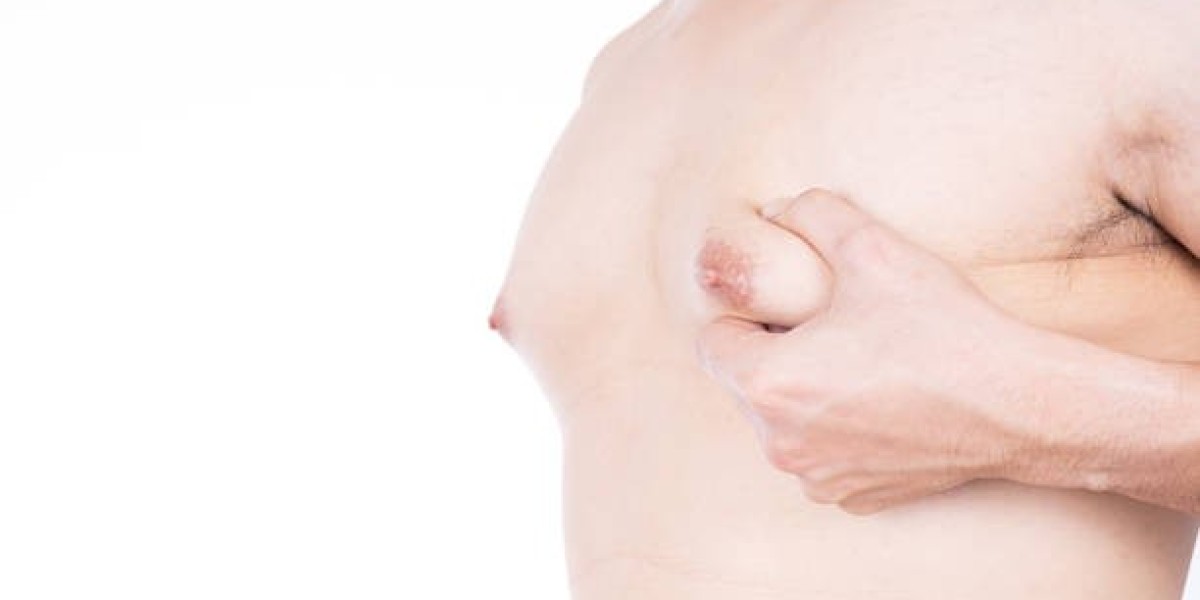

An enlarged male chest can affect body proportions, clothing choices, and personal confidence. Gynecomastia occurs when glandular breast tissue becomes enlarged, sometimes alongside excess fat in the chest area. For men who experience persistent enlargement, Treatment for gynecomastia in men in Riyadh (كم تكلفة عملية التثدي عند الرجال في السعودية) may offer a surgical option to create a flatter and more defined chest contour. By removing excess tissue and addressing unwanted fat, gynecomastia surgery can help improve the overall appearance of the chest while maintaining a natural look.
Understanding the Connection Between Gynecomastia and Chest Appearance
Gynecomastia can develop because of changes in the balance between estrogen and testosterone. It may occur during puberty, adulthood, or later life. Certain medications, hormonal conditions, and underlying health concerns can also contribute to breast tissue enlargement.
The condition may create a rounded, swollen, or uneven chest appearance. Some men notice fullness around the nipples, while others experience enlargement across a wider area of the chest. The appearance depends on the amount of glandular tissue, fat distribution, and skin elasticity.
It is also important to distinguish gynecomastia from pseudogynecomastia, which involves excess fat rather than enlarged glandular tissue. Some individuals have both. Identifying the underlying cause helps determine which treatment approach may be appropriate.
How Gynecomastia Surgery Improves Chest Contours
Gynecomastia surgery focuses on reducing excess breast tissue to create a flatter and more proportionate chest. The specific technique depends on the patient's anatomy and the type of enlargement.
Removing Excess Glandular Tissue
When enlarged glandular tissue is responsible for chest fullness, surgical excision may be recommended. The surgeon removes the excess tissue through carefully planned incisions, often positioned around the edge of the areola when appropriate.
This approach can reduce prominent breast tissue and improve the chest's overall shape. The amount removed depends on the patient's needs and the surgeon's assessment.
Reducing Excess Chest Fat
Liposuction may be used when excess fat contributes to chest enlargement. Small incisions allow a thin cannula to remove unwanted fat and improve the contour of the treated area.
For patients with both glandular enlargement and excess fat, liposuction may be combined with tissue excision. This allows the surgeon to address different causes of chest fullness during the same procedure.
Improving Chest Proportions
A flatter chest can create a more balanced relationship between the chest, shoulders, and upper body. By reducing unwanted fullness, surgery may help the chest appear more defined and proportionate.
However, the result depends on factors such as muscle development, skin elasticity, body composition, and individual anatomy. Gynecomastia surgery removes excess tissue but does not replace strength training or create additional chest muscle.
How Surgery Can Support a More Masculine Appearance
A masculine-looking chest is influenced by several factors, including natural body structure, muscle definition, and the distribution of soft tissue. Gynecomastia may create a rounded appearance that some men feel does not match their preferred body proportions.
By addressing enlarged glandular tissue and excess fat, Treatment for gynecomastia in men in Riyadh may help create a flatter chest profile. Some patients also notice improved clothing fit and feel more comfortable participating in activities such as swimming or exercising.
The procedure is intended to improve physical contours rather than define masculinity through a particular body shape. Individual goals should guide the treatment plan, and outcomes will vary from person to person.
What Happens During the Surgical Process?
The process usually begins with a consultation and physical examination. The surgeon reviews the patient's medical history, evaluates chest tissue, and discusses the desired changes. Additional tests may be recommended when necessary, especially if the cause of breast enlargement has not been established.
The procedure is commonly performed under general anesthesia, although the approach depends on the surgical plan. Liposuction, glandular tissue removal, or a combination of both may be used. Incision placement and technique are selected according to the amount and location of excess tissue.
Before surgery, patients should discuss anesthesia, possible scarring, expected recovery, and potential complications. These may include bleeding, infection, fluid accumulation, changes in nipple sensation, asymmetry, and contour irregularities.
Recovery and Chest Appearance After Surgery
Following gynecomastia surgery, temporary swelling, bruising, tightness, and tenderness are common. These effects gradually improve as the body heals, although the timeline varies between individuals.
A compression garment may be recommended to support the treated area and help manage swelling. Patients should follow instructions about wound care, medication, and activity restrictions. Heavy lifting and strenuous chest exercises should be avoided until the surgeon confirms that it is safe to resume them.
The initial chest contour may be visible after surgery, but swelling can temporarily affect the appearance. Final results become clearer as healing progresses. Maintaining a stable weight and addressing any underlying hormonal or medication-related causes may help support the outcome.
Who May Benefit From Gynecomastia Surgery?
Men with persistent glandular breast enlargement who are in suitable general health may be candidates for surgery. Individuals should ideally have a stable weight and realistic expectations about what the procedure can achieve.
New or unexplained breast enlargement should be medically evaluated before considering cosmetic surgery. In some cases, treating an underlying condition or reviewing medication use may be necessary. A specialist can determine whether surgery is appropriate and explain the available options.
Choosing the Right Approach for Chest Enhancement
Creating a flatter and more balanced chest requires an approach based on the patient's anatomy, tissue composition, and personal goals. Treatment for gynecomastia in men in Riyadh may involve liposuction, glandular tissue removal, or both, depending on the clinical assessment. Understanding the procedure, recovery process, and possible risks helps patients make informed decisions.
Men interested in improving chest contours can consult the medical team at Royal Clinic Saudia (عيادات رويال كلينك) for an individual assessment and guidance about suitable treatment options. A personalized consultation can help clarify expectations and determine whether gynecomastia surgery is an appropriate choice.