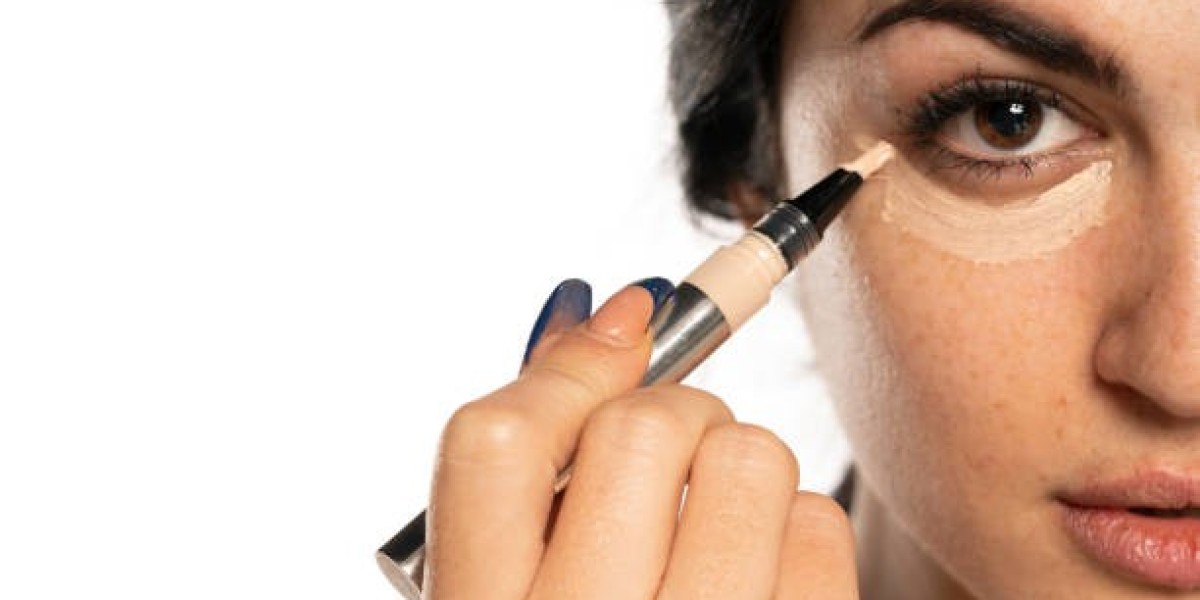

Dark circles and under-eye bags are two common concerns that can make the face look tired or older than it really is. Although they often appear together, they are not the same condition. Dark circles usually involve discoloration beneath the eyes, while under-eye bags are associated with puffiness, swelling, or changes in the tissues around the lower eyelids. Understanding the difference is important because each concern may require a different approach to improve its appearance.
Some people notice brown, blue, or purple shadows beneath their eyes, while others experience visible puffiness that becomes more noticeable in the morning or with age. In certain cases, both concerns occur at the same time. Identifying the underlying cause can help you explore appropriate Dark Circles Treatment in Riyadh and avoid choosing a procedure that does not address your main concern.
What Are Dark Circles Under the Eyes?
Dark circles refer to darker-looking skin or shadows beneath the lower eyelids. They may appear brown, grey, blue, or purple depending on skin tone, pigmentation, blood vessels, and facial structure.
Dark circles are not always caused by poor sleep. Genetics, sun exposure, allergies, inflammation, thin skin, and natural facial changes can all contribute to their appearance.
Common Causes of Dark Circles
Several factors can make the under-eye area look darker:
Excess pigmentation: Increased melanin can create brown or darker patches beneath the eyes.
Thin skin: Delicate skin may make underlying blood vessels more visible, creating a bluish or purplish appearance.
Genetics: Some people naturally have darker pigmentation or deeper under-eye contours.
Allergies: Nasal congestion and frequent eye rubbing may contribute to under-eye discoloration.
Age-related changes: Skin thinning and volume loss can make shadows more noticeable.
Sun exposure: Ultraviolet radiation may contribute to increased pigmentation.
The appearance of dark circles varies from person to person because more than one factor may be involved.
What Are Under-Eye Bags?
Under-eye bags are areas of puffiness or swelling beneath the eyes. They may look like soft, rounded bulges or more defined pockets under the lower eyelids. Some people experience temporary puffiness, while others develop more persistent changes as they age.
Under-eye bags can result from fluid retention, lifestyle factors, genetics, or changes in the tissues that support the lower eyelids.
Common Causes of Under-Eye Bags
The most frequent contributing factors include:
Fluid retention: Salt intake, sleep patterns, and other factors can contribute to temporary swelling.
Ageing: Supporting tissues may weaken over time, allowing fat around the eyes to become more prominent.
Genetics: Family history can influence the likelihood of developing under-eye bags.
Allergies: Allergic reactions may cause inflammation and temporary puffiness.
Lifestyle factors: Lack of sleep, smoking, and dehydration may make puffiness more noticeable.
Natural facial anatomy: Some people have under-eye contours that make bags more visible.
Persistent or sudden swelling should not automatically be assumed to be a cosmetic concern. New, severe, painful, or one-sided swelling deserves medical assessment.
Dark Circles vs Under-Eye Bags: What Is the Difference?
Although both concerns affect the lower eyelid area, their appearance and underlying causes are different.
Difference in Appearance
Dark circles mainly involve discoloration or shadowing. The skin may look brown, grey, blue, or purple without any obvious swelling.
Under-eye bags involve puffiness or bulging. The area may look raised or swollen, particularly beneath the lower eyelid.
Difference in Causes
Dark circles are often associated with pigmentation, visible blood vessels, thin skin, allergies, or facial hollowness.
Under-eye bags are more commonly linked to fluid retention, ageing-related tissue changes, genetics, or prominent fat pockets.
Difference in Treatment
Treatments for dark circles depend on whether the concern is pigmentation, visible blood vessels, or structural shadowing. Under-eye bags may require approaches focused on reducing temporary puffiness or addressing changes in the lower eyelid tissues.
A treatment that improves pigmentation may not reduce puffiness, while a procedure designed for under-eye bags may not improve brown discoloration.
Can You Have Dark Circles and Under-Eye Bags at the Same Time?
Yes. It is common for both concerns to appear together. For example, someone may have puffiness beneath the eyes that creates additional shadows, making the area look darker. Age-related volume changes can also produce hollowness alongside visible under-eye bags.
Allergies may contribute to both swelling and discoloration, particularly when they lead to frequent rubbing or ongoing inflammation.
When both concerns are present, a practitioner should assess each separately. Treating only one may improve the overall appearance, but it may not resolve the other.
How Are Dark Circles Diagnosed?
A professional assessment can help determine what is causing under-eye discoloration. The practitioner may examine the colour, texture, skin thickness, and contours of the area.
Identifying Pigmentation
Brown or darker discoloration may suggest excess melanin or post-inflammatory pigmentation. A history of sun exposure, allergies, irritation, and skin sensitivity can help guide the assessment.
Assessing Visible Blood Vessels
Blue or purple tones may be associated with thin skin and visible underlying blood vessels. These cases may require a different approach from pigment-related darkness.
Checking for Structural Shadows
Hollows beneath the eyes can create shadows that resemble dark circles. Examining the facial contours can help distinguish actual pigmentation from darkness caused by volume loss.
Treatment Options for Dark Circles
The best approach depends on the cause, skin type, and individual treatment goals. Options may include the following.
Topical Skincare
Selected skincare ingredients may help improve superficial pigmentation or support hydration. Gentle formulations are important because the skin around the eyes is delicate. Daily sun protection can also help prevent pigmentation from becoming more noticeable.
Laser Treatments
Certain laser technologies may be considered for specific pigmentation concerns. Treatment suitability depends on skin tone, the type of discoloration, and the device used. Potential risks include irritation and post-inflammatory hyperpigmentation, so appropriate assessment and eye protection are essential.
Chemical Peels
Professionally selected chemical peels may help improve some forms of superficial pigmentation. However, not every peel is suitable for the under-eye area. Incorrect application or excessive strength can irritate the skin and worsen discoloration.
Under-Eye Fillers
For selected individuals, fillers may help reduce shadows caused by tear-trough hollowness. They do not remove excess pigmentation or treat under-eye bags. Risks include swelling, lumps, vascular occlusion, and rare but serious vision-threatening complications. Only a highly qualified and experienced medical professional should assess and perform this treatment.
Treatment Options for Under-Eye Bags
Under-eye bags need a different treatment strategy depending on whether the puffiness is temporary or caused by lasting anatomical changes.
Cold Compresses and Lifestyle Adjustments
For temporary puffiness, a cool compress may help reduce swelling. Getting adequate sleep, limiting excessive salt intake, and managing allergies may also improve the appearance of fluid-related puffiness.
Medical Assessment
Persistent or significant puffiness should be assessed to identify possible contributing factors. If the swelling is related to allergies or another medical issue, addressing that cause may be more useful than cosmetic treatment.
Lower Eyelid Surgery
For selected patients with prominent fat pockets or age-related changes beneath the eyes, lower eyelid surgery may be discussed with an appropriately qualified surgeon. The procedure is designed to address structural changes rather than pigmentation alone. Suitability, benefits, recovery, and risks require an individual consultation.
How to Choose the Right Under-Eye Treatment
Before selecting a treatment, consider whether the main concern is colour, puffiness, hollowness, or a combination of these features.
A professional consultation can help identify the underlying cause, review medical history, and discuss suitable options. It is also important to understand realistic outcomes. No single procedure can correct every type of dark circle or under-eye bag, and some people may benefit more from conservative skincare and lifestyle changes.
Explore Dark Circles Treatment in Riyadh at Royal Clinic Saudia
Dark circles and under-eye bags may look similar at first, but they have different causes and often require different treatments. Understanding whether your concern involves pigmentation, puffiness, visible blood vessels, or facial hollowness is the first step towards choosing an appropriate approach.
Royal Clinic Saudia offers personalised aesthetic consultations to discuss your concerns and explore possible treatment options. Book an appointment to discuss your under-eye concerns and learn which approach may be suitable for you.
FAQs:
Are dark circles and under-eye bags the same thing?
No. Dark circles involve discoloration or shadowing beneath the eyes, while under-eye bags refer to puffiness or bulging. They can occur separately or together.
Can under-eye bags make dark circles look worse?
Yes. Puffiness and changes in the under-eye contour can create shadows that make the area appear darker, even when excess pigmentation is not the main cause.
Can eye creams treat both dark circles and under-eye bags?
Some eye creams may temporarily improve hydration or the appearance of mild puffiness. Others contain ingredients intended to address superficial pigmentation. However, creams cannot reliably correct genetic dark circles, prominent fat pockets, or significant structural changes.
Which treatment is best for dark circles and under-eye bags?
There is no single best treatment for everyone. The appropriate option depends on whether the concern is pigmentation, visible blood vessels, fluid retention, or structural changes. A professional assessment can help determine the most suitable approach.









