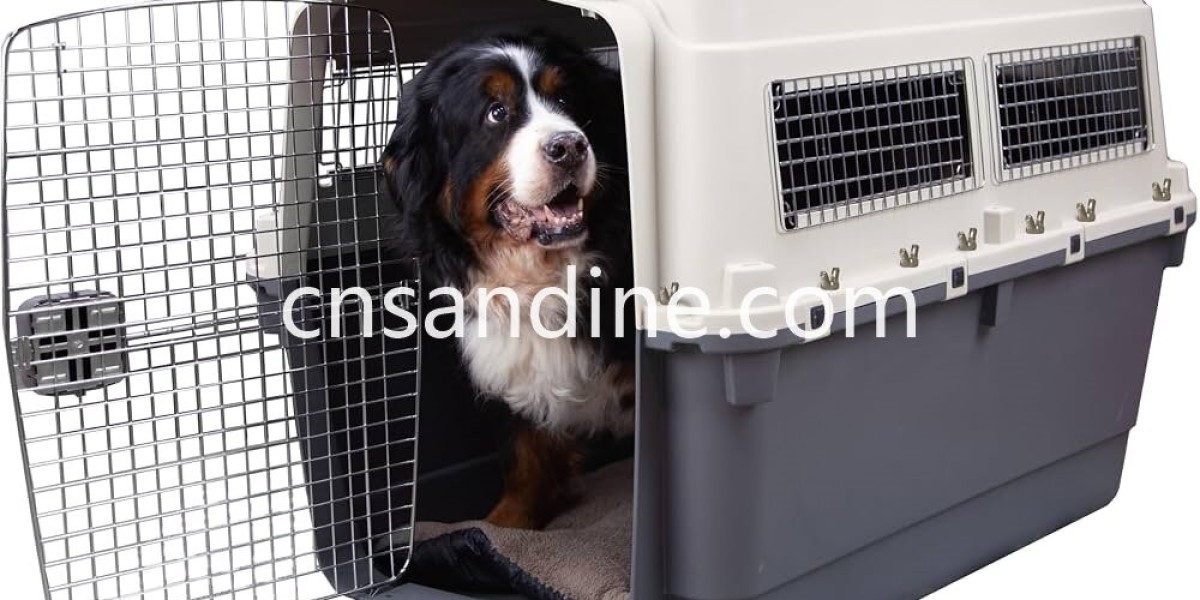

Airline Pet Crate selection requires careful consideration of animal comfort, product construction, and transportation conditions. For importers, distributors, and retailers, purchasing decisions should go beyond appearance and unit price. A suitable travel enclosure needs to match the animal's measurements, provide appropriate ventilation, and maintain a secure structure during handling. Buyers should also check the requirements of the carrier responsible for the journey before confirming an order.
Begin With Accurate Measurements
Choosing an appropriate size starts with measuring the animal rather than relying only on breed names or body weight. Buyers should consider body length, shoulder width, and standing height when comparing available models.
The interior should provide enough room for the animal to stand naturally, sit upright, turn around, and lie down. An enclosure that looks spacious from the outside may offer less usable room because of wall thickness, door structures, or internal accessories.
Request internal and external dimensions separately from the manufacturer. It is also useful to consider the thickness of bedding and any feeding accessories placed inside. Accurate measurements can help narrow down suitable models and reduce the risk of ordering an unsuitable size.
Examine Material Specifications
Material selection affects product weight, rigidity, surface finish, and resistance to handling. Rigid plastic is commonly used in transportation products because it can be molded into different shapes and structural configurations.
Buyers should ask about the material grade, wall thickness, surface treatment, and connection between the upper and lower sections. These details can influence the overall construction and suitability for repeated use.
The interior and exterior surfaces should also be inspected for rough edges, sharp projections, or visible defects. A practical design should balance product weight, usable space, and structural support. Requesting a sample allows buyers to examine these details before placing a larger order.
Review Ventilation and Interior Conditions
Air circulation is an important factor during transportation. Buyers should check the location, number, and dimensions of ventilation openings instead of judging the design by appearance alone.
The openings should support suitable airflow while preventing the animal from pushing its nose or paws through unsafe gaps. Their placement should also be considered in relation to surrounding cargo and handling conditions.
Interior conditions deserve equal attention. The floor should provide a stable surface, while the available space should accommodate natural movement without unnecessary obstruction. Buyers can request product drawings or sample photographs to review the opening layout before confirming specifications.
Check Door Construction and Locking Features
The door controls access and helps keep the animal securely inside during handling. Buyers should examine the door material, hinge arrangement, locking points, and connection with the main body.
A practical locking system should resist accidental opening while remaining manageable for handlers. The fastening method used to connect the upper and lower sections also deserves attention. Buyers can ask whether the design uses suitable hardware and whether replacement components are available.
During sample evaluation, open and close the door several times. Check whether the lock engages correctly, the hinges move smoothly, and the assembled structure remains stable. These checks can help identify design issues before mass production.
Consider Accessories and Packaging
Additional accessories may include food and water containers, absorbent bedding, identification labels, and carrying features. Buyers should confirm which items are included in the quotation and which are optional.
Accessory placement should not reduce usable interior space or interfere with movement. If the product will be sold through retail channels, packaging should also provide clear product information and protect the enclosure during storage.
For wholesale orders, discuss carton dimensions, protective materials, packing quantities, and container loading arrangements. A confirmed packaging sample can help both parties understand how the finished goods will be prepared for shipment.
Discuss Customization and Production Details
Different markets may have different preferences for colors, dimensions, shapes, and branding. Buyers planning OEM or private-label projects should communicate these requirements before production begins.
Drawings, reference photographs, color samples, and existing product specifications can help the manufacturer assess the requested changes. Buyers should also ask whether customization will affect tooling, minimum order quantities, or production schedules.
Before approving mass production, confirm the sample approval process, inspection arrangements, delivery schedule, and packaging specifications. Keeping these details in written records helps prevent differences between the approved design and the delivered goods.
Evaluate Quality Control and Supplier Communication
Consistent production is important when purchasing in bulk. Buyers should ask how the manufacturer checks dimensions, material consistency, surface finish, door operation, and assembly quality.
A clear inspection process may include sample comparisons, measurement records, visual checks, and functional evaluations. Buyers should agree on acceptance criteria before production so that both parties understand the required product condition.
Communication is another useful factor when comparing suppliers. Consider whether the manufacturer answers technical questions clearly, provides detailed quotations, and reports production changes in a timely manner. At kingschains, clear product specifications and project communication can help buyers assess available options for their target markets.Selecting a suitable travel enclosure involves more than comparing product appearance and price. Buyers should consider animal measurements, structural design, ventilation, locking features, accessories, packaging, and supplier communication. Confirming these details before production can help reduce specification differences and support a smoother purchasing process. To review available transportation products or discuss wholesale and customization requirements, visit https://www.cnsandine.com/ and contact the team with your project details.