
A blood sugar test is one of the simplest yet most important ways to understand your overall health. Whether you are experiencing unusual thirst, frequent urination, unexplained fatigue, or simply want to monitor your health, checking your Blood Sugar Test Dubai levels can provide valuable information about how your body manages sugar. It is also an essential part of diagnosing and monitoring diabetes and prediabetes.
However, many people have questions before getting tested. Do you need to fast? Which blood sugar test should you choose? What do normal glucose levels look like? And how should you prepare to get accurate results?
Understanding these details can help you approach your test with confidence. This guide explains the different types of blood sugar tests, preparation requirements, normal ranges, testing procedures, and what your results may mean.
What Is a Blood Sugar Test and Why Is It Important?
A blood sugar test, also known as a blood glucose test, measures the amount of glucose circulating in your bloodstream. Glucose is the body's primary source of energy and mainly comes from carbohydrates in the foods and drinks you consume.
The hormone insulin, produced by the pancreas, helps glucose enter your cells so it can be used for energy. When your body does not produce enough insulin or cannot use it effectively, glucose can accumulate in your bloodstream.
A blood glucose test helps healthcare professionals identify problems with blood sugar regulation. It can detect elevated glucose levels, support the diagnosis of diabetes, identify prediabetes, and help people with diabetes evaluate how well their treatment is working.
Regular testing is particularly important because high blood sugar does not always cause noticeable symptoms in its early stages.
When Should You Consider Getting Your Blood Sugar Tested?
You do not necessarily need to experience symptoms before getting a blood glucose test. Routine screening can identify potential problems before complications develop.
Your healthcare provider may recommend testing if you experience:
Increased thirst or dry mouth.
Frequent urination, especially during the night.
Unexplained weight loss.
Persistent tiredness or weakness.
Blurred vision.
Increased hunger.
Slow-healing cuts or wounds.
Frequent infections.
Certain risk factors may also increase your chances of developing type 2 diabetes. These include being overweight, having a family history of diabetes, physical inactivity, high blood pressure, and a history of gestational diabetes.
Adults aged 35 to 70 who have overweight or obesity are among the groups for whom routine screening is recommended by the US Preventive Services Task Force.
5 Main Types of Blood Sugar Tests Explained:
Not all glucose tests measure blood sugar in the same way. Each test provides different information, and your healthcare provider will recommend the most appropriate option based on your symptoms, medical history, and screening needs.
1. Fasting Blood Sugar Test
A fasting blood sugar test measures glucose levels after you have avoided food and drinks other than plain water for at least eight hours.
It is commonly used to screen for diabetes and prediabetes.
The procedure is straightforward: a healthcare professional collects a blood sample, usually from a vein in your arm, and sends it to a laboratory for analysis.
Fasting blood glucose is particularly useful because it shows how your body regulates sugar when you have not recently eaten.
2. Random Blood Sugar Test
A random blood glucose test measures your blood sugar at any time of the day, regardless of when you last ate.
Unlike a fasting glucose test, it does not require special preparation.
Doctors may recommend this test when someone has symptoms of significantly elevated blood sugar, such as excessive thirst, frequent urination, and unexplained weight loss.
A random blood glucose result of 200 mg/dL or higher, alongside classic symptoms of diabetes or a hyperglycemic crisis, can indicate diabetes.
3. HbA1c Test
The HbA1c test, also called the glycated hemoglobin test, measures your average blood sugar over approximately the previous two to three months.
It works by measuring the percentage of hemoglobin in your red blood cells that has glucose attached to it.
One major advantage is that you do not need to fast before an HbA1c test.
It is commonly used to diagnose prediabetes and type 2 diabetes and to monitor long-term glucose control in people already diagnosed with diabetes.
However, certain conditions, including some forms of anemia, recent blood loss, and hemoglobin disorders, can affect the accuracy of HbA1c results.
4. Oral Glucose Tolerance Test (OGTT)
An oral glucose tolerance test evaluates how efficiently your body processes glucose after consuming a sugary drink.
First, your fasting blood glucose level is measured. You then drink a solution containing a specific amount of glucose. Another blood sample is collected after a scheduled period, commonly two hours.
This test is frequently used to diagnose gestational diabetes during pregnancy and can also help identify abnormalities in glucose metabolism.
5. Postprandial Blood Sugar Test
A postprandial blood sugar test measures glucose levels after a meal, usually two hours after the beginning of eating.
It helps healthcare professionals understand how your body responds to food and whether blood glucose returns toward an expected level after eating.
This test can be useful for monitoring diabetes management and evaluating post-meal glucose fluctuations.
What Are Normal Blood Sugar Levels?
Understanding blood sugar test results is important, but normal ranges depend on the type of test being performed.
The following reference values apply primarily to nonpregnant adults.
Fasting Blood Glucose Levels
| Blood Sugar Level | Interpretation |
|---|---|
| Below 100 mg/dL | Normal |
| 100–125 mg/dL | Prediabetes |
| 126 mg/dL or higher | Diabetes range |
HbA1c Levels
| HbA1c Result | Interpretation |
|---|---|
| Below 5.7% | Normal |
| 5.7%–6.4% | Prediabetes |
| 6.5% or higher | Diabetes range |
Two-Hour Oral Glucose Tolerance Test
| Blood Sugar Level | Interpretation |
|---|---|
| Below 140 mg/dL | Normal |
| 140–199 mg/dL | Prediabetes |
| 200 mg/dL or higher | Diabetes range |
A result in the diabetes range generally requires confirmation with a repeat test unless there is clear clinical evidence of diabetes.
These diagnostic thresholds should not be confused with personalized blood sugar targets for people already living with diabetes. Their treatment goals may be different.
How to Prepare for a Blood Sugar Test?
Proper preparation helps ensure that your test results are reliable. Although some glucose tests require no preparation, others have specific requirements.
Here are some practical steps to follow before your appointment.
Follow fasting instructions: If you are scheduled for a fasting blood glucose or oral glucose tolerance test, avoid food and caloric beverages for at least eight hours or according to your laboratory's instructions. Plain water is generally permitted.
Avoid unusual eating habits: Try to maintain your regular eating pattern before testing rather than making sudden dietary changes.
Discuss medications: Certain medications can influence blood glucose readings. Inform your healthcare provider about prescription medicines, supplements, and over-the-counter products. Never stop prescribed medication without medical advice.
Stay hydrated: Drinking plain water before a blood test can make it easier for healthcare professionals to collect your sample.
Avoid strenuous exercise before testing: Intense physical activity can temporarily influence blood glucose levels. Follow your healthcare provider's instructions regarding exercise before the appointment.
Ask about pregnancy-related testing: If you are pregnant, glucose testing may involve different preparation instructions and diagnostic thresholds.
What Happens During a Blood Glucose Test?
Most blood sugar tests are quick and relatively simple.
For a standard laboratory test, a healthcare professional usually follows these steps:
A small area of your arm is cleaned with an antiseptic.
An elastic band may be placed around your upper arm to make the vein easier to locate.
A sterile needle is inserted into a vein.
Blood is collected into a suitable sample tube.
The needle is removed, and pressure is applied to the area.
You may feel a brief pinch or mild discomfort during the procedure. Most people can return to their normal activities shortly afterward.
For some tests, a finger-prick blood sample may be used instead of a vein sample. Home glucose meters also use finger-prick testing to provide immediate blood sugar readings.
What Do High or Low Blood Sugar Results Mean?
Blood glucose results can help identify whether your body is maintaining healthy glucose levels.
High blood sugar (hyperglycemia)
High blood sugar occurs when glucose levels rise above the expected range. It may be associated with insulin resistance, insufficient insulin production, diabetes, certain medications, illness, or stress.
Persistent hyperglycemia can increase the risk of complications affecting the eyes, kidneys, nerves, heart, and blood vessels.
Low blood sugar (hypoglycemia)
Low blood sugar generally refers to glucose below 70 mg/dL, particularly in people receiving diabetes treatment.
Common symptoms include sweating, shaking, dizziness, hunger, irritability, and a rapid heartbeat.
Severe hypoglycemia can cause confusion, seizures, or unconsciousness and requires immediate medical attention.
If someone is unconscious or unable to swallow safely, do not give them food or drink by mouth. Seek emergency medical assistance.
How Often Should You Get a Blood Sugar Test?
The frequency of blood glucose testing depends on your age, medical history, risk factors, and previous results.
People with normal glucose levels may only require periodic screening based on their individual risk.
Individuals diagnosed with prediabetes may benefit from annual testing to monitor changes in glucose regulation.
People living with diabetes may need more frequent monitoring through home blood glucose testing, continuous glucose monitoring, and periodic HbA1c measurements.
For many adults with diabetes, HbA1c testing is performed approximately every three months when treatment changes or glucose targets are not being met, and at least twice yearly when glucose levels are stable and treatment goals are achieved.
Your healthcare provider can recommend a schedule appropriate for your circumstances.
Can You Check Blood Sugar Levels at Home?
Yes. Home Blood Sugar Test allows people to measure their blood sugar without visiting a laboratory every time.
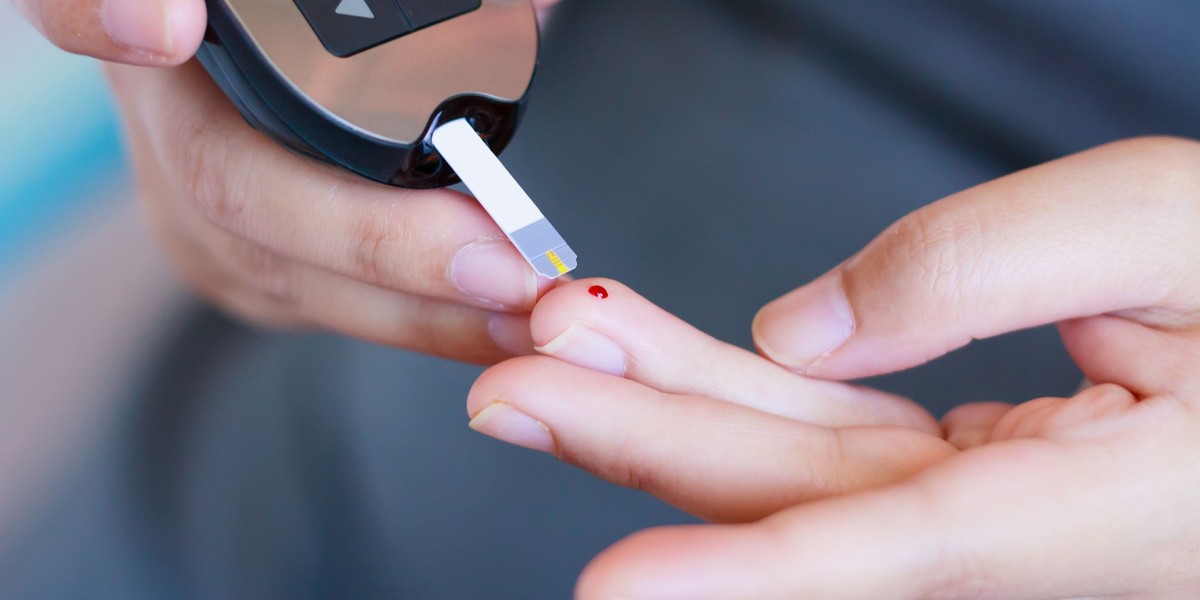
A standard glucose meter requires a small drop of blood obtained through a finger prick. The blood sample is placed on a compatible test strip, and the device displays a glucose reading within seconds.
Continuous glucose monitors (CGMs) offer another option. These devices use a small sensor placed under the skin to measure glucose levels in the fluid surrounding cells throughout the day and night.
Home monitoring is particularly helpful for people with diabetes who need to understand how meals, exercise, medication, and daily activities affect their glucose levels.
However, home glucose meters are not a replacement for laboratory testing when diagnosing diabetes.
Frequently Asked Questions About Blood Sugar Testing:
Is fasting necessary before every blood sugar test?
No. Fasting is generally required for fasting blood glucose and certain oral glucose tolerance tests. HbA1c and random blood glucose tests usually do not require fasting.
How long does a blood sugar test take?
The actual blood collection process generally takes only a few minutes. However, an oral glucose tolerance test may require several hours because blood samples are collected at scheduled intervals.
Can stress affect blood sugar test results?
Yes. Physical and emotional stress can increase certain hormones that influence glucose regulation, potentially raising blood sugar levels temporarily.
What is the best time to check blood sugar?
It depends on the purpose of testing. Fasting tests are performed after an overnight fast, while post-meal testing is commonly performed two hours after the beginning of a meal. Your healthcare provider can recommend the most suitable timing.
Does one high blood sugar reading mean I have diabetes?
Not necessarily. A single elevated reading does not always confirm diabetes. Healthcare professionals generally use established diagnostic criteria and repeat testing when confirmation is needed.
Is a blood sugar test painful?
Most blood glucose tests involve only mild, temporary discomfort. You may feel a small pinch during a finger prick or needle insertion.
Final Thoughts: Make Blood Sugar Testing Part of Your Preventive Healthcare
A blood sugar Lab tests provides important information about how your body manages glucose and can help identify diabetes and prediabetes before serious complications develop.
Whether you choose a fasting blood glucose test, HbA1c test, random glucose test, or oral glucose tolerance test, understanding the procedure and preparation requirements can make the experience easier.
Remember that test results should always be interpreted in the context of your overall health, medical history, and symptoms. If your results are outside the normal range, consult a qualified healthcare professional to discuss appropriate next steps.
Taking a proactive approach to blood glucose monitoring, maintaining a balanced diet, staying physically active, and attending recommended health screenings can support better long-term health.