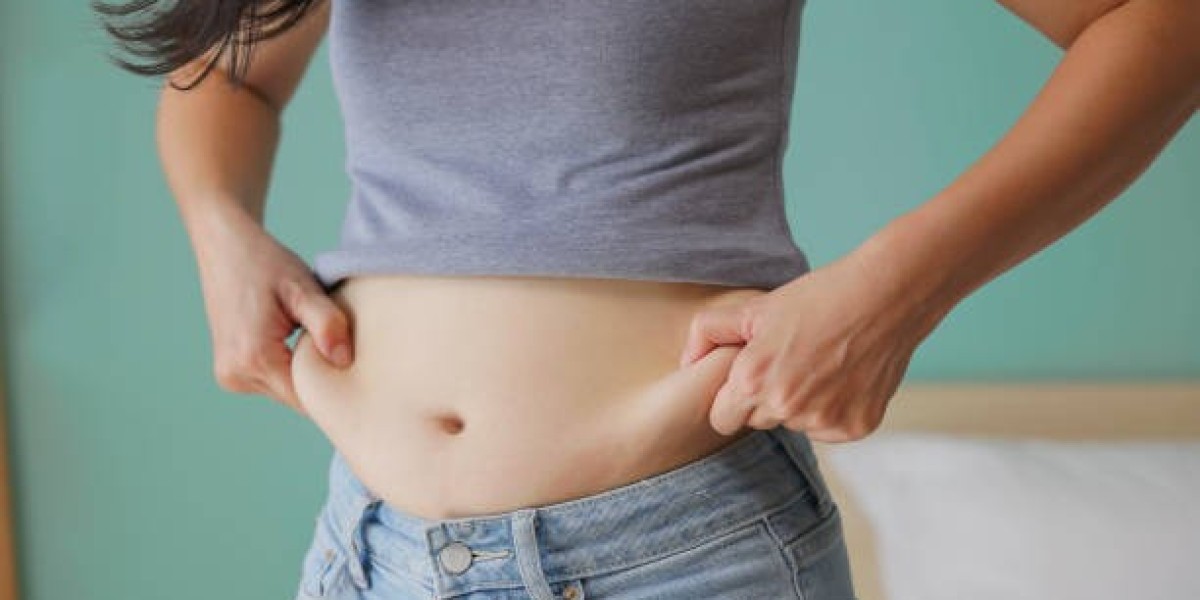

Lower abdominal fat is a common concern for people who maintain regular exercise routines and follow balanced diets but still notice fullness around their waistline. This area can be particularly resistant to visible changes because fat distribution is influenced by genetics, hormones, age, and individual body composition. Understanding these contributing factors can help patients choose suitable strategies for managing stubborn abdominal fat. how to get rid of belly fat is one option individuals may explore when localized fat deposits remain despite consistent lifestyle efforts.
Understanding Why Lower Abdominal Fat Accumulates
The lower abdomen is an area where subcutaneous fat can naturally accumulate. Its appearance varies between individuals, and some people are more likely to store fat around this region because of inherited body-shape characteristics.
Genetic Fat Distribution
Genetics influence how the body stores and distributes fat. Some individuals naturally carry more fat around their lower stomach, while others accumulate it around their hips, thighs, or upper abdomen.
This inherited pattern can make lower abdominal fullness more noticeable, even when overall body weight is relatively stable.
Hormonal Influences
Hormones play an important role in regulating appetite, metabolism, and fat storage. Changes associated with aging, pregnancy, menopause, or certain medical conditions may influence abdominal fat distribution.
Hormonal factors do not affect everyone in the same way. If abdominal weight gain occurs unexpectedly or alongside other symptoms, a healthcare professional can help identify possible underlying causes.
Aging and Changes in Body Composition
As people age, muscle mass may gradually decrease, while changes in activity levels and metabolism can influence body composition. These changes may contribute to increased fat accumulation around the midsection.
Maintaining regular physical activity and appropriate nutrition can help support muscle health and overall weight management.
Why Exercise Does Not Always Remove Lower Belly Fat
Exercise supports overall fat loss and improves fitness, but it cannot guarantee fat reduction from one specific body area.
The Limitations of Spot Reduction
Exercises such as crunches, leg raises, and planks strengthen abdominal muscles. However, they do not selectively burn the fat covering those muscles.
The body uses stored energy from different areas according to individual biological factors. Therefore, a person may notice changes in the face, arms, or legs before seeing a significant difference in the lower abdomen.
The Importance of Full-Body Exercise
Combining cardiovascular activity with strength training can support overall fat management. Activities such as walking, swimming, cycling, and resistance exercises help improve fitness and body composition.
Consistency is generally more important than relying on intense workouts that are difficult to maintain.
Lifestyle Factors That May Contribute to Stubborn Lower Abdominal Fat
Several daily habits can influence abdominal fat accumulation and make weight management more challenging.
Dietary Patterns
Regularly consuming more calories than the body uses can contribute to overall fat gain. Sugary drinks, highly processed foods, and large portions may make it harder to maintain a healthy energy balance.
A balanced eating pattern that includes vegetables, fruits, whole grains, and adequate protein can support sustainable weight management.
Insufficient Sleep
Poor sleep can influence hormones involved in hunger and fullness. It may also affect energy levels and make regular physical activity more difficult.
Maintaining a consistent sleep routine can support healthier eating habits and general well-being.
Ongoing Stress
Long-term stress may affect appetite, sleep, and daily habits. In some individuals, these changes can contribute to weight gain and increased abdominal fat.
Relaxation techniques, regular movement, and appropriate stress-management strategies can support overall health.
Can Loose Skin Be Mistaken for Lower Abdominal Fat?
Not all lower abdominal fullness is caused by excess fat. Some individuals have loose skin, weakened abdominal muscles, or a combination of these concerns.
Abdominal Skin Laxity
Pregnancy, significant weight loss, aging, and changes in skin elasticity can contribute to excess skin around the lower stomach. This tissue may create a fold that resembles a persistent fat deposit.
Fat reduction alone may not address substantial skin laxity.
Abdominal Muscle Separation
Some individuals develop a condition called diastasis recti, in which the abdominal muscles separate along the midline. It can occur during or after pregnancy and may contribute to abdominal protrusion.
A medical assessment can help distinguish muscle separation from localized fat accumulation and identify suitable treatment options.
Professional Options for Reducing Stubborn Lower Abdominal Fat
When localized subcutaneous fat remains despite healthy lifestyle habits, some individuals consider professional body contouring. The most suitable approach depends on fat distribution, skin quality, general health, and personal goals.
Lower Abdominal Liposuction
Liposuction is a surgical procedure that removes selected deposits of subcutaneous fat through small incisions. It may help improve the lower abdominal contour in suitable patients with relatively stable body weight and adequate skin elasticity.
The procedure is not intended for general weight loss and does not remove visceral fat surrounding internal organs.
Non-Surgical Fat Reduction
Certain non-surgical technologies use controlled cooling, heating, or other methods to target localized subcutaneous fat. These treatments may be appropriate for selected patients who want modest contour changes without traditional surgery.
Results vary depending on the technology and individual anatomy. A qualified professional should explain the expected benefits, limitations, and possible side effects before treatment.
Tummy Tuck for Excess Skin
When lower abdominal fullness is associated with significant loose skin or muscle separation, a tummy tuck may be considered. This procedure removes excess abdominal skin and may include repair of separated muscles when appropriate.
It is different from liposuction because it addresses the abdominal wall and skin as well as overall contour.
How to Choose the Right Treatment for Your Lower Abdomen
The first step is identifying what is contributing to the fullness. Localized subcutaneous fat, visceral fat, loose skin, and muscle separation require different management approaches.
Patients considering Belly Fat Removal in Riyadh should discuss their medical history, weight stability, skin condition, and desired results during a professional consultation. Understanding these factors helps determine whether lifestyle changes, surgical contouring, or a non-surgical treatment may be appropriate.
Building a Realistic Approach to Abdominal Contouring
Lower abdominal fat can be difficult to reduce because of genetics, hormones, aging, and individual fat distribution. Although balanced nutrition and regular exercise support overall fat management, they cannot guarantee targeted fat loss from the lower stomach. Professional treatment may be an option for suitable patients with localized subcutaneous fat, but realistic expectations and proper medical assessment remain essential.
At Royal Clinic Saudia, patients can discuss their abdominal contour concerns and explore appropriate treatment options through an individualized consultation. A professional evaluation can help distinguish stubborn fat from loose skin or muscle separation and guide decisions about Belly Fat Removal in Riyadh.







