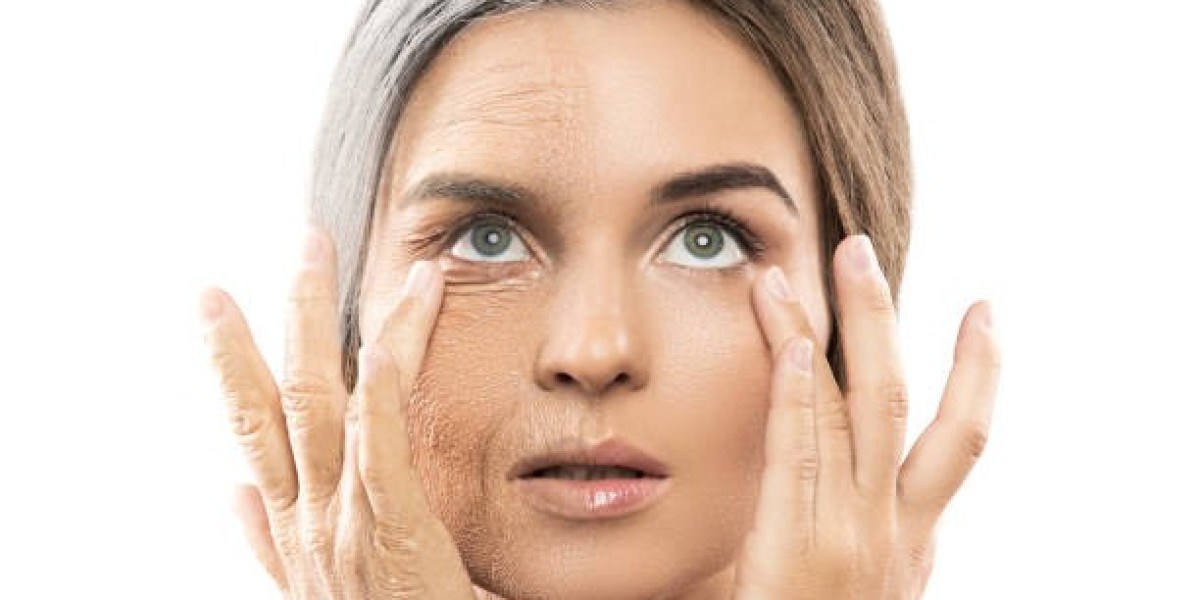

Puffiness and visible bags beneath the eyes can make the face appear tired, even when someone feels well-rested. These changes may develop because of aging, genetics, fluid retention, or shifts in the tissues surrounding the lower eyelids. Modern eye bags options focus on reducing prominent under-eye fullness and creating a smoother transition between the lower eyelids and cheeks. Depending on the individual's anatomy, treatment may involve removing or repositioning excess fat and, in some cases, addressing loose skin. Understanding how the procedure works can help people decide whether it suits their concerns and appearance goals.
What Causes Under-Eye Bags?
Under-eye bags develop for several reasons, and identifying the cause is important when considering treatment. The appearance of puffiness may be temporary or related to structural changes that become more noticeable over time.
Common contributing factors include:
Aging: Skin gradually loses elasticity, while supporting tissues may weaken and allow fat around the eyes to become more prominent.
Genetics: Some people naturally have fuller lower eyelids because of inherited facial characteristics.
Fluid retention: Temporary swelling may occur after salty meals, insufficient sleep, allergies, or certain lifestyle factors.
Skin laxity: Reduced skin firmness can contribute to loose or wrinkled skin beneath the eyes.
Facial anatomy: The natural distribution of fat and the relationship between the lower eyelids and cheeks can influence under-eye contours.
Not every type of under-eye puffiness requires surgery. Temporary swelling may improve with lifestyle adjustments, while persistent fat-related bags may need a professional assessment to determine suitable options.
How Does Eye Bag Removal Improve Facial Appearance?
Eye bag removal focuses on reducing prominent fullness beneath the lower eyelids. Depending on the technique and individual anatomy, a surgeon may remove excess fat or reposition it to create a smoother contour.
Reduces Prominent Under-Eye Puffiness
Excess fat beneath the eyes can create visible bulges that make the lower eyelid area appear swollen. By addressing this fullness, surgery may reduce the prominence of under-eye bags and create a more balanced appearance.
The objective is not to remove all natural fat but to improve the contour while maintaining appropriate volume and support.
Creates a Smoother Lower Eyelid Contour
Prominent under-eye bags can create a noticeable transition between the lower eyelid and upper cheek. Fat repositioning or carefully planned fat removal may help smooth this area.
A more gradual contour can make the under-eye region appear less heavy. The final result depends on the person's facial structure, skin quality, and the surgical approach.
Addresses Loose Under-Eye Skin
Some individuals have excess skin or fine wrinkles in addition to fat-related puffiness. In selected cases, a surgical approach may include removing a carefully measured amount of loose skin.
The technique should preserve natural eyelid support and avoid excessive skin removal, which can lead to complications or an unnatural appearance.
Supports a More Rested Appearance
Prominent under-eye bags can create the impression of tiredness or heaviness. Reducing their appearance may help the face look more rested and refreshed without changing its natural identity.
Eye bag removal does not change a person's energy level or treat medical causes of fatigue. It addresses specific cosmetic concerns around the lower eyelids.
What Techniques Are Used for Eye Bag Removal?
The appropriate technique depends on whether the main concern is excess fat, loose skin, or a combination of both.
Transconjunctival Blepharoplasty
This technique involves making an incision inside the lower eyelid to access and remove or reposition excess fat. Because the incision is placed inside the eyelid, there is generally no visible external skin incision.
It may be suitable for people with prominent under-eye fat who have relatively good skin elasticity and limited excess skin.
Transcutaneous Lower Blepharoplasty
This approach involves an incision just below the lower eyelashes. It allows the surgeon to address excess fat and, when appropriate, remove or tighten loose skin.
It may be considered when under-eye bags occur alongside noticeable skin laxity. Careful planning is essential to preserve eyelid position and function.
Fat Repositioning
Rather than removing all prominent fat, a surgeon may reposition some of it to improve the transition between the lower eyelid and cheek. This approach may be useful for selected patients who have both under-eye fullness and a hollow area beneath the bags.
The best technique depends on individual anatomy rather than a single standard approach.
Who May Be Suitable for Eye Bag Removal?
Eye bag removal may be considered by adults with persistent under-eye fullness caused by prominent fat deposits or age-related changes. Suitable candidates generally have realistic expectations and are in good overall health.
A professional assessment should consider:
The amount and position of under-eye fat.
Skin elasticity and the presence of loose skin.
Lower eyelid position and support.
Existing dry eye symptoms or other eye conditions.
General health, medications, and healing considerations.
Whether puffiness is temporary or caused by another medical concern.
People with allergies, thyroid-related eye changes, or ongoing swelling may need evaluation for the underlying cause before considering cosmetic surgery.
What Happens During Recovery?
Recovery varies depending on the surgical technique and the individual's healing response. Swelling, bruising, tightness, and mild discomfort are common during the early recovery period.
Patients are usually given instructions about keeping the area clean, using prescribed medication or ointments, and avoiding activities that may increase swelling. Cold compresses may be recommended during the initial period if approved by the surgeon.
Strenuous exercise, heavy lifting, and activities that place pressure on the eyes may need to be avoided temporarily. Follow-up appointments allow the surgeon to monitor healing and assess eyelid position.
Most visible bruising and swelling gradually improve over the following weeks, although subtle changes can continue as tissues settle. Final results should not be judged while significant swelling remains.
Are There Any Risks or Side Effects?
Like other surgical procedures, lower eyelid surgery has potential risks. These may include bleeding, infection, scarring, dry eyes, temporary blurred vision, asymmetry, or changes in eyelid position. Less commonly, serious complications affecting vision can occur.
Removing too much fat may create a hollow appearance, while insufficient correction may leave some fullness. Choosing an experienced, appropriately qualified surgeon and discussing individual risks before surgery are important steps.
Anyone experiencing sudden vision changes, severe eye pain, or significant bleeding after surgery should seek urgent medical attention.
Frequently Asked Questions
Does eye bag removal make the face look younger?
It may create a more refreshed appearance by reducing prominent under-eye fullness and improving the lower eyelid contour. However, the overall effect depends on facial anatomy, skin quality, and other age-related changes.
Is eye bag removal suitable for younger adults?
Some younger adults have genetically prominent under-eye fat and may be suitable candidates. Age alone does not determine eligibility; an assessment of anatomy, health, and expectations is more important.
Will eye bag removal eliminate dark circles?
Not necessarily. Dark circles may result from pigmentation, visible blood vessels, thin skin, or shadowing caused by facial structure. Surgery may improve shadows caused by under-eye bags, but it does not directly treat every cause of dark circles.
How long do the results last?
Results can be long-lasting because removed or repositioned fat is not expected to return in the same way. However, natural aging, changes in skin elasticity, and other facial changes continue over time.
Is eye bag removal painful?
The procedure is performed with appropriate anesthesia. Some swelling, tightness, and discomfort may occur during recovery, but the experience varies between individuals. The surgeon can explain suitable pain-management measures.
Explore Your Options for a Refreshed Under-Eye Appearance
The right Eye Bag Removal in Riyadh approach may help reduce persistent puffiness, improve lower eyelid contours, and create a more rested facial appearance. The most suitable option depends on the cause of under-eye bags, skin elasticity, and individual facial anatomy. For professional guidance and an assessment of available options, contact Royal Clinic Saudia to discuss your concerns and treatment goals with a qualified specialist. Learn more about Eye Bag Removal in Riyadh and explore whether this procedure is appropriate for your needs.








