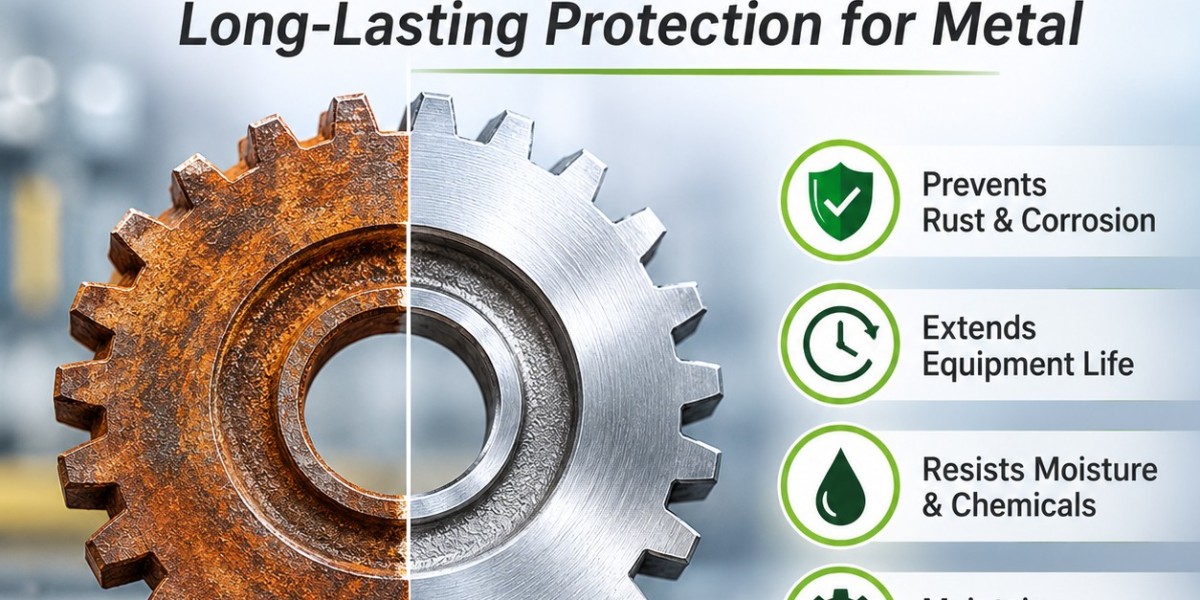

Rust is a common problem affecting metal components, machinery, automotive parts, industrial equipment, and structural materials. When iron or steel comes into contact with moisture and oxygen, oxidation occurs, resulting in rust formation. Over time, corrosion can weaken metal surfaces, reduce product durability, affect equipment performance, and increase maintenance expenses.
Implementing the right anti rust solutions helps industries maintain the quality and longevity of metal products while reducing the risk of corrosion-related damage. From protective coatings to specialized rust preventive oils, several methods can help protect metal surfaces in different working environments.
Understanding the Causes of Rust Formation
Rust develops when iron-containing materials react with oxygen and moisture. Environmental conditions such as humidity, rainwater, salt exposure, chemical contamination, and improper storage can accelerate this process.
Industrial components are particularly vulnerable during manufacturing, transportation, and storage. Even freshly machined metal parts may develop surface corrosion if they are not treated or protected properly. Identifying these risks is the first step toward selecting suitable corrosion protection methods.
Effective Anti-Rust Solutions for Metal Protection
Choosing an appropriate protection method depends on the metal type, operating environment, storage duration, and application requirements. Some commonly used anti-rust solutions include:
1. Rust Preventive Oils
Rust preventive oils create a protective layer over metal surfaces that helps reduce direct contact with moisture and air. They are widely used for protecting machinery components, automotive parts, steel products, and precision-engineered materials.
Depending on the formulation, these oils can provide temporary or longer-term corrosion protection during manufacturing, storage, and transportation.
2. Anti-Corrosion Coatings
Protective coatings act as barriers between metal surfaces and environmental elements. They help minimize exposure to moisture, oxygen, and other corrosive substances. Industries use different coating technologies depending on the required protection level and application conditions.
3. Water-Based Rust Preventives
Water-based rust preventive products offer an alternative for applications where low-solvent or easier-cleaning processes are preferred. They are used in various metalworking operations to provide corrosion protection after cleaning or machining.
Their suitability depends on the material, application process, drying conditions, and required protection period.
4. Proper Cleaning and Surface Preparation
Dirt, metal particles, cutting fluid residues, and other contaminants can affect the performance of corrosion protection products. Cleaning metal surfaces before applying a protective treatment helps improve coverage and application effectiveness.
Using appropriate metal surface cleaners can support better preparation before rust prevention treatments.
5. Controlled Storage and Handling
Proper storage practices play an important role in preventing corrosion. Keeping metal components away from excessive humidity, water exposure, and corrosive contaminants can reduce rust formation. Using suitable packaging and protective materials also helps maintain metal quality during transportation and storage.
Benefits of Using the Right Anti-Rust Solutions
Implementing effective corrosion prevention practices offers several advantages:
Improved Metal Durability: Helps protect metal components from premature corrosion.
Reduced Maintenance: Minimizes the need for frequent cleaning, repair, and replacement.
Better Product Quality: Helps maintain the appearance and surface condition of finished components.
Equipment Protection: Supports the long-term performance of industrial machinery and tools.
Storage Protection: Reduces corrosion risks during handling, warehousing, and transportation.
Operational Efficiency: Helps industries maintain smoother manufacturing and maintenance processes.
Choosing the Right Anti-Rust Solution for Industrial Applications
Selecting a suitable anti-rust product requires understanding the specific requirements of the application. Factors such as metal composition, environmental exposure, storage duration, compatibility with subsequent processes, and cleaning requirements should be considered before making a decision.
Manufacturers should also evaluate product performance under actual operating conditions. Selecting an appropriate corrosion preventive treatment can help improve protection while supporting efficient production processes.
Zavenir Daubert: Supporting Industrial Corrosion Protection
Zavenir Daubert India Private Limited specializes in advanced corrosion protection and metalworking solutions for industrial applications. With a focus on innovation, product quality, and application requirements, the company combines global technologies with local expertise to support manufacturing industries.
Through its commitment to reliable and cost-effective solutions, Zavenir Daubert aims to help businesses address metal protection challenges and improve their industrial processes.
Conclusion
Rust prevention is an important part of maintaining metal quality, equipment reliability, and industrial productivity. Using suitable anti-rust solutions such as rust preventive oils, protective coatings, water-based treatments, and proper storage practices can help reduce corrosion risks. By understanding application requirements and selecting appropriate protection methods, industries can maintain metal components in better condition and support long-term operational efficiency.