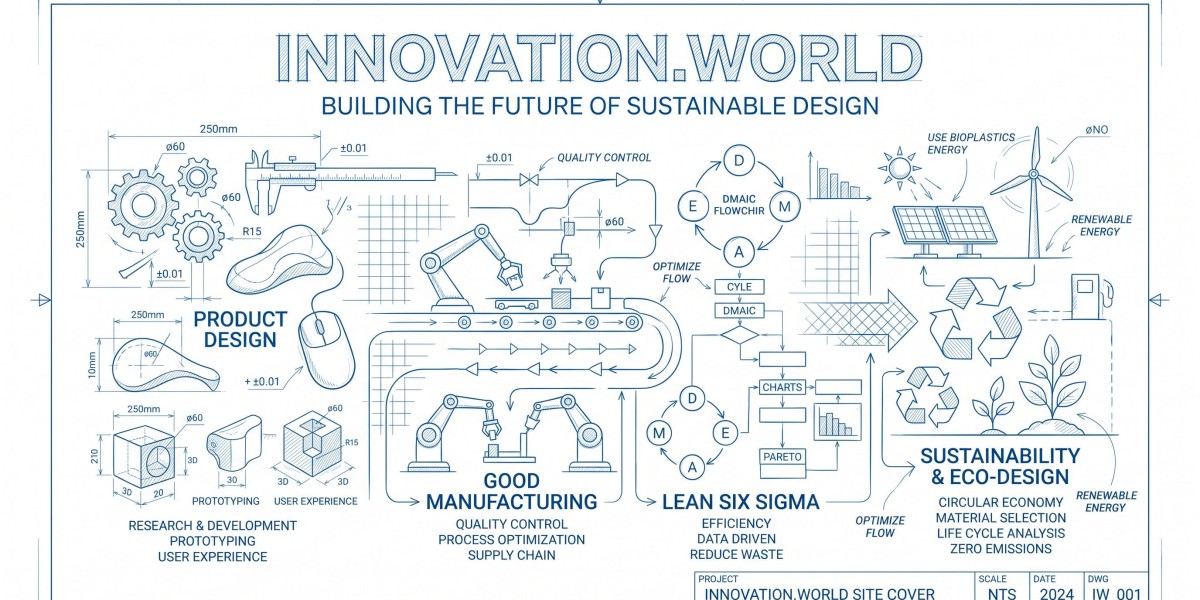

Research and development play an important role in helping businesses, engineers, researchers, and entrepreneurs discover new opportunities and improve existing solutions. However, innovation does not always require expensive equipment, complicated software, or significant financial investment. Many useful resources are available at little or no cost, making it easier for individuals and organizations to explore ideas, solve technical problems, and improve their workflows. R&D Free Utilities can support these activities by providing access to practical tools, technical information, digital resources, and useful applications. By making appropriate use of accessible resources, research teams can improve productivity, explore new concepts, and make progress without placing unnecessary pressure on their budgets.
Understanding R&D Free Utilities
R&D Free Utilities refers to accessible tools, applications, platforms, and resources that support research and development activities without requiring substantial upfront spending. These resources can help users perform calculations, organize information, analyze data, create designs, manage projects, and investigate technical questions.
They are useful across many fields, including engineering, manufacturing, education, software development, science, and product innovation. Students may use free applications to understand technical concepts, while professionals can use online tools to evaluate ideas or complete preliminary research.
The availability of these resources makes experimentation more accessible and encourages people to explore solutions before committing to expensive technologies or commercial services.
Why Free Utilities Matter for Research and Development
Research projects often involve multiple stages, including identifying problems, collecting information, testing assumptions, analyzing results, and documenting findings. Each stage may require different tools and technical capabilities.
Free utilities can help reduce initial costs and allow teams to allocate their budgets toward essential activities such as testing, materials, specialist expertise, and product development.
They are particularly useful for startups, independent researchers, educational institutions, and small businesses that may have limited financial resources. Access to practical tools can help these organizations investigate opportunities and develop early-stage concepts.
However, users should evaluate the reliability, security, functionality, and licensing conditions of each utility before incorporating it into important projects.
Different Types of R&D Free Utilities
Research and development cover a wide range of activities, so available utilities serve different purposes. Understanding these categories helps users select suitable tools for their specific requirements.
Data analysis and calculation tools: These utilities help researchers process information, perform mathematical calculations, organize datasets, and examine results.
Design and productivity applications: Free design software, diagramming platforms, project management tools, and documentation applications support planning, collaboration, and technical development.
Choosing the right combination of resources can make research workflows more organized and manageable.
Using Digital Tools for Better Research
Digital tools have changed how researchers collect, organize, and evaluate information. Online databases, spreadsheets, statistical applications, and collaborative platforms allow teams to manage research activities more efficiently.
For example, spreadsheet applications can help organize experimental observations and compare different results. Data visualization tools can transform complex information into charts and graphs, making patterns easier to understand.
Documentation platforms are also valuable because they allow researchers to record procedures, maintain project notes, and share findings with colleagues. Keeping accurate records improves communication and makes it easier to review previous work.
Supporting Product Design and Technical Development
Product development frequently involves testing ideas, evaluating technical requirements, and refining initial concepts. Free utilities can assist with several early development activities.
Computer-aided design applications may help users create preliminary models, while simulation tools can support the investigation of technical concepts. Measurement calculators and conversion utilities can also help engineers perform routine calculations.
Although free tools may have limitations compared with professional commercial software, they can provide useful starting points for learning, prototyping, and preliminary evaluation.
Researchers should always verify important calculations and test results before using them in safety-critical or commercial applications.
Collaboration and Knowledge Sharing
Research projects often require contributions from people with different technical backgrounds. Collaboration platforms can help teams exchange information, assign responsibilities, and monitor project progress.
Shared documents and online workspaces make it easier for researchers to review information and provide feedback. Version control applications can also help software development teams manage changes and maintain organized project records.
Knowledge sharing is equally important. Open educational resources, technical publications, research communities, and public documentation can help users understand unfamiliar subjects and discover alternative approaches.
Challenges When Using Free Research Utilities
Free resources offer many advantages, but they are not always suitable for every project. Some applications have restricted features, limited storage, usage restrictions, or fewer technical support options.
Data privacy is another important consideration. Research teams should understand how applications handle uploaded information and avoid placing confidential or sensitive project data into unverified platforms.
Compatibility can also become an issue when different team members use different applications. Establishing common file formats and documentation standards can help prevent unnecessary technical difficulties.
A practical approach is to test tools on small tasks before making them part of an established research workflow.
The Future of Accessible R&D Resources
The growth of cloud computing, artificial intelligence, open-source software, and online collaboration is expanding access to research and development resources. These technologies allow individuals and organizations to explore technical possibilities without always needing extensive infrastructure.
As more digital utilities become available, researchers will have additional opportunities to experiment, learn, and collaborate across different disciplines. Responsible selection and effective use of these resources will remain essential for achieving reliable results.
Conclusion
R&D Free Utilities help make research, experimentation, and technical development more accessible to individuals and organizations with different budgets and experience levels. From data analysis and calculations to design applications and collaboration platforms, these resources can support important activities throughout the innovation process. Selecting reliable tools, understanding their limitations, and maintaining appropriate data practices can help users achieve better results. Exploring R&D Free Utilities can provide further opportunities to discover useful resources, technical ideas, and developments that support research and innovation.