
A clearly defined jawline is influenced by several factors, including facial bone structure, fat distribution, skin quality and the support of underlying tissues. As these structures change over time, the lower face may begin to look softer. Some people notice early jowls, while others see less definition between the chin, jaw and neck.
These changes are common and can develop gradually. For individuals in Singapore who want to understand non-surgical options, learning about lower face skin tightening is a practical starting point. A suitable sagging skin treatment may help selected individuals improve the appearance of firmness, although the outcome depends on the degree and cause of skin laxity.
Why the Lower Face Changes Over Time
The lower face is affected by more than the skin alone. Ageing can involve changes in collagen, elastin, facial fat compartments, ligaments and bone structure. These changes may influence how the cheeks and jawline appear.
As skin firmness decreases, the lower cheeks may look less supported. Fat distribution and volume changes can also contribute to the appearance of jowls. In some individuals, weight fluctuations make the jawline look different from one period to another.
Genetics and facial anatomy are important too. Some people naturally have a softer jawline, while others notice changes earlier due to their individual skin characteristics. Therefore, not every less-defined jawline is caused by sagging skin.
Is a Less Defined Jawline Always a Skin Problem?
Not necessarily. A fuller lower face may be related to fat beneath the chin, natural facial structure, fluid retention or changes in weight. Loose skin is only one possible factor.
This distinction matters because a treatment intended to improve skin firmness may not address excess fat or structural concerns. If the main issue is volume or anatomy, a different assessment may be needed.
A consultation should identify the main contributing factors before recommending a procedure. This helps avoid unrealistic expectations and unnecessary treatments.
Non-Surgical Options for Lower Face Firmness
People with mild to moderate skin laxity may be suitable for selected non-surgical procedures. These treatments use different technologies and are not interchangeable.
HIFU Treatment for the Jawline
HIFU uses focused ultrasound energy to target selected tissue depths. Depending on the device and treatment plan, it may be considered for individuals who want to address early skin laxity around the lower face.
A HIFU treatment for sagging skin may support collagen remodelling in targeted areas. However, it does not guarantee a sharply defined jawline, nor is it designed to remove substantial excess skin. Suitability depends on facial anatomy and the practitioner's assessment.
Thermage for Skin Firmness
Thermage uses radiofrequency energy to heat targeted tissue. It may be considered for people concerned about reduced skin firmness in selected facial areas.
The treatment approach, expected response and possible side effects should be discussed before proceeding. A practitioner should explain whether radiofrequency-based treatment is appropriate for the specific concern.
Ultherapy Prime for Selected Lifting Concerns
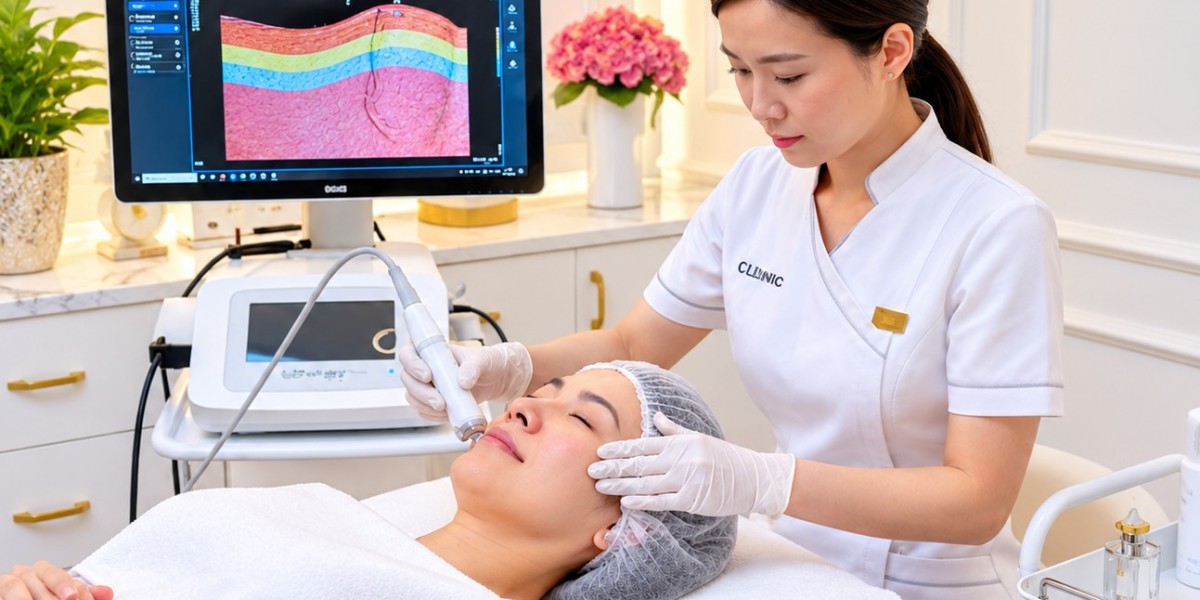
Ultherapy Prime uses micro-focused ultrasound with real-time visualisation. It may be considered for selected individuals with concerns involving skin laxity around the lower face and neck.
Its suitability depends on the treatment area, tissue characteristics and individual expectations. It should not be described as a guaranteed substitute for a surgical facelift.
Why Treatment Planning Should Include the Neck
The jawline does not exist in isolation. The appearance of the lower face is closely connected to the chin and neck. If the neck has noticeable laxity, focusing only on the jawline may not create the overall appearance a person expects.
A practitioner may therefore assess the lower face and neck together. This does not mean every area should automatically be treated. Instead, the assessment helps determine which areas are relevant and whether treatment is likely to provide a meaningful benefit.
People concerned about loose skin beneath the chin should also understand whether the issue involves skin, fat or both. Different causes may require different approaches.
What Results Should You Expect?
Non-surgical skin-tightening procedures generally aim for gradual improvement rather than an immediate dramatic change. The timeline varies according to the technology, treatment settings and the individual's response.
Some people may notice changes over time, while others may experience limited improvement. The final result can also be influenced by the degree of laxity and the natural structure of the face.
If the skin is significantly loose, non-surgical procedures may not deliver the level of correction that surgery can provide. A responsible consultation should explain this distinction clearly.
How to Prepare for a Consultation
A useful consultation should be specific to your concerns. Instead of asking only which treatment is the most popular, explain what you have noticed and what you would like to improve.
Consider asking:
Is the jawline concern mainly caused by skin laxity, fat or facial structure?
Would treatment of the neck also need to be considered?
Which technology is appropriate for my skin and anatomy?
What is a realistic outcome?
What are the potential side effects?
How long should I allow for recovery or temporary reactions?
What alternatives should I consider?
Share your medical history, medication use and previous aesthetic procedures. These details may affect treatment suitability.
Supporting a Firmer-Looking Jawline Over Time
Daily skincare cannot replace an aesthetic procedure, but it remains important for general skin health. Apply broad-spectrum sunscreen consistently, especially in Singapore's sunny conditions. Avoid smoking and follow a balanced lifestyle that supports overall wellbeing.
Try to maintain a stable weight where possible, as repeated weight changes may affect facial contours. Follow any post-treatment instructions provided by the clinic and seek advice if you experience unusual or persistent reactions.
Choose a Treatment Based on the Cause, Not the Trend
A softer jawline can result from several changes, and not all of them can be addressed with the same procedure. Understanding the cause is essential when considering skin tightening treatment.
If you are exploring options for sagging skin treatment in Singapore, Astique Clinic can be a starting point for learning more about available approaches. Visit https://astiqueclinic.com.sg/sagging-skin/ to explore the treatment information and discuss your concerns through an individual consultation.