
Mill-Turn CNC Machine selection begins with a detailed review of the components you intend to produce and the operations required to complete them. For manufacturers handling parts that need turning, drilling, milling, or other cutting processes, combining functions in one setup may reduce repeated handling and simplify workflow planning. However, the benefits depend on whether the configuration matches the actual production requirements. Buyers should therefore evaluate technical specifications alongside workpiece details, operator needs, and future production plans.
Identify the Parts and Operations You Need
Start by collecting drawings of representative components. Include material grades, outside diameters, overall lengths, hole positions, thread specifications, and dimensional tolerances. These details help a manufacturer understand the work involved instead of making recommendations based on a general product description.
Next, create a list of required operations. A shaft component may need turning, grooving, and drilling, while a fitting could require cross-hole milling, threading, and facing. Identify which operations are currently performed in separate stages and whether they could be coordinated within one setup.
Production volume should also be considered. A workshop making frequent repeat orders may prioritize stable setup procedures, while a business handling varied custom parts may need greater flexibility in tooling and programming.
Compare Spindle Capacity with Workpiece Dimensions
Spindle specifications should correspond to the size and material of the parts being processed. Review the spindle bore, maximum bar diameter, rotational speed, motor power, and compatible clamping arrangements.
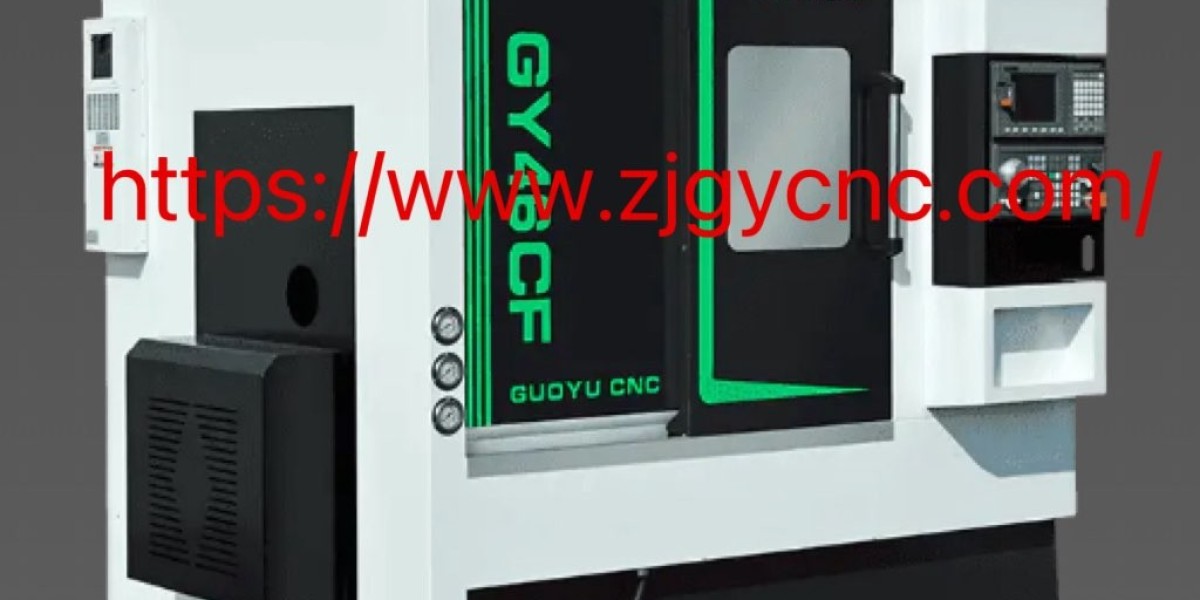
For example, the GY-46CF 4+4 model listed by zjgycnc specifies a spindle bore of 66 mm and a maximum bar-passing diameter of 52 mm. Its listed maximum spindle speed is 4,000 rpm. Buyers should compare these figures with their own material dimensions and cutting requirements before deciding whether the configuration is suitable.
The clamping method also deserves attention. Hydraulic collets, chucks, and other workholding options have different application considerations. Discuss loading procedures, gripping requirements, and access for cutting tools with the manufacturer.
Examine the Bed Structure and Motion Components
Structural design affects how the equipment responds to cutting forces and repeated movement. Buyers should ask about the bed layout, material treatment, guideway arrangement, ball screw specifications, and assembly inspection procedures.
The GY-46CF product information describes a 45-degree slant-bed structure with roller linear guideways and precision ball screws. The inclined layout is designed to provide a practical working arrangement and support chip removal during processing.
It is also useful to understand how alignment and movement accuracy are checked during assembly. Rather than relying on a single specification, ask the supplier how structural components and motion systems are inspected before delivery.
Review Tool Positions and Powered Cutting Options
Tooling flexibility determines how different operations can be arranged. Confirm the number of tool positions, supported tool dimensions, turret type, and availability of powered tooling.
The GY-46CF 4+4 configuration includes an arrangement designed to accommodate gang tooling, a horizontal turret, and powered tool units. Its widened T-shaped middle slide provides space for different tooling layouts.
Buyers should prepare a list of the tools needed for their regular components. This makes it easier to discuss whether the proposed arrangement can support drilling, milling, threading, and turning without adding functions that are not required for the intended work.
Check Control Functions and Programming Requirements
The control system affects setup, programming, operation, and production adjustments. Before ordering, confirm the control model, supported cycles, programming interface, and compatibility with the operators' existing experience.
If the workshop produces several part designs, ask how programs are stored, adjusted, and transferred between jobs. It is also helpful to discuss whether training or programming guidance is available.
A practical demonstration can clarify how operators coordinate different cutting stages. Buyers may request a sample process based on a representative drawing to evaluate the programming workflow before finalizing the purchase.
Consider Chip Removal, Lubrication, and Maintenance
Daily operating conditions can influence maintenance planning. Ask how chips are discharged, where lubrication points are located, and which components require regular inspection.
Chip accumulation around the working area may interrupt operations or make cleaning more difficult. The bed layout and chip discharge arrangement should therefore be considered in relation to the materials and cutting methods used in the workshop.
Buyers should also request maintenance documentation, recommended inspection intervals, spare parts information, and guidance on routine servicing. These details help operators prepare a maintenance schedule before installation.
Arrange Sample Testing Before Delivery
A sample test provides an opportunity to evaluate the proposed configuration against actual production requirements. Send the manufacturer a component drawing, material specification, and required tolerances. Agree on the inspection method and acceptance criteria before testing begins.
During the demonstration, review dimensional results, surface condition, tool access, workpiece clamping, and the sequence of operations. If the component requires several cutting stages, observe how the process is coordinated and whether additional manual handling is necessary.
Delivery arrangements and after-sales support should also be confirmed. Discuss installation guidance, warranty conditions, technical assistance, documentation, and the availability of replacement components.
Discuss Your Production Requirements with a Manufacturer
Selecting integrated turning and milling equipment is a process of matching technical capabilities with real workshop demands. Clear drawings, material information, tooling lists, and testing requirements help buyers communicate their expectations and evaluate proposed configurations more effectively. Rather than focusing on individual specifications alone, consider how the complete setup will fit into daily production.As a manufacturer of metalworking equipment, zjgycnc offers different configurations for turning and milling applications. Buyers can share their component drawings and discuss spindle capacity, tooling arrangements, and production requirements with the technical team before requesting a quotation. For product information and further inquiries, visit https://www.zjgycnc.com/