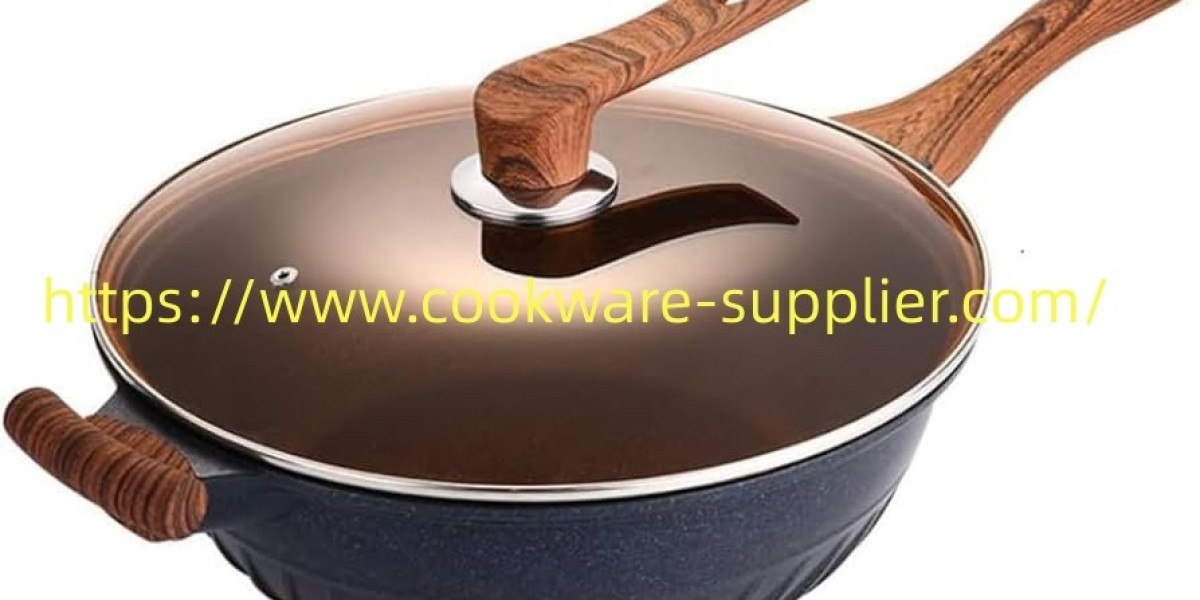

Maifan Stone Wok is a modern cookware category that attracts attention through its distinctive appearance and practical kitchen positioning. Compared with traditional cooking vessels, this product may feature different material combinations, surface treatments, and styling choices. For kitchenware distributors, importers, and retailers, understanding these differences helps identify suitable products for different customer groups. A closer look at construction, cooking habits, and purchasing requirements can also help buyers communicate more clearly with manufacturers.
Product Appearance and Market Positioning
Traditional cookware is available in many familiar designs. Cast iron, carbon steel, stainless steel, and aluminum models each have recognizable finishes and construction styles. Some customers prefer simple metal surfaces, while others look for cookware with a more contemporary appearance.
Modern patterned products introduce another visual option for kitchenware collections. Their decorative surfaces can complement different kitchen styles and provide retailers with additional choices for product displays.
For manufacturers, appearance is only one part of product development. Buyers should also examine the actual surface structure, available colors, and consistency between samples and mass production. Accurate photographs and detailed specifications help customers understand the product before purchasing.
How Material Selection Influences Construction
The body material affects product weight, heating response, maintenance, and manufacturing requirements. Traditional cast iron cookware is generally associated with a substantial body and heat retention. Carbon steel models have different heating characteristics, while stainless steel products offer another set of material properties.
Aluminum is commonly used in contemporary cookware production because it allows manufacturers to develop relatively lightweight designs with efficient heat transfer. Some modern models combine an aluminum body with a specially treated cooking surface.
Importers should ask manufacturers for the exact material composition rather than relying only on commercial product names. Body thickness, surface treatment, coating specifications, and applicable testing documents are useful details to review before placing an order.
Cooking Performance and Household Requirements
Different cooking routines create different product expectations. Some households prepare meals frequently and pay attention to heating response, weight, and cleaning requirements. Others may focus on cookware dimensions, storage convenience, and compatibility with their existing kitchen appliances.
Traditional designs may require particular preparation or maintenance practices, depending on the material. Contemporary coated products can have different care instructions, so users should follow the guidance supplied by the manufacturer.
Buyers can arrange sample testing to evaluate how a product performs under ordinary cooking conditions. They may check heating behavior, food release, handling comfort, and cleaning procedures. Practical evaluation helps distributors select models that correspond with customer expectations in their sales regions.
Structure, Shape, and Handle Design
A cooking vessel should be assessed as a complete product rather than by its surface alone. Body depth, diameter, rim shape, and base construction all influence its intended use.
Handle design is equally important. Buyers should inspect the grip shape, material, length, attachment method, and overall balance. Secure connections and comfortable handling contribute to everyday usability.
Lids can also affect product selection. Their dimensions, material, fit, and handle design should match the body specifications. Manufacturers may offer several configurations to serve different market requirements, so buyers should confirm available options before finalizing an order.
Maintenance and Customer Instructions
Care requirements vary according to material and surface construction. Some traditional metal products may require seasoning or careful drying, while coated cookware generally needs suitable cleaning tools and utensils to protect its finish.
Manufacturers should provide practical instructions covering cleaning methods, detergent selection, storage, preheating, and recommended utensils. Buyers can request these details before production so that user manuals and packaging information can be prepared accurately.
For retailers, clear care guidance can improve the customer experience after purchase. It also helps reduce misunderstandings caused by using unsuitable cleaning materials or cooking tools.
What Importers Should Review Before Ordering
A structured purchasing checklist can help buyers compare products and communicate their requirements. Important points include:
Main body material and thickness
Surface treatment and coating specifications
Available sizes and product capacities
Handle material and connection structure
Base design and compatible heat sources
Product weight and packaging dimensions
Sample inspection and quality procedures
Custom labeling and carton requirements
Minimum order quantity and production schedule
Sample approval should take place before bulk production. Buyers can compare the approved sample with the final product specifications to check dimensions, appearance, component assembly, and packaging details.
Manufacturer Communication and Product Development
A manufacturing partnership involves more than selecting an item from a catalog. Buyers should explain their target market, expected sales volume, packaging preferences, and product requirements. This information allows manufacturers to recommend suitable configurations and clarify production arrangements.At cookware-supplier, overseas buyers can discuss product specifications, manufacturing details, and customization requirements for their kitchenware collections. Clear communication about materials, construction, and inspection standards can make sourcing decisions more organized. Buyers interested in reviewing additional models or preparing a wholesale inquiry can visit https://www.cookware-supplier.com/product/ to view the company product range.