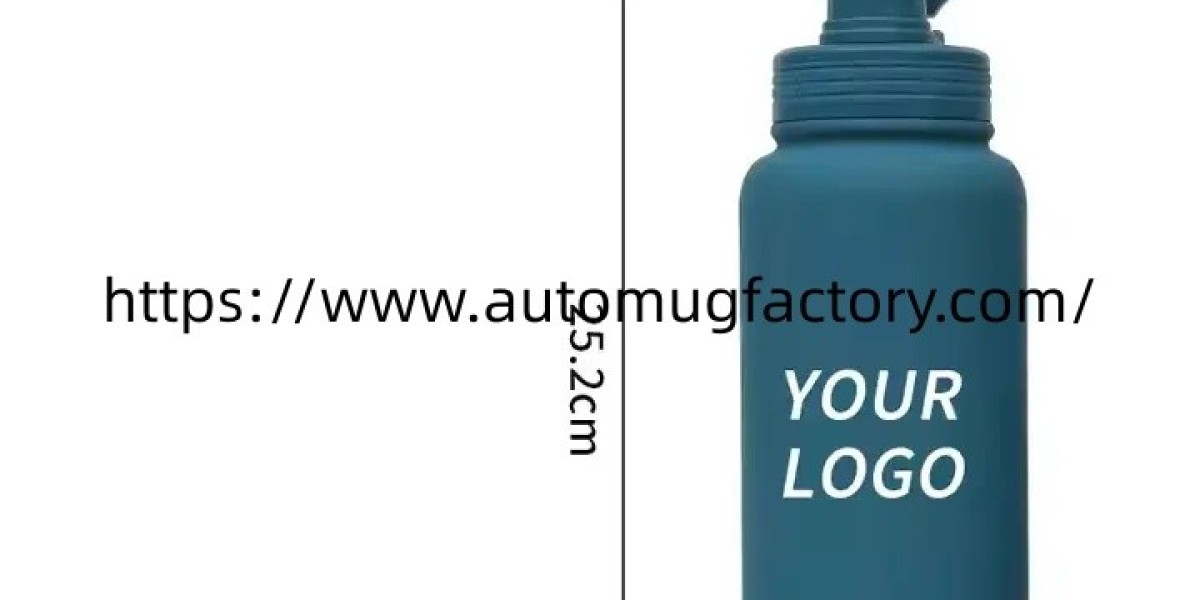

Reusable drinkware has become part of how people organize their daily routines, from carrying water during a commute to keeping a favorite beverage nearby at work or outdoors. Larger tumblers offer a practical way to reduce frequent refilling, but their usefulness depends on more than their capacity. When evaluating a 40oz Stainless Steel Tumbler, buyers should consider material quality, insulation construction, lid design, portability, and cleaning convenience together. These details determine whether a product is genuinely comfortable for everyday use or simply attractive in a product catalogue.
Stainless steel is a popular material for reusable tumblers because it combines structural strength with resistance to corrosion and everyday wear. Its surface is suitable for different finishing processes, allowing manufacturers to create polished, brushed, matte, or coated appearances. For drinkware, the quality and suitability of the material in contact with beverages are particularly important. Buyers should ask manufacturers about material grades, food-contact suitability, and the inspection procedures used to verify incoming materials. These considerations help establish confidence in the finished product.
A tumbler is rarely made from a single material. Its body may be stainless steel, while the lid, handle, straw, and sealing components use different materials according to their functions. Plastic lids can provide convenient opening mechanisms and allow manufacturers to develop different drinking arrangements. Silicone sealing elements can help create a secure connection between the lid and body. The compatibility of these components matters because a well-made metal body cannot compensate for a poorly fitted lid or an unreliable seal. Buyers should therefore assess the complete construction rather than focusing exclusively on the exterior.
Choosing a suitable tumbler begins with understanding how it will be used. Someone carrying drinks during a daily commute may prioritize a secure lid and a shape that fits conveniently into a vehicle's cup holder. Office users may prefer a comfortable handle and an appearance that complements their workspace. Outdoor users may place greater importance on grip, durability, and ease of carrying. Before purchasing, buyers should examine the overall shape, base stability, handle position, lid mechanism, and cleaning requirements. Product samples can help reveal practical differences that are difficult to judge from photographs alone.
Insulation technology is another major factor in product selection. Many stainless steel tumblers use double-wall vacuum construction, in which an enclosed space between the inner and outer walls reduces heat transfer. This helps cold beverages remain chilled and hot drinks retain warmth for longer. However, insulation performance depends on the complete structure, including the body construction, lid, sealing components, and manufacturing quality. Buyers should consider how the tumbler will be used rather than relying on broad descriptions of temperature retention. A design intended mainly for cold drinks may have different lid and drinking features from one developed for hot beverages.
The lid deserves particular attention because it influences both convenience and spill management. Some designs use sliding openings, while others feature flip-top mechanisms or removable covers. A straw can make drinking convenient without repeatedly tilting a large tumbler, especially when users are working or traveling. However, additional components should remain easy to disassemble and clean. A complicated closure may create inconvenience if beverage residue collects around small openings or moving parts. For products intended for frequent use, straightforward maintenance is an important part of functional design.
Comfort also depends on the relationship between the tumbler's shape and the user's hands. A large body can be easier to handle when paired with a well-positioned handle or a thoughtfully shaped grip area. The base should provide stability on desks and other everyday surfaces, while the rim should offer a comfortable drinking experience. Weight distribution is worth considering as well, particularly when the tumbler is filled and carried for extended periods. These seemingly small design decisions influence whether users naturally incorporate the product into their routines.
Cleaning and maintenance affect the long-term experience. A wide opening can make it easier to reach the interior, while removable lids and straws allow users to clean individual components more thoroughly. Materials should be compatible with the recommended cleaning method, and product instructions should clearly explain how to care for different parts. Buyers sourcing tumblers for retail or promotional programs should consider whether replacement lids, straws, and seals are available. Practical after-sales support can improve the experience beyond the initial purchase.
Visual design gives manufacturers another way to distinguish their drinkware. Matte coatings, metallic finishes, textured surfaces, and coordinated colors can create different product identities. A minimalist appearance may suit professional environments, while brighter finishes and distinctive patterns can appeal to lifestyle and outdoor markets. Customization can extend to logo placement, surface treatment, handle style, lid color, and packaging. These elements should work together rather than compete for attention. A successful design connects brand identity with comfortable handling and practical daily use.
For businesses sourcing customized drinkware, manufacturing consistency is just as important as product appearance. Buyers should review the factory's material inspection, forming, assembly, finishing, and final quality-control procedures. They can also discuss sample development, artwork preparation, packaging, and customization feasibility before confirming an order. Yongkang Xiaoyu Industry & Trade Co., Ltd. specializes in travel mugs, stainless steel tumblers, and insulated drinkware. Its OEM and ODM services support different product structures, colors, surface treatments, logo applications, and accessory choices. The company also describes its quality management procedures and material inspection practices. Buyers interested in developing customized tumbler products can explore its range at https://www.automugfactory.com