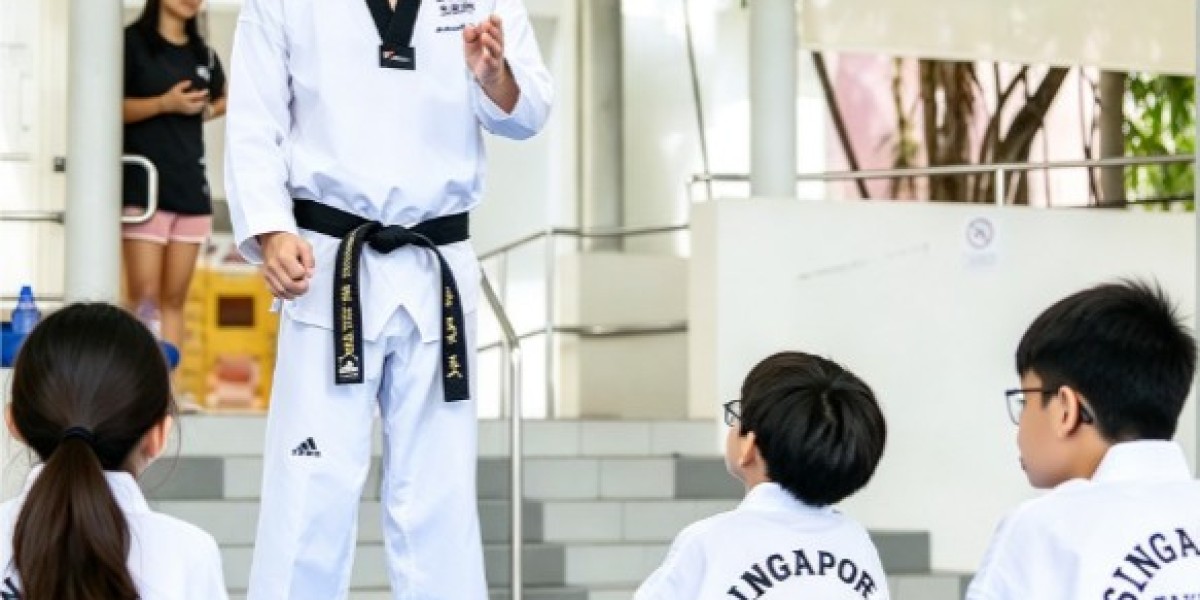

A child's day does not end when the school bell rings. After lessons, many children still have homework, enrichment classes and family responsibilities. Parents often need to find a balance between giving their children enough time to rest and providing opportunities to explore interests outside school.
The right after-school activity can make this time more meaningful. It should offer an enjoyable experience without placing unnecessary pressure on a child's schedule. For families interested in physical activities that also introduce useful life skills, taekwondo classes for kids may be worth exploring.
Taekwondo combines movement, technique and structured instruction. Children learn basic martial arts skills while practising listening, coordination, patience and respect. With an appropriate schedule and supportive teaching, it can become one part of a balanced after-school routine.
Why After-School Activities Matter
After-school activities give children opportunities to discover interests beyond their regular academic subjects. They may explore music, art, sports, technology or martial arts. Each activity offers a different way to learn and interact with the world.
These experiences can also help children understand what they enjoy. Some may prefer creative activities, while others feel motivated by physical challenges and measurable progress. Parents do not need to enrol their children in every available programme. The priority is choosing activities that match their interests and family circumstances.
A good after-school routine should include time for homework, meals, rest and family interaction. Activities should complement these responsibilities rather than take over the child's entire day.
Why Taekwondo Can Be a Suitable Option
Taekwondo offers a structured form of physical activity with clear learning objectives. Children are introduced to basic stances, controlled movements, kicks and footwork. Lessons may also include stretching, coordination exercises and practice sequences.
For children who enjoy learning through movement, this combination can be engaging. Each class provides an opportunity to revisit familiar techniques while developing new skills.
The structure also helps children understand how a lesson is organised. They may begin with a warm-up, move into technique practice and finish with a review or other guided activity. Familiar routines can make beginners feel more comfortable as they become accustomed to the class.
However, the suitability of any programme depends on the child's age, physical readiness, interests and the quality of instruction. Parents should look for a class that introduces skills progressively and provides appropriate supervision.
Supporting a Healthy Balance Between Study and Activity
Academic responsibilities are important, but children also need time to move and enjoy activities that are not based on schoolwork. A balanced routine gives them opportunities to develop different abilities.
Taekwondo can provide a scheduled period for physical movement after a day that may involve sitting for lessons or completing assignments. It offers a change of environment and encourages children to focus on a practical task.
Parents should still pay attention to timing. A class scheduled too late in the evening may interfere with meals, homework or bedtime. A suitable programme should fit comfortably into the family's routine.
It may help to review the weekly schedule together. Children can understand when they have training, when homework should be completed and when they have free time. This encourages realistic planning without making every part of the day feel overly controlled.
Practising Focus Outside the Classroom
During Taekwondo lessons, children are expected to listen to instructions and observe demonstrations. They may need to remember the order of movements and adjust their technique based on feedback.
These tasks encourage active attention. A student who is practising a combination must understand the sequence rather than simply move without thinking. This can help children become more aware of the connection between listening, understanding and action.
Parents should not expect martial arts participation to automatically improve school grades or solve learning difficulties. Academic performance depends on many factors, including teaching, study habits, sleep and individual needs.
Nevertheless, activities that involve following instructions and practising concentration can provide useful experiences. Children may gradually become more familiar with paying attention to a task from beginning to end.
Learning to Respect Time and Commitments
Regular extracurricular activities introduce children to basic commitments. They need to arrive at the scheduled time, prepare their belongings and follow the class routine.
Younger children may require help from parents, but they can gradually take responsibility for simple tasks. For example, they may learn to pack their training uniform or remember to bring a water bottle.
These habits can support independence. Children begin to understand that preparation makes participation easier and that other people are also depending on them to follow shared schedules.
Punctuality and preparation should be taught positively. Parents can explain why these habits matter rather than relying only on repeated reminders or criticism.
Building Social Confidence Through Group Learning
An after-school class can also create opportunities for children to meet peers outside their usual school environment. Taekwondo students may come from different schools, neighbourhoods and backgrounds.
During lessons, they learn to share space, wait for their turns and respect the instructor's directions. They may also observe how other students practise and respond to feedback.
For children who are shy, group participation can take time. A welcoming instructor should avoid forcing a child into uncomfortable situations and instead provide opportunities to become involved gradually.
Social confidence develops through repeated positive experiences. Parents can support this by showing interest in their child's interactions without expecting them to become outgoing immediately.
Avoiding an Overloaded Weekly Schedule
One common concern for families in Singapore is managing multiple commitments. Children may have school, tuition, enrichment programmes and family activities throughout the week. Adding another class without reviewing the overall schedule can create unnecessary pressure.
Before enrolling, consider how much time the activity requires, including travel and preparation. Think about whether the child will still have enough time for homework, meals, sleep and unstructured play.
It is also useful to ask the child how they feel about the proposed activity. A programme is more likely to remain enjoyable when the child has a genuine interest in participating.
If the schedule becomes too demanding, parents can review the number of activities or adjust the routine. Children's wellbeing should remain more important than collecting certificates or attending as many programmes as possible.
Choosing a Training Environment With Care
The learning environment can influence a child's experience. Parents should look for instructors who communicate clearly, understand how to teach young students and maintain appropriate class supervision.
Ask how beginners are grouped, how techniques are introduced and how the academy handles safety. It is reasonable to enquire about class size, equipment requirements and the expected progression for new students.
If possible, observe a session or speak with the academy before making a decision. Notice whether the atmosphere is respectful and whether students appear engaged in the lesson.
A good programme should encourage improvement without using excessive pressure. Children need clear guidance, realistic expectations and opportunities to learn at a suitable pace.
Making the Most of Your Child's After-School Routine
The best after-school routine is not necessarily the busiest one. It is a routine that gives children room to learn, move, rest and enjoy their interests. Taekwondo can be a meaningful option for children who are curious about martial arts and benefit from structured physical activities.
For parents searching for taekwondo classes for kids in Singapore, OP Academy provides an opportunity to explore a children's Taekwondo programme. Reviewing the class structure, teaching approach and schedule can help families decide whether it is suitable.
Visit https://opacademy.net/taekwondo-classes-for-children-singapore/ to learn more about the programme and consider whether Taekwondo could be a valuable addition to your child's after-school activities.