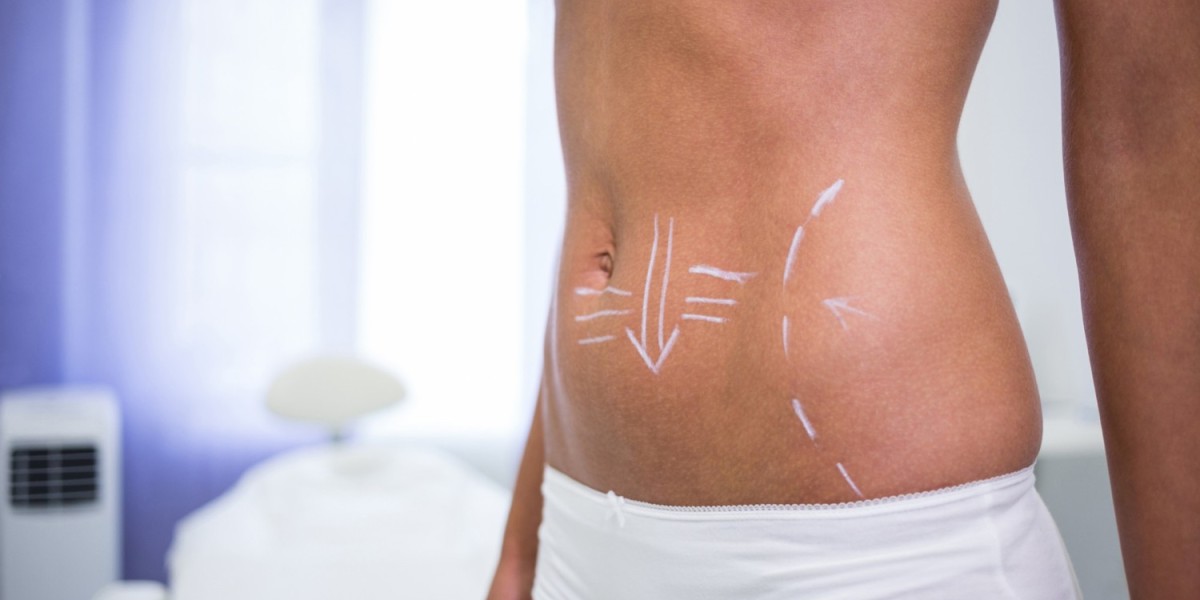

Liposuction is a popular body contouring procedure for individuals who want to improve their body shape by removing stubborn fat deposits that do not respond easily to diet and exercise. While the procedure can help create a more defined silhouette, the final appearance depends on several factors beyond the amount of fat removed. One of the most important considerations is skin elasticity.
Skin elasticity refers to the skin's natural ability to stretch and return to its original position. It plays a significant role in determining how smoothly the skin adapts to the body's new contours after fat removal. Patients with good skin elasticity may experience a firmer and more refined appearance, while those with reduced elasticity may have loose or uneven-looking skin after treatment.
When considering Liposuction dubai, understanding the relationship between skin quality and body contouring can help patients develop realistic expectations and make informed decisions. At Cornerstone Clinic, an individual assessment of fat distribution, skin condition and body proportions can help determine whether liposuction is an appropriate option.
Understanding Skin Elasticity and Its Role in Body Contouring
Skin elasticity is influenced by collagen and elastin, two structural proteins that help maintain the skin's strength, flexibility and firmness. Collagen provides support, while elastin allows the skin to stretch and return towards its previous shape.
When fat is removed through liposuction, the skin needs to adapt to the reduced volume underneath it. If the skin has sufficient elasticity, it may gradually contract around the newly shaped area. This can contribute to smoother contours and a more natural-looking result.
However, skin that has lost some of its elasticity may not contract as effectively. In these circumstances, removing fat alone may not produce the tight appearance a patient expects.
This is why skin quality is an important part of pre-treatment planning. A successful body contouring approach considers both the amount of fat present and the ability of the overlying skin to adjust after treatment.
How Does Skin Elasticity Influence Liposuction Results?
The relationship between skin elasticity and liposuction outcomes is particularly important because the procedure addresses underlying fat rather than directly removing excess skin.
1. Skin Retraction After Fat Removal
Skin retraction is the process through which the skin gradually adjusts to the body's new shape following fat removal. Good elasticity generally supports better natural contraction.
For example, someone with localised fat around the abdomen and relatively firm skin may achieve a more defined waistline after liposuction. The skin can adapt more effectively to the reduction in underlying volume.
On the other hand, a patient with significant skin laxity may notice that the skin remains loose even after the fat has been removed. The amount of improvement depends on individual skin characteristics, the treatment area and the extent of fat reduction.
2. Smoothness of the Treated Area
Skin elasticity can also influence how even the treated area appears. When the skin contracts appropriately, it may follow the newly shaped underlying contours more smoothly.
If elasticity is reduced, the skin may not settle evenly over the treated area. This can affect the overall appearance of the abdomen, thighs, arms or flanks.
A detailed assessment helps determine whether liposuction alone is likely to provide the desired contour or whether another body contouring approach should be considered.
3. Definition of Natural Body Contours
The purpose of liposuction is not simply to reduce measurements. It is also to improve the relationship between different areas of the body.
For instance, removing excess fat from the waist may create a more noticeable transition between the abdomen and hips. However, the visibility of this definition can depend on how well the skin adapts to the new shape.
Good elasticity can support a more refined appearance, while loose skin may make the final contours appear less defined.
What Factors Can Reduce Skin Elasticity?
Skin elasticity changes naturally over time, but several factors can influence how well the skin responds to changes in body volume.
Age and Natural Skin Changes
As people age, collagen and elastin production gradually decline. The skin may become thinner and less capable of returning to its previous position after stretching.
This does not mean that older patients cannot benefit from liposuction. Rather, their skin quality needs to be assessed carefully before treatment.
Previous Weight Changes
Significant weight fluctuations can stretch the skin, particularly around the abdomen, thighs and upper arms. When a person loses a substantial amount of weight, the skin may not always shrink completely to match the reduced body volume.
Patients with a history of major weight loss may therefore have different body contouring needs compared with individuals who have maintained a relatively stable weight.
Pregnancy
Pregnancy can stretch the abdominal skin as the body accommodates a growing baby. After childbirth, some women experience a gradual return of skin firmness, while others continue to have loose abdominal skin.
If excess fat is also present, liposuction may help address certain areas. However, when loose skin or separated abdominal muscles are significant concerns, a tummy tuck may be more suitable than liposuction alone.
Genetics and Skin Characteristics
Genetics influence skin thickness, collagen structure and natural elasticity. Two people of similar ages and body weights may have noticeably different skin responses following fat removal.
This is one reason treatment plans should be personalised rather than based only on age, weight or measurements.
Lifestyle and Sun Exposure
Long-term sun exposure, smoking and certain lifestyle factors can contribute to changes in skin quality. Maintaining a balanced diet, avoiding smoking and protecting the skin from excessive sun exposure can support general skin health.
However, these measures cannot completely reverse established skin laxity.
Which Body Areas Are Most Affected by Skin Elasticity?
Skin elasticity can influence results in almost every liposuction treatment area, but its importance may vary depending on the body's natural structure and the amount of fat being removed.
Abdomen
The abdomen is one of the most common areas treated with liposuction. Patients with localised abdominal fat and relatively firm skin may achieve a flatter and more defined midsection.
However, loose skin following pregnancy or significant weight loss may remain after fat removal. In such cases, an assessment can help determine whether liposuction or a surgical skin-removal procedure is more appropriate.
Arms
The upper arms can develop stubborn fat deposits, but skin quality is particularly important in this area. If the skin has good elasticity, it may adapt to the reduced volume following treatment.
Patients with considerable upper-arm skin laxity may require a different approach because liposuction does not remove hanging skin.
Thighs
Fat deposits around the inner and outer thighs can affect the overall shape of the legs. Skin elasticity helps determine how smoothly the treated area adjusts after fat reduction.
A personalised approach is important because the skin around the thighs can vary in thickness and firmness.
Flanks and Waist
The flanks, commonly known as love handles, are another area where liposuction can improve body proportions. Removing localised fat may create a more defined waistline.
Good skin elasticity can help the skin adapt to the new contours, contributing to a balanced appearance between the waist, abdomen and hips.
Can Liposuction Tighten Loose Skin?
One common misconception is that liposuction automatically tightens the skin. Although some degree of natural skin contraction may occur after treatment, liposuction is primarily designed to remove unwanted fat.
Its ability to improve skin firmness is limited and depends on the patient's natural elasticity and the extent of existing laxity.
Patients with mild skin looseness may experience some improvement as the skin gradually adapts to the reduced fat volume. However, individuals with substantial excess skin may continue to notice folds or sagging after treatment.
During consultation, the surgeon can evaluate whether the patient's concerns are mainly related to fat deposits, loose skin or a combination of both.
How Do Surgeons Assess Skin Elasticity Before Liposuction?
A proper consultation involves more than identifying the areas where fat should be removed. The surgeon also needs to understand how the skin may respond once the underlying volume changes.
Several considerations can help guide this assessment.
Skin firmness: The surgeon evaluates the general firmness and flexibility of the skin in the proposed treatment area.
Skin thickness: Skin thickness and underlying tissue characteristics can influence how the area responds to fat removal.
Degree of laxity: The presence of loose skin, folds or sagging helps determine whether liposuction alone is likely to meet the patient's expectations.
Fat distribution: The location and depth of fat deposits are considered when developing an appropriate treatment plan.
Medical and weight history: Previous pregnancies, significant weight changes, previous procedures and general health may influence treatment decisions.
The purpose of this assessment is to select an approach that complements the patient's natural body structure rather than focusing only on fat reduction.
Can Skin Tightening Treatments Improve Liposuction Results?
For patients with reduced skin elasticity, additional skin-tightening treatments may be considered alongside or after liposuction. The most suitable approach depends on the amount of loose skin, the treatment area and the patient's overall body contouring goals.
Some energy-based technologies use controlled heat to encourage collagen remodelling and tissue contraction. These approaches may be considered for selected patients with mild skin laxity.
However, energy-based treatments are not a guaranteed replacement for surgical skin removal. Patients with significant excess skin may achieve a more appropriate result through procedures designed specifically to remove loose tissue.
The surgeon may discuss different options, including:
- Radiofrequency skin tightening: Uses controlled energy to heat tissue and encourage collagen remodelling.
- Laser-assisted techniques: Certain techniques combine fat removal with thermal energy to support tissue contraction.
- Tummy tuck: Removes excess abdominal skin and may also address separated abdominal muscles.
- Arm lift: Removes excess skin from the upper arms when significant laxity is present.
- Thigh lift: Addresses loose skin around the thighs when fat removal alone is unlikely to achieve the desired contour.
The choice of treatment should be based on a clinical assessment rather than assuming that every patient needs an additional procedure.
How Can Patients Support Better Body Contouring Results?
Although genetics, age and natural skin characteristics influence elasticity, patients can take practical steps to support their overall body contouring outcomes.
Maintain a Stable Body Weight
Maintaining a relatively stable weight before and after liposuction is important. Significant weight fluctuations can affect the appearance of treated areas and may influence how the skin sits over the underlying tissues.
Patients considering surgery are generally encouraged to reach a suitable, sustainable weight before treatment.
Follow a Balanced Diet
A balanced diet containing adequate protein, vitamins and minerals supports normal tissue maintenance and healing. Nutrients such as vitamin C are involved in collagen production, while protein provides essential building blocks for tissue repair.
Healthy eating cannot guarantee skin tightening, but it supports general wellbeing during recovery.
Stay Hydrated
Adequate hydration supports normal skin function and overall health. Patients should follow their healthcare provider's recommendations regarding fluid intake before and after surgery.
Follow Post-Treatment Instructions
Following the surgeon's aftercare guidance is an important part of recovery. Patients may be advised to wear compression garments for a specified period to help manage swelling and support the treated areas.
The recovery timeline varies according to the extent of treatment and individual healing characteristics.
Avoid Smoking
Smoking can negatively affect circulation and tissue healing. Patients should discuss smoking and nicotine use with their surgeon before undergoing any cosmetic procedure.
What Should Patients Know About Liposuction Cost in Dubai?
The overall cost of liposuction depends on several factors, and skin elasticity can indirectly influence treatment planning.
For example, a patient with localised fat deposits and good skin firmness may require a different treatment approach from someone who has both excess fat and significant loose skin.
When researchingLiposuction Cost in dubai, patients should consider the following factors:
- Treatment area: The cost may vary depending on whether the abdomen, thighs, arms, flanks or multiple areas are treated.
- Amount of fat removal: The extent of fat reduction can influence the complexity and duration of the procedure.
- Surgical technique: Different liposuction techniques may involve different equipment and treatment requirements.
- Additional procedures: Patients who need skin removal or tightening may require a more comprehensive treatment plan.
- Surgeon's expertise: The surgeon's qualifications and experience are important considerations when evaluating treatment options.
A consultation at Cornerstone Clinic can help patients understand their available options and receive information about the proposed treatment and associated costs.
Why Is Personalised Treatment Planning Important?
No two patients have exactly the same skin characteristics, fat distribution or body proportions. Therefore, an effective liposuction plan should be developed around the individual's anatomy and expectations.
For someone with good skin elasticity, removing localised fat may be sufficient to improve the body's proportions. Another patient may have similar fat deposits but reduced skin firmness, making additional treatment considerations necessary.
A personalised consultation helps identify these differences before surgery.
Patients should also understand that liposuction is a body contouring procedure rather than a weight-loss solution. It is generally intended for individuals with localised fat deposits who are already maintaining a reasonably stable weight.
When consideringLiposuction dubai, discussing skin elasticity, treatment suitability and expected outcomes with an appropriately qualified surgeon can help establish realistic goals.
Conclusion
Skin elasticity is an important factor in determining the appearance of body contouring results after liposuction. While removing unwanted fat can improve body proportions and create a more defined silhouette, the skin must also adapt to the reduced volume underneath it.
Patients with good elasticity may experience better natural skin retraction, whereas those with reduced firmness may continue to have loose skin after fat removal. Age, pregnancy, previous weight changes, genetics and lifestyle can all influence skin quality.
Understanding these factors before treatment allows surgeons to develop more appropriate and individualised plans. Whether liposuction alone is suitable or additional skin-tightening or skin-removal procedures should be considered depends on each patient's anatomy.
At Cornerstone Clinic, patients considering body contouring can arrange a consultation to discuss their concerns, explore suitable treatment options and understand what results may realistically be achievable.
Frequently Asked Questions
1. Why is skin elasticity important for liposuction?
Skin elasticity determines how well the skin can contract after underlying fat is removed. Good elasticity generally supports smoother contours, while reduced elasticity may result in loose or sagging skin after treatment.
2. Can liposuction improve loose skin?
Liposuction primarily removes excess fat rather than loose skin. Some patients experience natural skin contraction after treatment, but significant skin laxity usually requires a separate skin-tightening or skin-removal approach.
3. Does age affect skin elasticity after liposuction?
Yes. Natural collagen and elastin production gradually decreases with age, which can affect the skin's ability to return to its previous position. However, age alone does not determine whether someone is suitable for liposuction.
4. Can pregnancy affect liposuction results?
Pregnancy can stretch the abdominal skin and may contribute to reduced elasticity. Patients with excess abdominal skin or separated muscles may benefit more from an assessment for tummy tuck surgery rather than liposuction alone.
5. Which body areas require good skin elasticity for liposuction?
The abdomen, upper arms, thighs, waist and flanks can all benefit from adequate skin elasticity. The importance of skin quality depends on the treatment area and the amount of fat being removed.
6. Can exercise improve skin elasticity before liposuction?
Exercise can improve muscle tone and support a healthy body composition, but it cannot reliably reverse significant skin laxity. Maintaining a stable weight and healthy lifestyle can still support overall body contouring goals.
7. What happens if the skin does not tighten after liposuction?
If the skin does not contract sufficiently, some looseness or folds may remain. Depending on the extent of excess skin, a surgeon may recommend additional tightening or a procedure such as a tummy tuck, arm lift or thigh lift.
8. How long does skin take to adjust after liposuction?
Skin and underlying tissues gradually adapt as postoperative swelling settles. The timeline varies between patients and treatment areas, and the final contour may take several months to become apparent.
9. Is liposuction suitable for patients with poor skin elasticity?
Some patients with reduced elasticity may still be suitable candidates, but liposuction alone may not achieve their desired appearance. A consultation helps determine whether another body contouring procedure or a combined approach would be more appropriate.
10. How can I find out whether I am suitable for liposuction in Dubai?
The best way is to arrange an individual consultation with a qualified surgeon. The assessment should consider skin elasticity, fat distribution, medical history, weight stability and personal expectations before recommending treatment.








