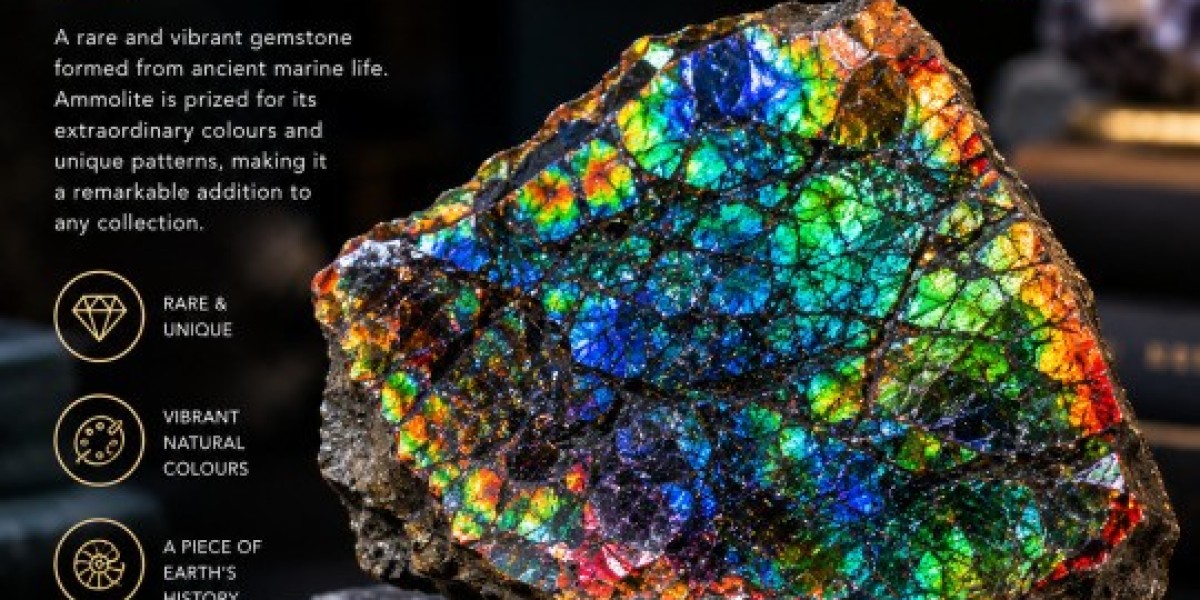

Natural crystals are appreciated for their mineral formations, colours and individual patterns. Beyond collecting them, many people enjoy displaying gemstones as part of their home décor, office arrangement or retail presentation. A thoughtfully organised display can make a space feel more personal while allowing each specimen to be appreciated properly.
However, displaying crystals involves more than placing attractive stones on a shelf. Buyers should consider the size of the space, lighting conditions, stability of the specimens and the care requirements of each mineral. For people in Singapore who are exploring different gemstones, a knowledgeable singapore crystal supplier can be a useful starting point for discovering suitable pieces.
Start with the Purpose of Your Crystal Display
Before selecting gemstones, decide what the display is meant to achieve. A home collection may focus on personal interest and decoration, while a retail display needs to help customers understand and compare products.
The purpose influences the types of crystals, display furniture and arrangement you should choose.
A Personal Display at Home
A home display can feature a few favourite specimens, a collection arranged by mineral type or a selection based on colour. The arrangement should fit naturally into the existing interior rather than making the room feel overcrowded.
For a compact apartment, a small shelf or display cabinet may be sufficient. Larger collections may benefit from dedicated storage with separate compartments.
A Professional Retail Display
Retailers need to balance appearance with practical shopping considerations. Customers should be able to view products clearly, understand the differences between items and access prices or product descriptions without difficulty.
A display that looks attractive but makes products difficult to examine may not serve customers well.
Select Crystals According to Colour and Form
Natural gemstones offer a wide range of colours, textures and shapes. Choosing a consistent visual direction can make a display look more organised.
Create a Soft Colour Arrangement
Rose Quartz, Amethyst and Clear Quartz can create a gentle colour palette. These materials may work well in interiors with neutral tones, light wood or simple decorative furniture.
Use Earthy Tones for a Natural Look
Tiger's Eye and other stones with brown, golden or darker tones can complement warm interiors. Their natural patterns can add visual interest without requiring an elaborate arrangement.
Highlight Distinctive Mineral Formations
Some collectors prefer raw or naturally formed specimens because they show more of the mineral's original structure. Others prefer polished stones, towers or carved pieces with a more finished appearance.
Combining different forms can create contrast, but the display should still have a clear visual balance.
Understand Lighting Before Choosing a Display Location
Lighting can influence how a gemstone looks. Natural and artificial light may reveal different colours, reflections and internal features.
However, not every crystal should be placed in direct sunlight. Some minerals may fade or change appearance after prolonged exposure to strong light.
Use Consistent Indoor Lighting
Soft indoor lighting can help viewers examine gemstones without creating excessive glare. Display cabinets may use carefully positioned lights, but heat from lighting equipment should be considered.
Avoid placing delicate specimens near hot lamps or equipment that produces significant heat.
Check Light Sensitivity
Before choosing a permanent location, check whether the mineral is sensitive to sunlight or heat. If you are unsure about a specimen, keep it away from direct sunlight until its care requirements are understood.
Choose Stable Shelves and Display Accessories
A display should be attractive and safe. Heavy specimens require sturdy surfaces, while smaller stones may need trays or individual stands to prevent them from rolling.
Use Separate Stands for Featured Pieces
A stand can help highlight a distinctive mineral specimen. It also makes it easier to view the stone from different angles.
Ensure the stand is suitable for the item's weight and shape. An unstable display can increase the risk of accidental damage.
Keep Small Gemstones Organised
Small polished stones and beads can be arranged in labelled trays or compartments. This approach is useful for collectors who want to compare different varieties.
For retailers, individual product labels can include the gemstone name, size, price and relevant product information.
Organise a Retail Crystal Display for Easier Shopping
Retail presentation should help customers make informed choices. A clear arrangement reduces confusion and allows shoppers to compare similar products.
Group Products by Category
Retailers can organise products into sections such as:
Polished natural stones.
Raw mineral specimens.
Crystal clusters and decorative pieces.
Gemstone bracelets and pendants.
Loose gemstone beads.
Specialist collector specimens.
This structure helps customers browse according to their interests.
Provide Clear Product Information
Product descriptions should explain what the item is, its approximate dimensions and any relevant characteristics. If treatments are known, disclose them accurately.
Avoid making unsupported claims about rarity, origin or guaranteed spiritual effects. Clear descriptions help build trust and support a better customer experience.
Keep the Display Easy to Maintain
Dust and handling can affect the appearance of displayed products. Retailers should establish a simple cleaning routine that suits the materials involved.
Use gentle methods and avoid applying the same cleaning product to every mineral. Some specimens may require special care.
Create a Display for Different Interior Styles
A crystal display should complement its surroundings. The same gemstone can look different depending on the furniture, background and lighting used.
Minimalist Interiors
A minimalist space often benefits from a small number of carefully selected pieces. A single mineral cluster or a few polished stones can create a focal point without overwhelming the room.
Contemporary Offices
An office display may use compact specimens and simple stands. Choose pieces that fit the professional setting and do not interfere with work surfaces or daily activities.
Creative Retail Spaces
A boutique may use different display heights, trays and lighting to create visual interest. Keep enough space between products so customers can examine individual pieces comfortably.
Buying Crystals for Display Purposes
When purchasing decorative specimens, consider more than colour. Dimensions, weight, stability and condition all affect how the item will work in a display.
A larger specimen may be visually striking but unsuitable for a narrow shelf. A polished piece may be easier to maintain than an irregular specimen with delicate points.
Ask About Product Details
Buyers should enquire about the gemstone's identification, dimensions and known treatments. For specialist minerals, request available information about the specimen and its characteristics.
Online photographs can help with initial selection, but they may not show every detail. For a higher-value purchase, ask whether additional photographs or an in-person viewing arrangement is available.
Exploring Natural Gemstone Selections in Singapore
East Ocean Crystals Pte Ltd is a Singapore-based natural crystals and gemstones wholesaler offering semi-precious stones, crystal jewellery, beads, bracelets, pendants and specialist specimens such as Moldavite, Ammolite and Meteorite.
Home decorators, collectors and retailers looking for a natural crystal supplier Singapore can explore the company's product categories and enquire about specific pieces. Those comparing a crystal wholesaler Singapore option should confirm product availability, dimensions and purchasing conditions directly.
Frequently Asked Questions
How Many Crystals Should I Put on One Shelf?
There is no fixed number. Consider the shelf's size, the weight of the specimens and how much space each item needs to be viewed properly.
Can All Crystals Be Displayed in Sunlight?
No. Some minerals may be affected by prolonged exposure to sunlight. Check the care requirements of each specimen before choosing its location.
How Should I Display Small Polished Stones?
Use trays, compartments or stable display containers. This prevents the stones from rolling and makes them easier to organise.
What Is the Best Way to Label Crystal Products?
Include the gemstone name and relevant details such as dimensions, price and known treatments. Avoid unsupported claims about origin or benefits.
Are Natural Crystals Suitable for Office Décor?
They can be used as decorative objects if the size, stability and appearance suit the workspace.
Make Every Display More Thoughtful
A good crystal display combines product knowledge, visual balance and practical care. Whether you are arranging a small personal collection or planning a retail presentation, the right selection and layout can help each gemstone stand out without making the space feel cluttered.
For natural gemstones, crystal jewellery and mineral specimens in Singapore, explore East Ocean Crystals. If you are searching for a singapore crystal supplier or a wholesale crystal supplier Singapore for your collection or retail space, visit EOCEAN and contact the team to enquire about available products and purchasing arrangements.