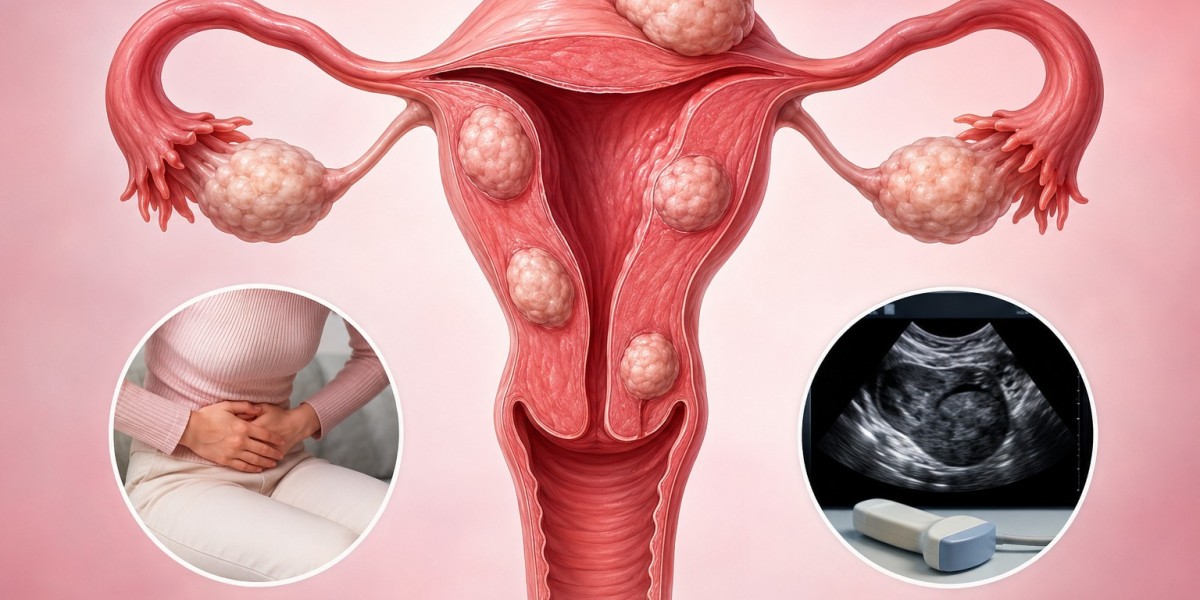

Cervical cancer is one of the important women's health concerns worldwide, yet many cases can be prevented through vaccination and appropriate screening. Understanding the role of human papillomavirus (HPV), recognising warning signs and attending recommended health checks can help women take an active role in protecting their reproductive health. Women researching the best gynaecologist in north goa should also understand why preventive cervical healthcare deserves attention even when no symptoms are present.
Cervical cancer often develops gradually, beginning with changes in the cells of the cervix. These changes may take several years to progress, creating opportunities for screening and early intervention.
What Is Cervical Cancer?
The cervix is the lower, narrow portion of the uterus that connects it to the vagina.
Cervical cancer develops when abnormal cells in the cervical tissue begin growing uncontrollably.
Persistent infection with certain high-risk types of HPV is responsible for the vast majority of cervical cancer cases.
HPV is a common group of viruses transmitted primarily through intimate skin-to-skin sexual contact. Many HPV infections resolve naturally without causing health problems.
However, persistent infection with high-risk HPV types can lead to precancerous changes that may eventually develop into cervical cancer.
Understanding the Connection Between HPV and Cervical Cancer
HPV includes several virus types, some of which can cause genital warts while others are associated with cancer.
High-risk HPV types, particularly HPV 16 and HPV 18, are strongly associated with cervical cancer.
In most women, the immune system clears HPV naturally. However, when a high-risk infection persists, it may gradually cause changes in cervical cells.
Other factors, including smoking, immune suppression and lack of screening, may influence the risk of cervical disease progression.
Having an HPV infection does not mean a woman has cervical cancer. Appropriate testing helps determine whether further evaluation is necessary.
Common Warning Signs of Cervical Cancer
Early cervical cancer may not cause noticeable symptoms. This is why screening is important even for women who feel completely healthy.
As the condition progresses, symptoms may include:
Bleeding after sexual intercourse.
Bleeding between menstrual periods.
Unusual vaginal discharge.
Pelvic discomfort.
Pain during intercourse.
Vaginal bleeding after menopause.
These symptoms can also occur because of several non-cancerous conditions. Nevertheless, persistent or unexplained symptoms should be medically evaluated.
Cervical Cancer Screening: Why It Matters
Screening helps identify high-risk HPV infections or abnormal cervical cells before cancer develops.
Two commonly used screening approaches are:
1. Pap Smear Test
A Pap smear involves collecting cells from the cervix for examination.
The test can identify abnormal cellular changes that may require monitoring or further investigation.
An abnormal Pap smear does not automatically mean cancer is present.
2. HPV Testing
HPV testing detects high-risk types of human papillomavirus associated with cervical cancer.
Depending on the screening guidelines being followed, HPV testing may be used alone or alongside cervical cytology.
The appropriate screening method and interval depend on age, previous results, medical history and applicable national guidelines.
Women who have received HPV vaccination should still follow recommended cervical screening schedules because vaccination does not protect against every cancer-associated HPV type.
HPV Vaccination: An Important Preventive Measure
HPV vaccination is an effective preventive strategy against several HPV types responsible for cervical and other cancers.
Vaccination is most effective when administered before exposure to HPV, which is why it is routinely recommended during early adolescence.
Catch-up vaccination may also be appropriate for some older individuals, depending on age and applicable recommendations.
The vaccine does not treat an existing HPV infection or remove abnormal cervical cells.
Women and parents should discuss vaccination schedules, eligibility and individual suitability with a healthcare professional.
Can Cervical Cancer Be Prevented?
Although no preventive measure offers complete protection, several strategies can significantly reduce cervical cancer risk.
Complete HPV vaccination: Follow the recommended vaccination schedule.
Attend cervical screening: Do not wait for symptoms before considering recommended screening.
Avoid smoking: Tobacco exposure is associated with an increased risk of cervical precancerous changes and cancer.
Practise safer sex: Correct condom use can reduce HPV transmission risk, although it cannot eliminate it completely.
Follow up on abnormal reports: Recommended repeat tests, colposcopy or biopsy should not be delayed.
What Happens When a Screening Test Is Abnormal?
An abnormal screening result does not necessarily indicate cancer.
Depending on the findings, the healthcare professional may recommend repeat screening, HPV testing, colposcopy or cervical biopsy.
Colposcopy involves examining the cervix using a specialised magnifying instrument.
A biopsy may be performed when suspicious areas require further assessment.
Treatment depends on the type and severity of cellular changes. Some mild abnormalities resolve naturally, while more significant precancerous changes may require treatment.
Breaking Common Myths About Cervical Cancer
One misconception is that cervical screening is unnecessary when there are no symptoms. In reality, screening is specifically designed to identify problems before symptoms develop.
Another misconception is that HPV infection always leads to cancer. Most infections clear naturally and never cause serious disease.
Some women also believe that HPV vaccination eliminates the need for screening. This is incorrect because vaccination does not cover every high-risk HPV type.
Accurate medical information helps women avoid unnecessary fear and make responsible healthcare decisions.
Accessing Preventive Gynaecological Care in Goa
Preventive healthcare should be accessible and discussed without embarrassment.
Women looking for the best gynaecologist in south goa may consider professionals who provide appropriate reproductive health guidance and explain cervical screening options.
Similarly, consulting a gynecologist in miramar may be convenient for women living around Panaji and nearby areas.
Women should select healthcare professionals based on suitable qualifications, medical guidance and access to appropriate screening and diagnostic services.
Conclusion
Cervical cancer prevention depends on awareness, vaccination, appropriate screening and timely follow-up.
Women should not wait for unusual bleeding or pelvic discomfort before paying attention to cervical health. Understanding HPV and following recommended preventive measures can help identify problems early and reduce the risk of advanced disease.
Making cervical screening a routine part of preventive healthcare is an important step towards protecting women's long-term health.