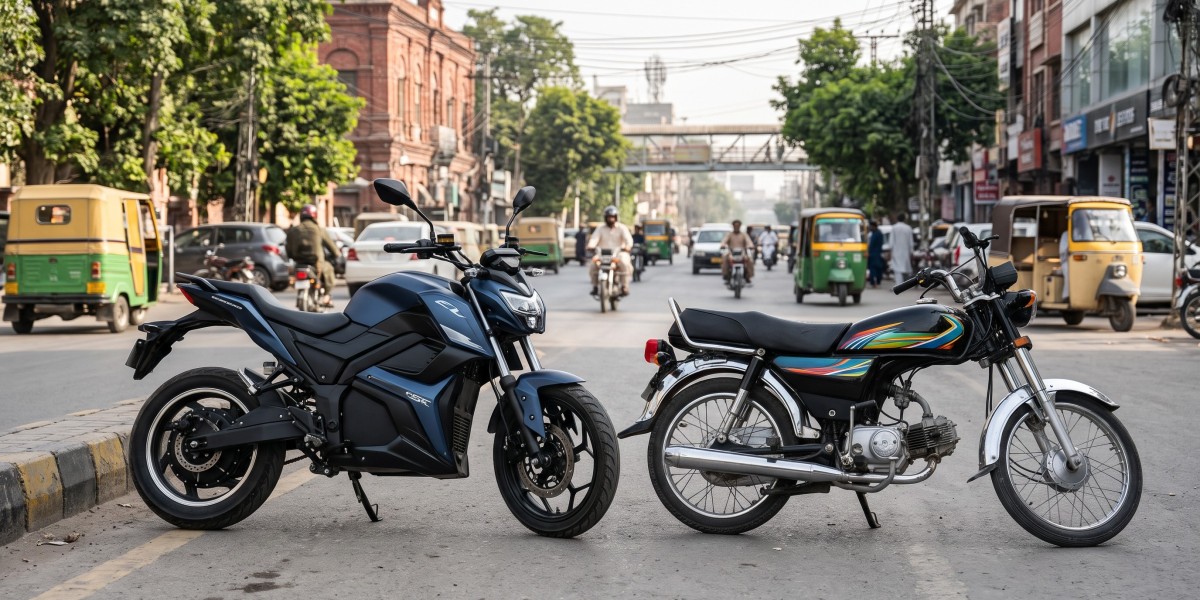

Choosing between an electric bike and a petrol bike is becoming an important decision for daily commuters in Lahore. With changing fuel prices, traffic congestion, and increasing transportation expenses, many people are considering electric bikes as an alternative to traditional motorcycles.
Although petrol bikes are familiar and generally have a lower initial purchase price, electric bikes offer a different cost structure. They require electricity instead of petrol and generally have fewer routine engine maintenance requirements.
But which option is more economical in the long run? Let's compare their purchase prices, running expenses, maintenance requirements, and long-term value.
1. Initial Purchase Cost: Electric Bike vs Petrol Bike
The purchase price is usually the first factor people consider when buying a motorcycle. Petrol bikes are available in several affordable options, making them accessible to students, employees, and families.
Electric bikes, on the other hand, can have a higher upfront cost depending on their battery capacity, motor power, range, and features. However, their purchase price should be evaluated alongside their expected running costs.
When comparing both options, buyers should consider:
Petrol bikes: Generally offer lower entry-level prices and a well-established resale market.
Electric bikes: May require a higher initial investment but can reduce daily transportation expenses.
Battery technology: Battery type, capacity, warranty, and replacement cost can significantly affect the overall ownership expense.
Therefore, choosing the cheaper bike initially does not always mean spending less over several years.
2. Daily Running Costs: Petrol vs Electricity
Daily running expenses are where electric bikes can offer a considerable advantage. Petrol bike owners need to purchase fuel regularly, while electric bike owners can recharge their vehicles using electricity.
For commuters travelling considerable distances every day, this difference can add up over time.
Petrol prices in Pakistan change periodically. For example, petrol was reported at Rs. 332 per litre effective November 13, 2026. Electricity costs, meanwhile, depend on the consumer's applicable tariff, taxes, and other bill adjustments.
To understand the difference, consider an illustrative calculation:
| Expense | Petrol Bike | Electric Bike |
|---|---|---|
| Distance | 100 km | 100 km |
| Average consumption | 40 km/litre | 1.8 kWh |
| Energy price | Rs. 332/litre | Rs. 45/kWh |
| Running cost | Rs. 830 | Rs. 81 |
These figures are illustrative, not guaranteed performance figures for every bike. The electric consumption assumption is based on an approximate energy-use example, while Rs. 45 per electricity unit is used only for comparison.
The calculation shows why electricity-powered transportation can be considerably cheaper for regular commuting.
3. Monthly Transportation Expenses in Lahore
Lahore residents frequently travel between residential areas, workplaces, educational institutions, and commercial markets. Whether someone commutes from Johar Town to Gulberg or travels between nearby neighbourhoods, daily transportation expenses can become a significant part of their monthly budget.
Consider a commuter travelling 30 kilometres per day for 26 days a month.
That equals 780 kilometres monthly.
Using the same assumptions:
Petrol bike:
Monthly distance: 780 km
Fuel efficiency: 40 km per litre
Petrol required: 19.5 litres
Petrol price: Rs. 332 per litre
Monthly fuel expense: Rs. 6,474
Electric bike:
Monthly distance: 780 km
Electricity consumption: 1.8 kWh per 100 km
Electricity required: 14.04 units
Assumed electricity price: Rs. 45 per unit
Monthly charging expense: Approximately Rs. 632
This example demonstrates the potential difference in monthly running expenses. Actual costs will depend on riding habits, traffic conditions, battery performance, charging efficiency, and electricity tariffs.
For people considering an electric bike in lahore, exploring available options and comparing their specifications can help identify a suitable vehicle for everyday commuting.
4. Maintenance Costs: Which Bike Is More Economical?
Maintenance is another important part of motorcycle ownership. Both electric and petrol bikes require regular care, but their mechanical systems are different.
Petrol motorcycles have engines and several components that require periodic servicing. These include:
Engine oil replacement
Air filter cleaning or replacement
Spark plug maintenance
Carburettor or fuel-system servicing, where applicable
Clutch and transmission maintenance
Chain adjustment and lubrication
Electric bikes generally have fewer moving drivetrain components. They do not require engine oil changes, spark plug replacements, or conventional engine servicing.
However, electric bikes still need attention to tyres, brakes, suspension, electrical connections, and battery health.
Battery replacement is particularly important when calculating long-term ownership costs. Buyers should check the manufacturer's battery warranty, expected lifespan, and replacement price before making a purchase.
5. Battery Life and Long-Term Ownership Expenses
An electric bike's battery is one of its most valuable components. Its condition directly affects the vehicle's range, charging performance, and overall usability.
Battery lifespan depends on several factors, including battery chemistry, charging practices, operating temperatures, and usage patterns.
Before purchasing an electric bike, buyers should consider:
Battery chemistry and capacity
Manufacturer warranty coverage
Expected charging cycles
Availability of replacement batteries
Battery replacement cost
Availability of authorised service support
Petrol bikes do not have a traction battery that needs periodic replacement, but they continue to incur fuel and engine-related servicing expenses.
A fair comparison should therefore include both routine maintenance and major component replacement over the expected ownership period.
6. Which Bike Is Better for Lahore's Traffic Conditions?
Traffic conditions also influence the overall experience of owning a motorcycle in Lahore.
Petrol bikes provide the convenience of quick refuelling and are supported by an extensive network of petrol stations and mechanics. They can also be more suitable for riders who frequently travel longer distances.
Electric bikes offer quieter operation and convenient home charging, provided the rider has suitable charging access. They can be particularly practical for predictable daily commutes within the city.
However, buyers should consider the following factors:
Daily travel distance
Available charging facilities
Battery range under real-world conditions
Access to repair and maintenance services
Availability of charging and replacement batteries
Choosing the right option depends on how frequently and how far you travel.
7. Electric Bike vs Petrol Bike: Which Offers Better Value?
Both options have advantages, and the right choice depends on individual transportation requirements.
A petrol bike may be suitable for buyers prioritising a lower initial purchase price, quick refuelling, and established repair facilities.
An electric bike may offer better running-cost value for commuters who travel regularly, have access to convenient charging, and want to reduce their dependence on petrol.
The most effective way to make a decision is to calculate the total cost of ownership rather than comparing purchase prices alone.
Consider the purchase price, monthly energy expenses, maintenance, battery replacement, warranty, and expected resale value before choosing.
Conclusion
The cost comparison between electric bikes and petrol bikes in Lahore shows that the initial purchase price is only one part of the ownership equation. Petrol bikes offer familiar technology and convenient refuelling, while electric bikes can provide substantial savings on daily running expenses.
For regular city commuters, the lower cost of electricity can make an electric bike an economical transportation option. However, battery replacement, charging access, and the vehicle's actual range should also be considered.
By evaluating these factors carefully, buyers can choose a motorcycle that fits their commuting needs and long-term budget.