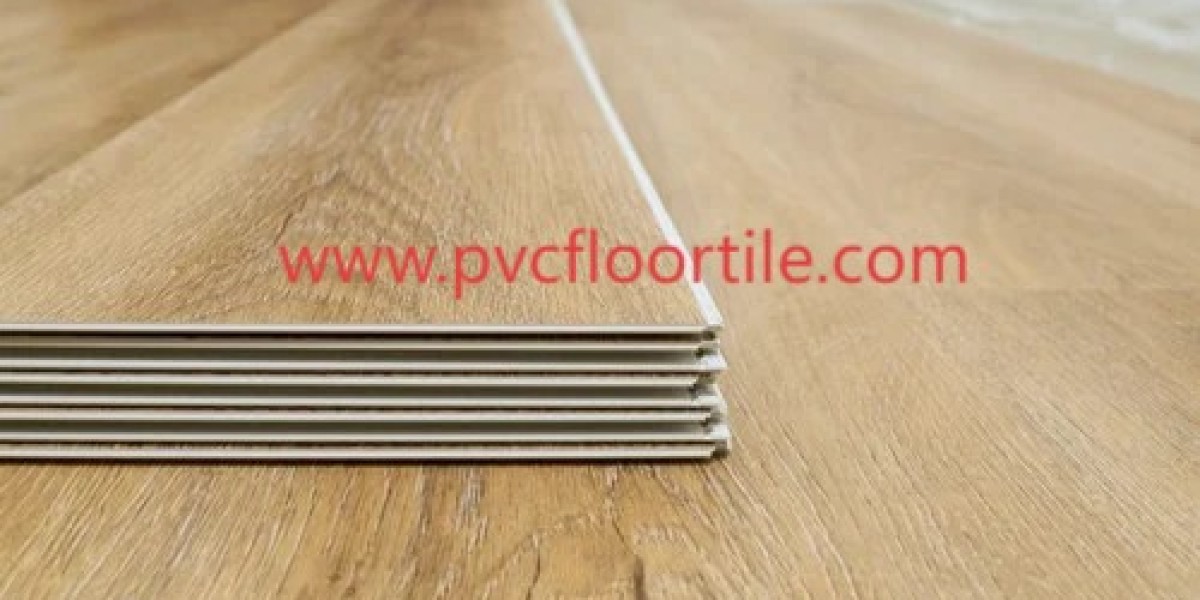

Vinyl Flooring selection involves several decisions that can influence the appearance, installation process, and maintenance of an interior space. For importers, wholesalers, distributors, and construction buyers, comparing products requires attention to more than color and price. Material structure, plank dimensions, surface finish, connection design, and intended application should all be reviewed before an order is confirmed. A structured selection process also helps buyers communicate their expectations clearly to manufacturers.
Compare Different Product Constructions
Not every product in this category uses the same construction. Buyers may encounter rigid-core planks, flexible tiles, luxury decorative surfaces, and sheet materials. Each format has different characteristics and installation considerations.
For example, SPC products generally use a rigid core, while flexible LVT products have a different structure and may be available in glue-down or other installation formats. Sheet materials are supplied in rolls and may be considered for applications requiring broad surface coverage.
Before comparing prices, buyers should identify the product format required for their project. Ask the manufacturer for a layer diagram and technical specification sheet. Review the core composition, decorative layer, protective surface, stabilizing components, and backing.
A clear understanding of construction makes it easier to compare quotations that may otherwise appear similar but describe different products.
Match Dimensions With the Room Layout
Plank and tile dimensions influence the visual arrangement of a finished space. Wider planks can create a different interior effect from narrow formats, while tile dimensions may influence the appearance of stone-inspired designs.
Buyers should consider the room size, furniture arrangement, doorway positions, and installation direction before selecting dimensions. Large commercial spaces may require a different layout plan from small residential rooms.
It is also important to confirm the actual product dimensions rather than relying on general catalogue descriptions. Ask for the length, width, thickness, dimensional tolerance, and quantity per carton.
For projects involving several rooms, prepare a measurement sheet that identifies the required area for each location. Include additional material for cutting, installation adjustments, and future replacement. The required allowance should be determined according to the room layout and installer recommendations.
Evaluate Decorative Designs Under Real Lighting
A decorative pattern can look different under showroom lighting, natural daylight, and indoor lighting. Digital images are useful for initial selection, but they should not replace physical sample evaluation.
Wood-inspired designs may vary in grain direction, shade, and pattern repetition. Stone-inspired designs can differ in vein distribution, background tone, and surface texture. Buyers should compare these details with the interior materials already selected for the project.
Request samples of the specific product codes being considered. Place them beside wall finishes, furniture samples, and other materials where possible. Review the appearance at different angles and under the expected lighting conditions.
For multi-room developments, record the approved color reference and design code. This helps purchasing teams communicate the same visual requirements when placing orders for different areas.
Check Surface Specifications for Daily Use
The surface construction should be considered in relation to the intended environment. Buyers should review the protective layer, coating type, texture, and relevant test information rather than relying on general descriptions.
The wear layer is one specification worth checking, but its thickness should not be evaluated in isolation. The complete construction, surface treatment, product category, and applicable test results also matter when comparing different models.
Ask the manufacturer to clarify the measurement unit and provide documentation for the selected specification. If a project involves regular cleaning, rolling furniture, or frequent foot traffic, explain those conditions before requesting a product recommendation.
This allows the discussion to focus on actual usage requirements instead of selecting a product based on a single number.
Confirm Installation Conditions Before Purchasing
The installation system can affect labor requirements and preparation work. Common methods include click-lock connections and adhesive installation, depending on the product format.
Buyers should confirm the required substrate condition, installation tools, adhesive compatibility where applicable, and any recommended underlayment. Ask for written installation instructions before placing a large order.
Subfloor flatness, cleanliness, moisture conditions, and room temperature can influence installation planning. These conditions should be checked by the project team according to the manufacturer's instructions.
Accessories also need attention. Transition profiles, skirting, stair components, and other finishing materials may be required to complete the project. Confirm their dimensions, colors, and availability together with the main product.
Review Batch Consistency and Future Supply
For distributors and project contractors, product consistency can matter beyond the initial shipment. A project may require additional material after installation, or a distributor may need to reorder the same design for another customer.
Ask how product codes and color references are recorded during production. Confirm whether future orders can be checked against the original specifications and whether additional stock arrangements are available.
Packaging information should also be reviewed. Check the quantity per carton, coverage area, carton weight, labeling details, and pallet arrangement. These figures help buyers estimate storage space, shipping volume, and distribution requirements.
If the order includes private-label packaging, approve the artwork and product information before printing. Written confirmation can help avoid differences between the approved design and the finished cartons.For buyers planning residential developments, retail projects, or wholesale distribution, pvcfloortile can discuss product dimensions, decorative designs, construction details, and sample arrangements according to the intended application. Visit https://www.pvcfloortile.com/product/ to review available product information and contact the company about specifications, packaging, and purchasing requirements for your market.