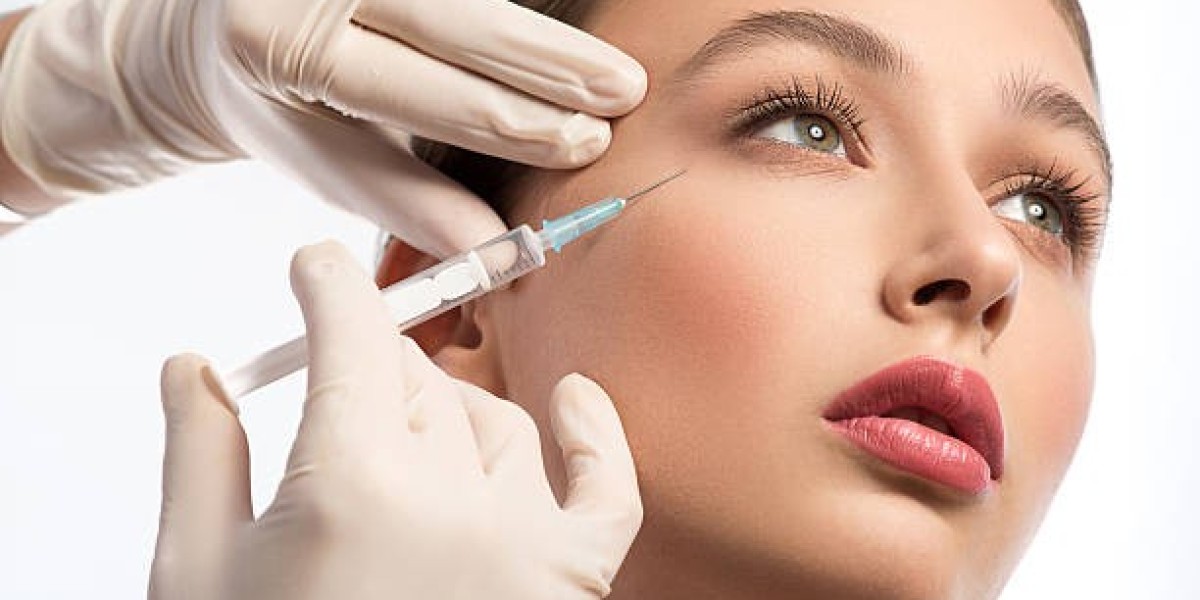

Facial harmony is influenced by how different features relate to one another, including the forehead, eyebrows, eyes, cheeks, and lower face. While natural bone structure and facial proportions play an important role, muscle activity can also affect how smoothly these areas appear to connect. Repeated expressions such as frowning, smiling, and raising the eyebrows may gradually create lines that make certain areas look more prominent. Botox Injections in Riyadh may help soften selected expression-related wrinkles, supporting a smoother and more relaxed overall facial appearance.
As the skin ages, its elasticity and ability to recover from repeated movements may gradually decrease. This can make forehead creases, frown lines, and wrinkles around the eyes more noticeable. When these lines become prominent, they may affect the overall impression of facial balance. Botox Injections in Riyadh work by temporarily relaxing specific facial muscles responsible for dynamic wrinkles, helping soften the transitions between areas without changing the underlying facial structure.
How Botox Supports a More Balanced Facial Appearance
Botox is a purified form of botulinum toxin that temporarily reduces communication between nerves and targeted muscles. When the selected muscles become less active, repeated skin folding may decrease, allowing certain expression lines to appear smoother. This can create a more relaxed appearance in areas where strong muscle activity contributes to visible wrinkles.
The treatment is commonly used for dynamic wrinkles that become more noticeable during facial movements. By addressing selected areas, a practitioner may help create a more consistent appearance between the forehead, eyebrows, and outer eye region. However, Botox does not reshape facial bones, change natural proportions, or correct every type of facial imbalance. Its effects are limited to the muscles that are appropriately treated.
Facial Areas Where Botox May Improve Visual Continuity
Forehead and Eyebrow Area
The forehead and eyebrows work together during everyday expressions. Repeated eyebrow raising can create horizontal forehead lines, while excessive muscle activity between the eyebrows may produce a tense appearance. Carefully planned Botox treatment may soften these wrinkles and help the upper face look more relaxed. Treatment must preserve the muscles needed to maintain natural eyebrow position.
Between the Eyebrows
Frown lines can create a noticeable separation between the relaxed appearance of the forehead and the eye area. These vertical creases often become more prominent through repeated concentration or frowning. Botox may reduce the activity of the muscles responsible for these lines, helping create a softer transition between the eyebrows and forehead.
Outer Corners of the Eyes
Crow's feet develop around the outer corners of the eyes, especially during smiling and squinting. When these wrinkles become prominent, they can influence the overall appearance of the upper face. Botox may temporarily soften selected lines while preserving natural eye movement when administered appropriately.
Chin and Lower Facial Area
Some individuals experience excessive chin muscle activity that creates a dimpled or uneven surface. In selected cases, Botox may relax the relevant muscles and soften the appearance of the chin. This can contribute to a more harmonious lower-face appearance, although the suitability of treatment depends on individual anatomy and muscle function.
Why Personalized Treatment Planning Matters
Creating a smoother visual transition between facial features requires understanding how different muscles work together. Treating one area without considering surrounding muscles may affect eyebrow position, facial expression, or natural movement. For this reason, an experienced practitioner should assess the entire facial movement pattern rather than focusing only on individual wrinkles.
During consultation, the practitioner may examine facial symmetry, muscle strength, skin condition, and the patient's aesthetic concerns. They can then identify whether Botox is suitable or whether another approach may be more appropriate. The objective should be to soften selected concerns while preserving the natural characteristics that make each face unique.
What to Expect During a Botox Treatment Session
A Botox appointment usually begins with a discussion of medical history, previous aesthetic procedures, medications, allergies, and desired outcomes. The practitioner examines the relevant facial areas and may ask the patient to make expressions such as smiling, frowning, or raising the eyebrows to observe muscle activity.
If treatment is appropriate, the selected areas are cleaned before small amounts of Botox are injected using a fine needle. The procedure generally takes a short time, depending on the number of treatment areas. Most people can return to their regular activities shortly afterward, while following the practitioner's aftercare instructions.
Results, Duration, and Important Safety Considerations
Botox results develop gradually. Initial changes may appear within several days, while the full effect commonly becomes noticeable around 10 to 14 days after treatment. Results often last approximately three to four months, although individual experiences vary depending on muscle activity, treatment area, and dosage.
Temporary side effects can include redness, swelling, tenderness, bruising, or headache. Less common complications may include eyelid or eyebrow drooping, unwanted muscle weakness, or facial asymmetry. Patients should discuss their medical history, medications, allergies, pregnancy or breastfeeding status, and relevant health conditions before treatment. Botox should be administered by a suitably qualified professional with appropriate knowledge of facial anatomy.
Botox Injections in Riyadh may be an option for individuals who want to soften expression lines and achieve a more relaxed appearance across selected facial areas. A realistic treatment plan focuses on individual needs rather than promising identical results or perfect facial symmetry.
Book a Consultation at Royal Clinic Saudi
If you are interested in improving the appearance of expression lines and creating a smoother overall facial look, arrange a consultation at Royal Clinic Saudi. A practitioner can assess your facial movements, discuss suitable treatment areas, and explain the potential benefits and risks according to your goals.
FAQs:
1. Can Botox create a smoother appearance between facial features?
It may soften selected expression lines, helping create a more relaxed and visually balanced appearance.
2. Which facial areas are commonly treated with Botox?
Common areas include the forehead, frown lines between the eyebrows, and crow's feet around the eyes.
3. Does Botox change natural facial proportions?
No. Botox temporarily relaxes selected muscles but does not change bone structure or permanently reshape facial features.
4. How long do Botox results usually last?
Results commonly last around three to four months, although the duration varies between individuals.