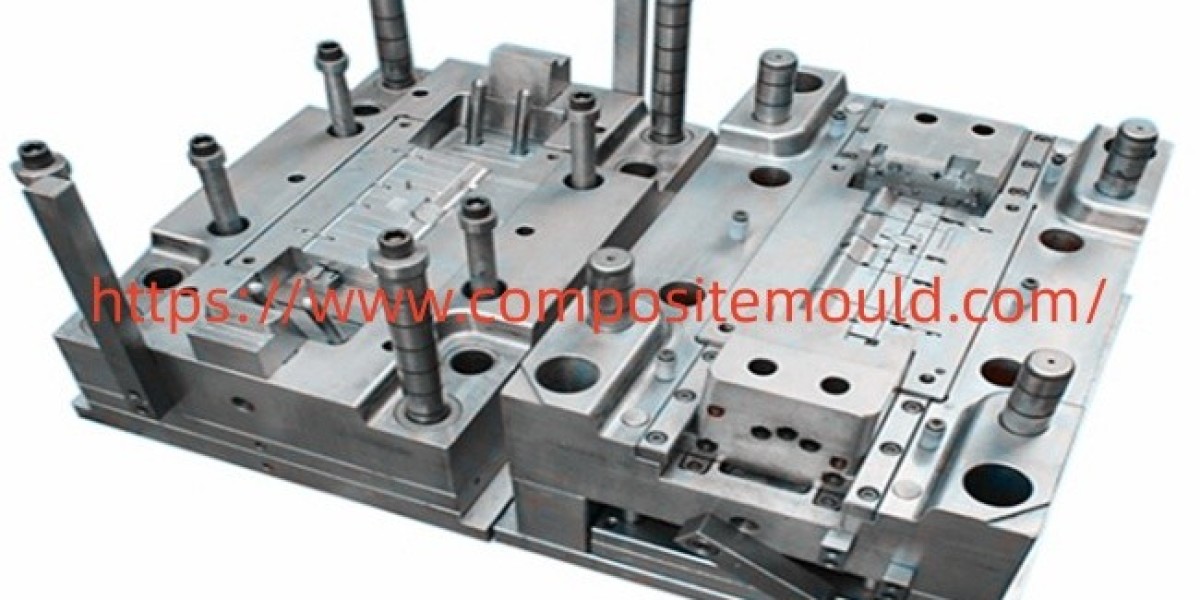

SMC Mould selection is an important part of developing composite components for automotive, electrical, transportation, and industrial applications. For overseas buyers, choosing suitable tooling involves more than comparing quotations. Design structure, steel materials, heating arrangements, machining accuracy, and production requirements all deserve attention. As a manufacturer, compositemould focuses on understanding customer drawings and application requirements to develop tooling solutions that match different manufacturing projects.
Start With Product Drawings and Design Requirements
Before discussing tooling production, buyers should prepare detailed product information. Two-dimensional drawings, three-dimensional models, dimensions, wall thickness, and tolerance requirements provide an important foundation for engineering evaluation.
Product geometry can influence cavity design, parting line positions, draft angles, and material distribution. Components with deep ribs, mounting structures, or complicated curved surfaces may require additional design consideration.
Buyers should also explain the intended application and expected production quantity. Automotive panels, electrical enclosures, industrial covers, and structural composite parts can have different dimensional and appearance requirements.
A detailed design review allows engineers to identify potential manufacturing difficulties before machining begins. It also helps both parties discuss structural adjustments that may improve production convenience and reduce unnecessary modifications during later development stages.
Check Steel Materials and Manufacturing Requirements
The material used for tooling has a direct relationship with machining performance, surface finishing, dimensional stability, and maintenance requirements.
Different projects may require different steel grades depending on production volume, component dimensions, working temperature, and expected service conditions.
When evaluating a supplier, buyers can ask about:
Available steel grades and material specifications
Hardness requirements and heat treatment arrangements
Machining and polishing capabilities
Surface treatment options
Material inspection and traceability
For projects involving glass-fiber-reinforced compounds, the tooling material should be selected according to the expected mechanical and thermal conditions. Buyers should avoid making decisions based only on general descriptions such as standard steel.
Instead, request specific material information and discuss whether the proposed selection matches the expected production schedule and maintenance plan.
Evaluate the Heating System and Temperature Distribution
Temperature management is an important consideration in compression molding. The heating arrangement influences how the compound cures inside the cavity and can affect the dimensional consistency of finished components.
Buyers should review the proposed heating method, heating element arrangement, temperature measurement positions, and temperature control requirements.
For large components, temperature distribution deserves particular attention because different areas of the tooling may experience different thermal conditions.
It is also useful to discuss how temperature monitoring will be performed during trial production. Engineers can evaluate the heating arrangement and make adjustments according to actual processing conditions.
Providing information about the intended molding material and production equipment can help the manufacturer prepare a more appropriate heating design. This discussion should take place before the final engineering drawings are approved.
Review Venting and Demolding Structures
Air evacuation and part removal are two technical details that should not be overlooked during tooling evaluation.
When composite material fills the cavity under pressure, trapped air may contribute to surface irregularities, voids, or incomplete filling. The venting arrangement should therefore be considered together with the product geometry and expected material flow.
Buyers can ask how the engineering team identifies potential air-trap locations and plans the corresponding vent structures.
The demolding system also deserves attention. Ejector arrangements, draft angles, surface conditions, and component geometry can influence how easily a finished part is released after curing.
For products with deep sections or complicated shapes, these details should be reviewed carefully during the design stage. Early communication can help reduce adjustments after the tooling enters the trial process.
Examine Machining Accuracy and Surface Finishing
Machining accuracy is closely connected with the dimensional requirements of the final component. Buyers should understand what inspection methods are used to verify cavity dimensions, positioning features, and other critical surfaces.
CNC machining, electrical discharge machining, grinding, and polishing may be involved depending on the tooling structure and surface requirements.
Appearance specifications should also be clearly defined. Some customers require smooth visible surfaces, while others may need particular textures or finishing conditions for subsequent painting and assembly.
Providing approved samples, drawings, or surface references can help avoid misunderstandings between the customer and manufacturer.
Before confirming an order, buyers should ask which dimensions will be inspected and how the inspection results will be documented.
Ask About Trial Production and Quality Inspection
A tooling project should include a clear plan for trial production and acceptance. A trial provides an opportunity to evaluate how the design performs under actual processing conditions.
During this stage, buyers can review component dimensions, surface appearance, material filling, flash conditions, and demolding performance.
It is also important to establish acceptance criteria before manufacturing begins. These may include dimensional tolerances, appearance requirements, production samples, and any special functional tests.
Manufacturers should communicate the trial schedule and explain how potential issues will be recorded and addressed. This gives customers a clearer understanding of the development process before approving the final tooling.
Compare Manufacturing Capabilities and Project Services
A suitable supplier should be evaluated through its engineering communication, manufacturing equipment, production management, and inspection arrangements.
Buyers can ask whether the manufacturer handles design review, machining, assembly, polishing, and trial coordination within its production workflow.
Customization is another important consideration. Different projects may require particular cavity configurations, special inserts, heating arrangements, or structural modifications.
At compositemould, discussions about product drawings, technical specifications, and manufacturing requirements help establish a clearer understanding of each project before production starts.
Buyers should also confirm quotation details, manufacturing schedules, packaging arrangements, and technical support after delivery. These factors can influence project coordination, particularly for overseas customers managing production at different locations.For businesses developing automotive components, electrical enclosures, transportation parts, and other composite products, careful tooling evaluation can support more organized manufacturing preparation. If you are planning a new project or looking for customized production solutions, visit https://www.compositemould.com/product/ to review available products and discuss your drawings, technical requirements, and tooling plans with the compositemould manufacturing team.